
24/7 Customer Support

Free returns

Same-day & Next-day Delivery

Quality Guaranteed

Unlock Your Welcome Offers: FREE Delivery | Up to 80% OFF | Free 30-day JoyPlus trial
Download the APP
Choosing non-alcoholic and soft drinks can seem straightforward until you compare sugar levels, alcohol percentages, serving sizes and multipack value. A colourful label does not always tell you whether a drink suits a family gathering, a sober-curious lifestyle or a busy household fridge.
This guide covers the main buying pitfalls, the product details worth checking and a selection of drinks for different UK shopping needs, including alcohol-free drinks, fizzy soft drinks, Caribbean soft drinks, sparkling options and party multipacks.
Terms such as alcohol-free, no alcohol and dealcoholised do not necessarily describe the same ABV. Some products contain 0.0% alcohol, while others may contain a small amount, such as below 0.5% ABV. If you are avoiding alcohol for personal, religious, pregnancy-related or driving reasons, check the product label rather than relying on the front-of-pack wording.
For example, some alcohol-free sparkling wine products are made from dealcoholised wine and may state less than 0.5% ABV. That is different from a drink labelled 0.0%.
Sugar-free soft drinks may use sweeteners such as sucralose, acesulfame K or aspartame. They can contain little or no sugar, but the taste and ingredient profile will differ from full-sugar drinks. Conversely, a fruit-flavoured drink may contain fruit juice while still providing considerable sugar per 100ml.
Compare the nutrition panel per 100ml and per serving, especially when buying large bottles or cans. A 600ml bottle can represent several servings, so the total amount consumed may be higher than the label impression suggests.
A large drink multipack can offer convenience for parties, offices and family use, but it may be poor value if you have limited storage or prefer variety. Single bottles and small cans are more practical for lunches, picnics and trial purchases. Before ordering, check the number of units, volume per unit and total volume rather than comparing pack prices alone.
For zero alcohol drinks, look for a clearly stated ABV and alcohol-unit declaration. A 0.0% spirit or ready-to-drink can may be suitable when you want a familiar social ritual without alcohol. Dealcoholised sparkling drinks can work well for toasts, but check whether they contain sulphites and whether the stated ABV matches your requirements.
Some alcohol-free spirits are designed to be mixed with tonic, soda or fruit garnishes. They are not necessarily ready-to-drink, so factor in the cost of mixers and serving ingredients.
For everyday refreshment, compare:
For example, Tango Cherry Sugar Free lists 0g sugars per 100ml, while BIGGA Grape provides a sweeter profile with 9.6g sugars per 100ml. Neither is automatically right for every shopper; the choice depends on taste, dietary priorities and serving occasion.
Cans chill quickly and are convenient for individual servings, while 600ml bottles can suit picnics, meals and sharing. Sparkling drinks should generally be stored away from heat and direct sunlight. Once opened, reseal larger bottles and refrigerate them where the packaging recommends it to help preserve carbonation.
Flavour also affects food pairing. Citrus drinks can complement light meals, grape and tropical flavours suit Caribbean-inspired dishes, and alcohol-free sparkling wine is often chosen for appetisers or celebrations.
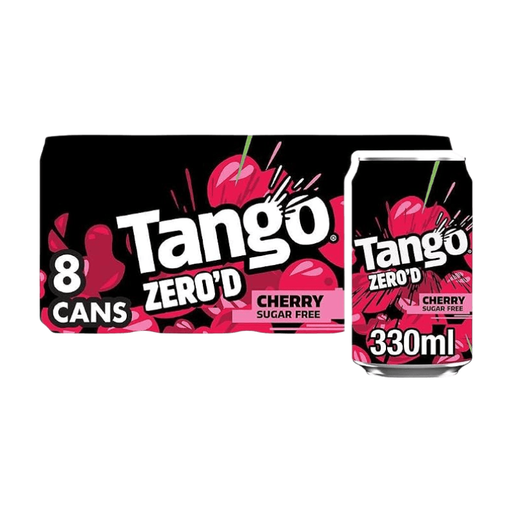
Why This Fits Their Persona: Eight 330ml cans provide a manageable way to try sugar-free fizzy soft drinks without committing to a larger case. They are suitable for fridge storage, casual gatherings and individual servings.
The pack size reduces the risk of overbuying, while the label states 0g sugars per 100ml and 0.0% alcohol.
330ml cans; sugar-free recipe; listed as suitable for vegetarians and vegans.
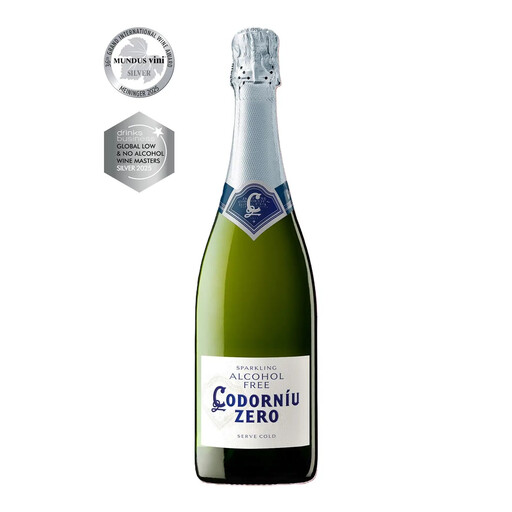
Why This Fits Their Persona: A bottle format with fine bubbles suits formal meals, celebrations and occasions where presentation matters, while the stated ABV is 0.0%.
The product information identifies the drink as non-alcoholic and specifies sulphites, making key label checks clearer before serving.
Made from dealcoholised wine; designed for chilled serving; suitable for adult celebration settings.
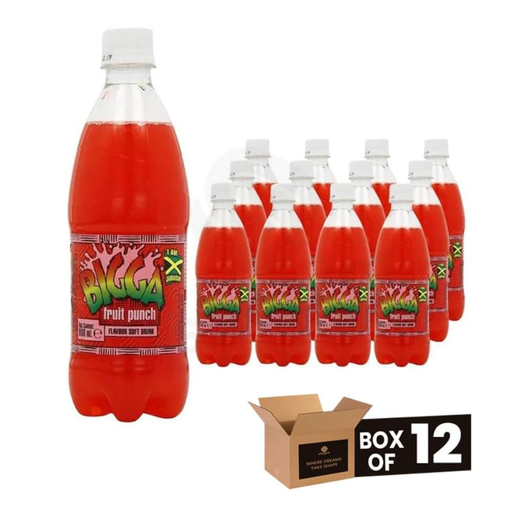
Why This Fits Their Persona: Twelve 600ml bottles are suited to BBQs, Caribbean-themed events, family gatherings, workplace fridges and party drinks where a larger supply is useful.
The stated 12-bottle quantity and 600ml unit size make total supply clear before purchase, helping hosts plan servings.
7.2 litres in total; grape and fruit-punch options are associated with Caribbean soft drinks; bottles are suitable for chilled serving.
We have compiled a complete, real-time list of products that fully satisfy these strict selection criteria and UK safety regulations.
Products labelled 0.0% ABV do not contain declared alcohol, but shoppers should always check the individual label. Some dealcoholised or alcohol-free drinks may state a small residual amount, so they may not suit every personal requirement.
A sugar-free drink may contain sweeteners and should still be served as part of a varied diet. Check the ingredients, caffeine information where relevant and any age guidance. Smaller cans can help control portion size.
Keep unopened drinks in a cool, dry place away from direct sunlight. Once opened, larger bottles should be sealed and refrigerated where the label advises. Consume promptly to retain carbonation and flavour.