Finding the right exercise mat can feel like a workout in itself. Whether you’re flowing through a vinyasa sequence, holding a plank or stretching after a run, the last thing you want is to slip or feel the hard floor beneath you. A reliable mat is the foundation of a safe and comfortable home practice, but with so many options, it's easy to feel overwhelmed.
As the Joybuy Product Recommendation Officer, my role is to help you find practical solutions that fit your needs. This guide is designed to cut through the clutter, focusing on the key features that matter when selecting a non-slip yoga mat for your home or gym sessions. We will look at what makes a great mat and explore a few options to help you make a confident choice.
What to Look for in an Exercise Mat
Before diving into specific products, let’s cover the essential features to consider. Focusing on these three areas will help you find a mat that supports your practice for years to come.
1. Thickness and Cushioning
The thickness of a mat directly impacts comfort and stability. There is no single "correct" thickness; the ideal choice depends on your primary activity and personal preference.
- Thin Mats (2-3mm): These offer less padding but provide a stronger connection to the floor. This can improve stability in balancing poses. They are also typically lighter and easier to transport, making them a good option for a portable gym floor mat.
- Standard Mats (4-5mm): This is often the sweet spot for many users. A 4mm or 5mm mat provides a good balance of cushioning for comfort and firmness for stability, making it versatile for both yoga and Pilates.
- Thick Mats (6mm+): A thick yoga mat offers substantial padding, which is excellent for protecting sensitive joints like knees and wrists. This makes it a fantastic cushioned yoga mat for restorative yoga, Pilates or any floor-based core workouts on hard surfaces.
2. Material and Grip
The material determines the mat's texture, durability and, most importantly, its grip. A slippery mat is not only frustrating but can also be unsafe.
- PVC (Polyvinyl Chloride): This is a common and durable material known for its stickiness and resilience. PVC mats often feature an embossed or textured surface that enhances grip, helping your hands and feet stay put during poses. They are also generally easy to wipe clean.
- Grip Texture: Look for mats with a visible texture or a specific non-slip coating. This is crucial for preventing slips, especially as you begin to sweat. A reliable grip gives you the confidence to hold poses longer and move more freely.
3. Size and Purpose
Most standard yoga mats are around 68 inches (173 cm) long and 24 inches (61 cm) wide. This is sufficient for most people, but if you are taller, you may want to look for a longer mat to ensure you stay on it during full-body stretches. Consider what you'll be using it for. A dedicated pilates mat might be thicker, while a general exercise mat for home should be versatile enough for various movements.
Our Top Product Recommendations
Based on the criteria of grip, comfort and versatility, here are a few recommendations to suit different needs and preferences.
For Maximum Comfort: 7MM Memory Yoga Mat
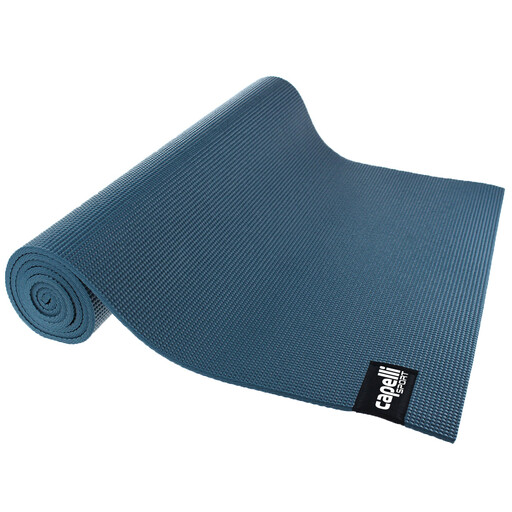
- Why It Stands Out: With a generous 7mm thickness, this mat prioritises comfort above all else. The cushioned surface helps to absorb impact and protect your joints, making it ideal for floor exercises on unforgiving surfaces like tile or wood. Its non-slip coating is designed to provide a secure grip during standard yoga and fitness routines.
- Pros:
- Excellent cushioning for sensitive knees and wrists.
- Durable PVC material is built to last.
- The non-slip surface provides confidence in poses.
- Who is it for?: This is an excellent choice for individuals who need extra joint support, those who practise restorative yoga or Pilates or anyone looking for a comfortable all-purpose exercise mat for home.
For Stability and Portability: 3MM Yoga Mat
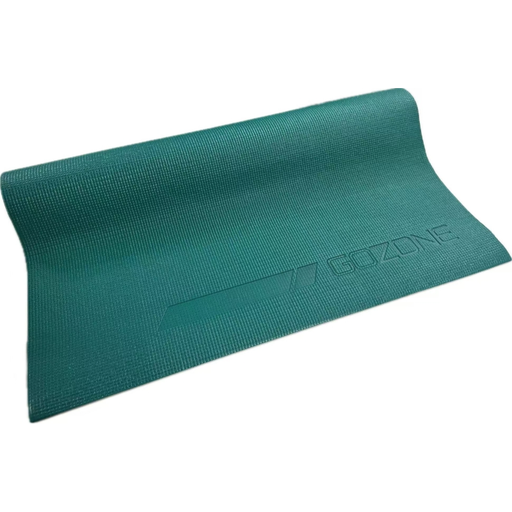
- Why It Stands Out: This 3mm mat is for the practitioner who values stability and a close connection to the ground. Its embossed surface is engineered for a reliable grip, while its slim profile makes it lightweight and easy to roll up and carry to the gym or a class.
- Pros:
- Lightweight and highly portable.
- Embossed texture enhances stability and grip.
- Durable PVC material resists tearing and is easy to clean.
- Who is it for?: Ideal for yogis who prefer a firm, grounded feel in their practice, especially for standing and balancing poses. It's also a practical, no-fuss option for those who need a mat they can easily transport.
The All-Rounder: Capelli Sport 4MM Yoga Mat
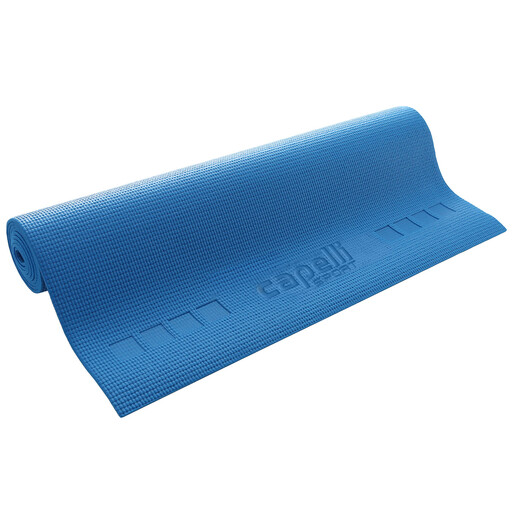
- Why It Stands Out: Striking a perfect balance, the Capelli Sport mat's 4mm thickness offers a blend of cushioning and stability. It’s comfortable enough for floor work but firm enough not to interfere with your balance. The embossed PVC surface provides dependable grip for a wide range of activities.
- Pros:
- Versatile 4mm thickness is suitable for yoga, Pilates and general fitness.
- Good balance between comfort and stability.
- Durable and easy to maintain.
- Who is it for?: This is a superb beginner yoga mat or for anyone seeking a single, reliable mat that can handle a variety of workouts without compromise. It’s a true multi-purpose solution.
Looking for More Options?
While these recommendations cover a range of common needs, your perfect mat might have a different thickness, colour or material. If you haven't found exactly what you're looking for, there are many more choices available.
Explore our complete collection of home workout exercise mat options to find the one that best supports your fitness journey.
Frequently Asked Questions
What is the best thickness for a non-slip yoga mat?
The ideal thickness depends on your primary use. For active yoga with many standing poses, 3-4mm provides good stability. For more floor-based work, such as in Pilates or core exercises, a thick yoga mat of 5-7mm offers superior cushioning and comfort for your joints.
How do I stop my yoga mat from slipping on the floor?
First, ensure you choose a mat designed with a non-slip surface, such as one made from PVC with a textured finish. It's also important to keep both the bottom of the mat and the floor clean and dry, as dust and moisture can reduce grip.
How should I clean my PVC yoga mat?
Cleaning a PVC mat is straightforward. After your practice, simply wipe it down with a damp cloth and a mild soap solution. Rinse with a clean, damp cloth to remove any soap residue and then let it air dry completely before rolling it up for storage. This prevents moisture build-up and keeps your mat fresh.


