Finding the right foundation for your yoga, Pilates or home workout routine is crucial. A slippery or uncomfortable surface can distract you from your flow and even lead to instability. With so many options on the market, choosing the right non-slip yoga mat can feel overwhelming. Are you a beginner looking for a reliable starting point, or a seasoned practitioner in need of a mat for hot yoga?
As a Joybuy Product Recommendation Officer, my role is to help you navigate these choices. This guide cuts through the marketing clutter to focus on what truly matters: material, thickness and grip. We will explore some practical considerations to help you find an exercise mat that supports your practice, protects your joints and stays put, allowing you to focus on your movement.
How to Choose Your Ideal Workout Mat
Before you decide, consider these key factors. A little knowledge can ensure the mat you choose is a long-term companion for your fitness journey.
1. Material Matters: PVC, TPE or Cork?
The material of your mat dictates its grip, durability and feel.
- PVC (Polyvinyl Chloride): This is a common and often affordable material. PVC mats are known for their durability and can provide good stickiness on a clean, dry surface. They are a practical choice for a general-purpose gym mat or for those just starting their home practice.
- TPE (Thermoplastic Elastomer): Often seen as a more modern alternative to PVC, TPE is a blend of plastic and rubber polymers. These mats are typically lighter, offer excellent cushioning and are often manufactured in a way that is more considerate of the environment. Their closed-cell structure also resists moisture.
- Cork: For those prioritising natural materials, a cork yoga mat is an excellent option. Cork is a sustainable, renewable resource that is naturally antimicrobial. A key feature is that its grip often improves with moisture, making it a popular choice for more intense, sweaty practices.
2. The Right Thickness for Comfort and Stability
The thickness of your mat affects both comfort and balance. There is no single "correct" thickness; it depends entirely on your needs.
- 3-4 mm (Standard): Thinner mats provide a stronger connection to the floor, which is ideal for stability in standing and balancing poses. They are also typically lighter and easier to transport.
- 5-6 mm (All-Rounder): This is often considered the sweet spot. A thick yoga mat in this range offers enough cushioning to protect knees and wrists during floor poses without compromising too much stability. It's a versatile choice for both yoga and a Pilates mat.
- 8 mm+ (Maximum Cushion): Extra-thick mats provide significant cushioning, which can be beneficial for restorative yoga, core work or for individuals with sensitive joints. However, the added softness can make balancing poses more challenging.
Our Top Product Recommendations
Based on our analysis of popular features and user needs, here are a few standout options that cater to different practices and preferences.
Capelli Sport 4MM PVC Yoga Mat
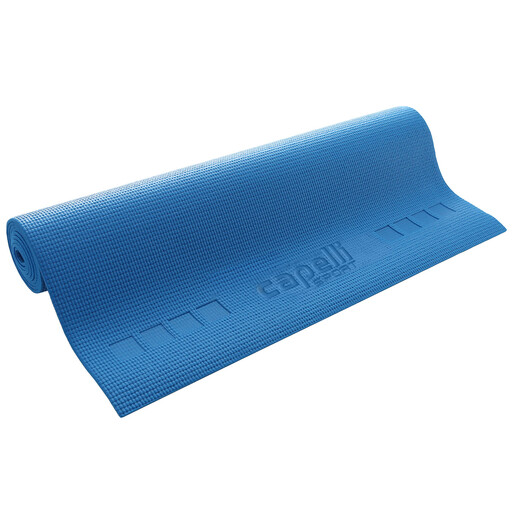
- Why It Stands Out: This mat is a dependable and accessible entry point into home fitness. Its embossed PVC surface is designed to provide reliable stability for a wide range of floor exercises, from yoga poses to ab crunches.
- Pros:
- Material: Durable PVC that resists peeling and tearing.
- Grip: Embossed surface offers non-slip stability for general use.
- Thickness:4 mm provides a good connection to the floor for balance.
- Maintenance: Simple to wipe clean with a damp cloth.
- Who is it for? Beginners or anyone seeking a straightforward and affordable workout mat for home or light gym use.
MISS LULU Unisex Non-Slip 6mm TPE Mat
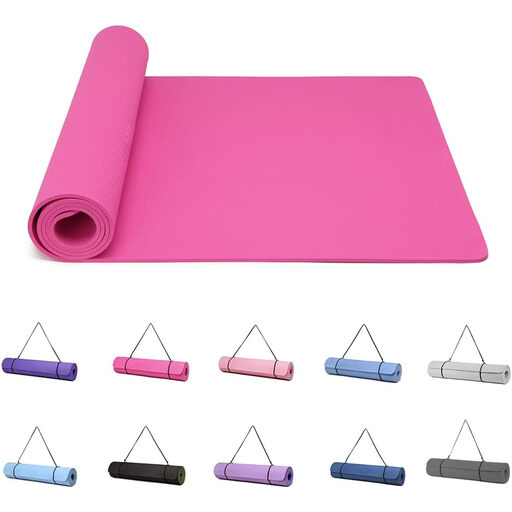
- Why It Stands Out: This mat successfully balances joint protection with a stable practice surface. Its 6 mm TPE construction offers noticeable cushioning, while the dual-textured design ensures a secure grip. The included strap makes it a great companion for trips to the studio.
- Pros:
- Material: High-quality, moisture-resistant TPE.
- Grip: Dual-sided texture with anti-slip lines and waves for traction.
- Thickness:6 mm offers excellent cushioning for joints.
- Portability: Lightweight (850g) and includes a yoga mat with strap.
- Who is it for? Yoga and Pilates practitioners who want extra cushioning without sacrificing grip and those who need a portable mat for classes.
5MM Cork and TPE Yoga Mat

- Why It Stands Out: This eco-friendly yoga mat features a natural cork surface that provides a unique, high-performance grip, especially during sweaty sessions. The TPE base ensures it stays firmly planted on the floor.
- Pros:
- Material: Natural cork top with an eco-friendly TPE bottom.
- Grip: Sweat-activated grip makes it ideal as a hot yoga mat.
- Thickness:5 mm provides a blend of comfort and stability.
- Properties: Naturally moisture-proof and odour-resistant.
- Who is it for? Practitioners of hot yoga or other vigorous styles, eco-conscious individuals and anyone who values a natural, high-grip practice surface.
Looking for More Options?
Our recommendations cover a range of common needs, but we understand that every fitness journey is unique. If you're looking for different materials, thicknesses or designs, there are many other choices available.
To see a wider selection, we invite you to explore our full collection of yoga mats and equipment.
Frequently Asked Questions
What is the best thickness for a non-slip yoga mat?
This depends on your primary activity. For active, standing-pose-heavy yoga, a thinner mat of 3-4 mm offers better stability. For Pilates, general fitness or those with sensitive joints, a 6 mm or thicker mat provides more cushioning. A 5 mm mat is often a good all-purpose compromise.
How do I stop my yoga mat from slipping on the floor?
First, ensure both your mat and the floor are clean and dry, as dust and dirt can reduce friction. For persistent slipping, consider a mat made from materials with a high-grip texture, such as TPE with a wave pattern or natural rubber. Cork mats also offer excellent grip, which increases with a little moisture.
How should I clean my yoga mat?
Always refer to the manufacturer's care instructions. Most PVC and TPE mats can be cleaned by wiping them down with a damp cloth and a small amount of mild soap, then allowing them to air dry completely before rolling up. Cork is naturally antimicrobial and usually only requires wiping with a damp cloth. Avoid harsh chemical cleaners and never put your mat in a washing machine unless explicitly stated by the brand.


