
24/7 Customer Support

Free returns

Same-day & Next-day Delivery

Quality Guaranteed

Unlock Your Welcome Offers: FREE Delivery | Up to 80% OFF | Free 30-day JoyPlus trial
Download the APP
A good yoga mat should be a stable, supportive foundation for your practice. Yet, many of us have experienced the frustration of a mat that promises grip but turns into a slippery hazard the moment a workout intensifies. Finding a reliable non-slip yoga mat can feel like navigating a minefield of marketing claims.
As a Joybuy Product Recommendation Officer, my role is to help you see past the hype. Before you invest in a new mat for your yoga, Pilates or home fitness routine, let's look at the common purchasing traps that lead to disappointment and how to avoid them.
To ensure your mat is a long-term partner for your practice, focus on these key specifications.
The material of your mat is the single most important factor for performance.
Thickness provides cushioning, while density provides support. The right combination depends on your primary activity.
If you plan to take your mat to a studio or even the park, consider its weight and carrying options. TPE and cork mats are generally lighter than those made from natural rubber. A simple but invaluable feature is an included yoga mat with strap, which makes transport and storage much more convenient.
Based on these practical criteria, here are some recommendations matched to different user needs.

Why This Fits Their Persona: Ideal for those who frequent heated yoga classes or simply sweat a lot during practice. The natural cork surface and TPE base align with a preference for sustainable, high-performing materials.
It directly counters the "sticky illusion" trap. Instead of a coating that wears off, its grip actually improves with moisture, providing confidence during intense sessions. It also avoids the vague "eco-friendly" label with its clear cork and TPE construction.
Excellent sweat-activated grip. The natural cork material is moisture-proof and helps resist odours.
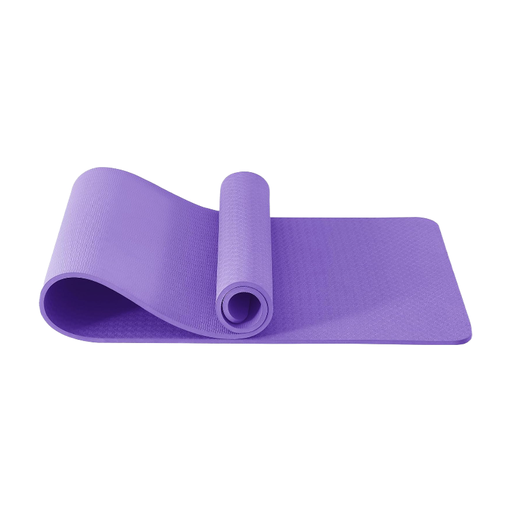
Why This Fits Their Persona: Perfect for someone starting a home fitness journey, focusing on Pilates, stretching or bodyweight exercises. The priority is maximum joint comfort on hard UK floors.
This mat avoids the "comfort myth" trap. While it is a thick 10mm exercise mat, it is made from high-density TPE, which provides supportive cushioning that resists compression, unlike cheap, squishy NBR foam.
Optimal 10mm cushioning for spine and knee support. Includes a yoga mat with carry strap for easy storage.
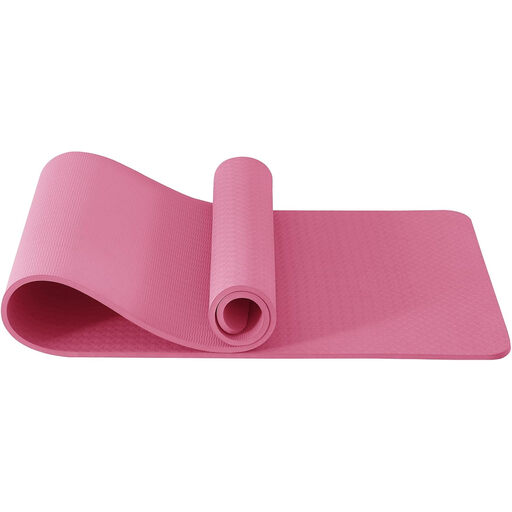
Why This Fits Their Persona: For the individual who mixes their routine with yoga, Pilates and general fitness. They need a durable, multi-purpose mat that offers both grip for poses and cushioned support for floor exercises.
This mat's double-sided non-slip texture provides genuine, lasting grip, avoiding the "sticky illusion" of cheap coatings. The high-density TPE material is also tear-resistant, ensuring it holds up to varied workouts beyond gentle yoga.
Versatile double-sided grip for different floor types and exercises. The robust TPE material offers quick rebound and durability.
We have compiled a complete, real-time list of products that fully satisfy these strict selection criteria and UK safety regulations.
For both TPE and cork mats, gentle cleaning is key. Avoid harsh chemical sprays. Simply wipe the mat down with a damp cloth using a mild solution of water and a few drops of gentle soap. For a cork yoga mat, allow it to air dry completely with the cork side facing up. Never put your yoga mat in a washing machine.
With regular use (2-3 times per week) and proper care, a quality TPE yoga mat or cork mat should serve you well for 1 to 3 years. It's time to consider a replacement when you notice the surface becoming smooth and losing its grip or if you see signs of flaking, thinning, or tearing.
A 10mm exercise mat provides excellent cushioning, which is a significant benefit for restorative yoga, Pilates and for anyone with sensitive knees or wrists. However, for more dynamic styles of yoga that involve many balancing poses, some practitioners find a thinner mat (around 4-6mm) offers a more stable connection to the floor. The right choice depends on your primary activity and personal comfort preference.