
24/7 Customer Support

Free returns

Same-day & Next-day Delivery

Quality Guaranteed

Unlock Your Welcome Offers: FREE Delivery | Up to 80% OFF | Free 30-day JoyPlus trial
Download the APP
A reliable exercise mat is the foundation of any good home workout, whether you're flowing through a vinyasa sequence, holding a plank or stretching after a run. Yet, finding a truly non-slip yoga mat can feel like a workout in itself. Many mats promise stability but leave you sliding at the first sign of sweat, while others offer so little cushioning they might as well be a towel on the floor.
As the Joybuy Product Recommendation Officer, my role is to help you navigate these common issues. Before you invest in a new mat, let's look at the frequent pitfalls that can lead to a disappointing purchase and how to avoid them.
To ensure your new mat supports your fitness goals, focus on these core parameters. They are the true indicators of quality and suitability, far more than flashy marketing claims.
The thickness of your mat directly impacts joint protection. It's not just about softness; it's about supportive density.
The material dictates durability, weight and, most importantly, grip. While many materials exist, PVC is a common and durable option. However, with PVC, the surface texture is everything. A completely smooth mat will likely fail you. Look for a mat with a distinct embossed or raised texture. This physical pattern is what creates the friction needed for a genuine anti-slip fitness mat, giving your hands and feet purchase even during a more intense, sweaty practice.
Don't overlook the length and width. A standard mat is typically 24 inches wide and 68 inches long. This is adequate for many, but if you are over 5'10" (178cm), consider a mat that is 72 inches or longer. This extra space ensures you can fully extend in any pose without breaking your form or concentration, making it a more effective gym floor mat for your personal space.
Based on these practical criteria, here are some recommendations matched to different user needs.
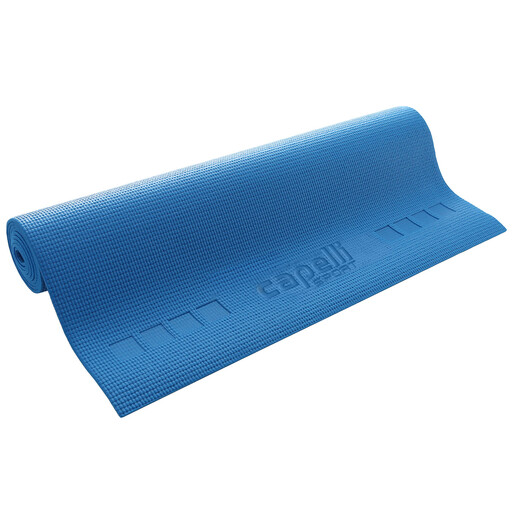
Why This Fits Their Persona: An excellent entry-level option for those starting a home practice in the UK. It provides a functional balance of grip and basic cushioning without a significant initial investment, making it ideal for trying out yoga or Pilates.
The 4mm thickness avoids the "ultra-thin" trap by offering a tangible layer of cushioning. Its embossed surface provides the necessary texture to counter the "slippery when new" problem found on smooth affordable mats.
Made from durable PVC that is easy to wipe clean and maintain. The embossed texture provides reliable stability for foundational poses.
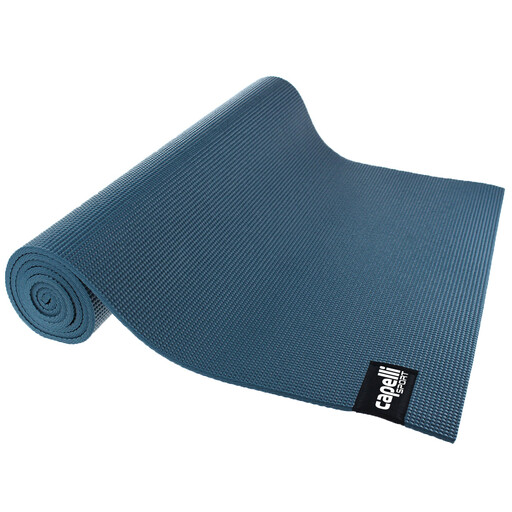
Why This Fits Their Persona: For those whose routine includes a mix of yoga, Pilates and bodyweight exercises. This user needs a robust, cushioned mat that protects their joints on hard flooring and provides a stable base for various movements.
The substantial 7mm thickness completely sidesteps the "ultra-thin" problem, offering excellent cushioning. Its non-slip coating is designed for a stronger grip, providing confidence during dynamic exercises.
The memory foam construction provides firm, comfortable support for muscles and joints. The 72-inch length offers ample space, avoiding the "one-size-fits-all" issue for taller users.
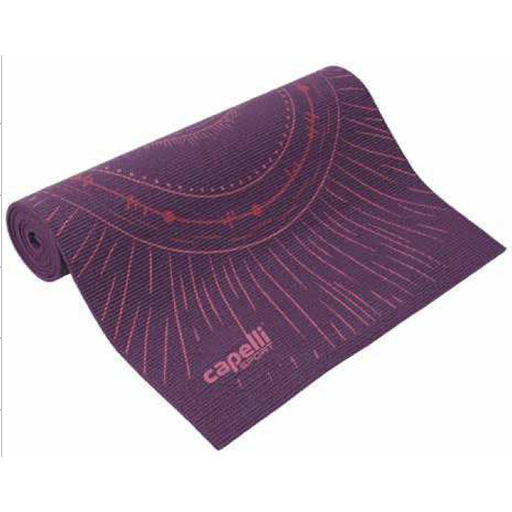
Why This Fits Their Persona: For the practitioner who wants their gear to be as expressive as their practice. This user seeks a mat that combines reliable performance with a design that stands out from the standard solid-colour options.
This mat avoids the "one-size-fits-all" trap with its extended 72-inch length. The 6mm thickness provides a great all-round level of cushioning, while the embossed surface ensures it performs as a proper non-slip mat.
The full-pattern print offers a unique aesthetic. It combines this style with practical features: a versatile 6mm thickness, generous length and a durable, easy-to-clean PVC surface.
We have compiled a complete, real-time list of products that fully satisfy these strict selection criteria and UK safety regulations.
A new PVC mat often has a slight residue from the factory. To improve its grip, it's a good idea to "break it in." You can do this by gently wiping it down with a cloth dampened with water and a small amount of mild soap. Rinse it with a clean, damp cloth and let it air dry completely, away from direct sunlight. The grip of a textured mat will typically improve with the first few uses.
If you have sensitive knees or practice on very hard surfaces like tile or wood laminate, a thicker mat is advisable. Look for a cushioned workout mat that is at least 6mm thick. A 7mm or 8mm mat will provide even more substantial support, helping to absorb pressure on your joints during kneeling poses or other floor-based exercises.
The lifespan of a PVC mat depends on the frequency of use and how it's cared for. For regular home use (a few times a week), a good quality, durable PVC mat should last for several years. To maximise its life, always wipe it down after sweaty sessions, allow it to air dry before rolling it up and store it away from direct sunlight, which can cause the material to degrade over time.