
24/7 Customer Support

Free returns

Same-day & Next-day Delivery

Quality Guaranteed

Unlock Your Welcome Offers: FREE Delivery | Up to 80% OFF | Free 30-day JoyPlus trial
Download the APP
Finding the right mat for your home workout can feel surprisingly complicated. Whether you're flowing through a yoga sequence, holding a plank during a Pilates session or just need a comfortable surface for stretching, the stability of your mat is paramount. A slippery or uncomfortable surface isn't just an annoyance; it can compromise your form and safety.
As the Joybuy Product Recommendation Officer, my role is to help you navigate the market and identify what truly matters. Many people are drawn in by flashy marketing, only to end up with a mat that fails them. Before you make a choice, let's look at the common pitfalls to avoid.
gym mat that can withstand regular use, whether for yoga, Pilates or general fitness.To ensure you get a reliable non-slip yoga mat, focus on these three core parameters. They are the true indicators of quality and suitability for your needs.
The thickness of an exercise mat is a critical factor that directly impacts your comfort and performance. It's not a case of "thicker is always better."
Capelli Sport 4MM Yoga Mat is a good example of this, offering stability for those who prioritise grounding.thick yoga mat is ideal for more static or floor-based practices like Pilates, core work or restorative yoga. The extra cushioning provides essential protection for your spine, hips and knees. If you have sensitive joints or primarily do floor exercises, a mat in this range, such as the Capelli Sport 7 mm Memory Foam Yoga Mat, is a more suitable choice.The material determines the mat's grip, durability and feel. Most affordable and durable mats you'll find are made from PVC (Polyvinyl Chloride). While other materials like TPE, rubber and cork exist, PVC offers a great balance of performance and value for most users.
When choosing a PVC mat, the key to a non-slip experience is its surface texture. Look for a mat with an embossed or textured surface. This pattern creates physical resistance against your hands and feet, providing the grip you need to hold poses securely. PVC is also known for its durability and is very easy to wipe clean, making it a practical choice for a home workout mat.
Most standard yoga mats are around 24 inches wide (approx. 61cm) and 68 to 72 inches long (approx. 173-183cm). For most people, a 68-inch mat is sufficient. However, if you are taller than 5'10" (178cm), you may find a 72-inch or longer mat more comfortable, as it will prevent your head or feet from touching the floor during poses like Savasana.
Based on these practical criteria, we've matched some products to different user needs. This isn't about finding one "perfect" mat, but about finding the right mat for you.
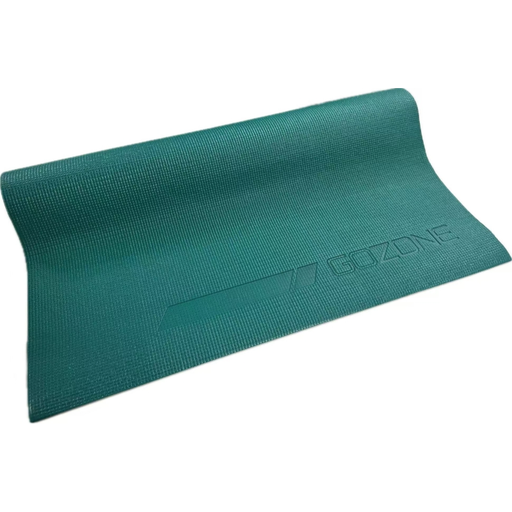
Why This Fits Their Persona: Ideal for those new to home fitness or yoga who need a functional, no-frills mat without a large initial investment. It's lightweight and easy to store, perfect for occasional use in a smaller living space.
This mat avoids the trap of overspending. Its embossed PVC surface provides reliable grip for basic exercises, directly countering the "slippery surface" issue common in untextured, cheap mats.
Pro: Highly affordable and lightweight for easy transport and storage.
Pro: Durable PVC material is easy to clean and resists tearing.
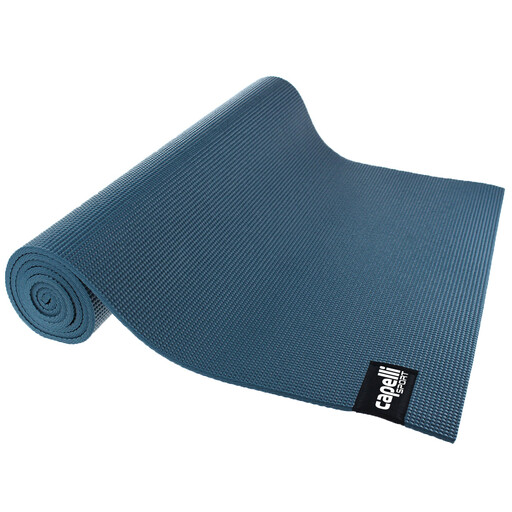
Why This Fits Their Persona: Perfect for anyone who spends a lot of time on the floor doing Pilates, ab exercises or stretching. The extra thickness is designed to protect joints from hard surfaces, making workouts more comfortable and sustainable.
This mat directly solves the "looks good, feels bad" problem. Its 7mm thickness provides substantial cushioning, preventing the discomfort that comes from using a thin mat on a hard floor.
Pro: Excellent joint cushioning for floor-based workouts.
Pro: Features a non-slip coating for a strong grip during intense poses.
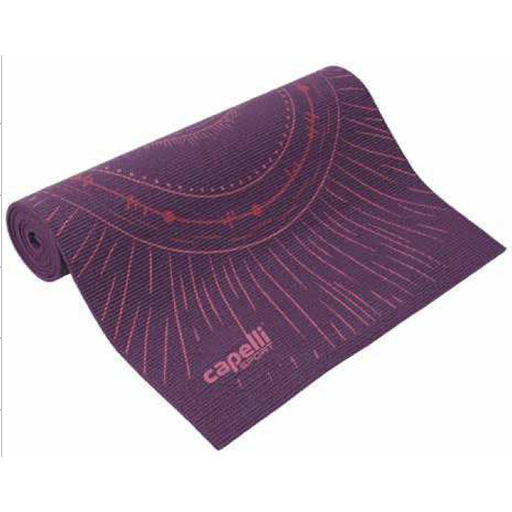
Why This Fits Their Persona: For the user who enjoys a mix of yoga, stretching and light fitness. This mat offers a great balance of comfort and stability, while the full pattern adds a touch of personal style to their practice.
It sidesteps the durability disappointment. The durable PVC construction is designed to resist peeling and tearing, ensuring it holds up to regular, varied use without quickly degrading.
Pro: Versatile 6mm thickness is a perfect middle-ground for both stability and cushioning.
Pro: The 72-inch length provides ample space for taller users.
We have compiled a complete, real-time list of products that fully satisfy these strict selection criteria and UK safety regulations.
New PVC mats sometimes have a thin, slick film left over from the manufacturing process. To improve the grip, you can gently wipe the mat down with a cloth dampened with water and a small amount of mild soap. Rinse with a clean, damp cloth and let it air dry completely before use. Using the mat regularly will also help to break it in and improve its texture.
With proper care, a well-made PVC gym mat should last for several years of regular use. To maximise its lifespan, avoid using it with trainers that have sharp or abrasive soles, clean it regularly to remove sweat and oils and store it rolled up in a cool, dry place away from direct sunlight, which can cause the material to degrade over time.
While the terms are often used interchangeably, there can be differences. Yoga mats, especially for active styles, tend to prioritise grip and may be thinner for better balance. A general exercise mat or Pilates mat often prioritises cushioning and may be thicker to protect the body during high-impact or floor-based movements. However, many modern mats are designed to be versatile enough for both. The key is to match the mat's thickness and surface to your primary activity.