
24/7 Customer Support

Free returns

Same-day & Next-day Delivery

Quality Guaranteed

Unlock Your Welcome Offers: FREE Delivery | Up to 80% OFF | Free 30-day JoyPlus trial
Download the APP
As a Joybuy Product Recommendation Officer, my role is to help you navigate the crowded market of fitness gear. When it comes to something as fundamental as an exercise mat, making the right choice is crucial for a safe and effective practice. A good mat provides a stable, comfortable foundation, while a poor one can be a frustrating and even risky distraction.
Many people purchase a non-slip yoga mat only to find it fails them during a simple downward dog. Before you invest, it’s important to understand a few common pitfalls that lead to buyer's remorse.
thick yoga mat options (often 10mm or more) are made from soft, spongy foam. While comfortable for lying down, they can create an unstable surface for standing or balance poses, increasing the risk of a rolled ankle.To avoid these issues, focus on a few key parameters. Understanding these will empower you to choose a mat that genuinely supports your fitness goals, whether you're looking for a pilates mat, a fitness mat for home gym use or a dedicated yoga mat.
The material of your mat dictates its grip, durability and feel. While many budget mats are made from PVC, a more modern and functional alternative is TPE (Thermoplastic Elastomers).
TPE yoga mat is typically lighter than its PVC or rubber counterparts, making it easier to carry to and from classes.Mat thickness is a balancing act between comfort and stability.
thick yoga mat in this range is ideal for those with sensitive joints or for practices with a heavy focus on floor-based movements, such as Pilates or restorative yoga. The key is to ensure it's made from high-density TPE to prevent the unstable, sinking feeling.The final details can make a big difference in your daily use. Look for a mat with a double-sided non-slip texture—one pattern to grip the floor and another to provide traction for your hands and feet. Additionally, if you plan to attend classes, a yoga mat with carrying strap is an indispensable accessory for easy transport and storage.
Based on these practical criteria, we've matched a few standout options to different user needs. These selections prioritise durable materials, functional design and overall value.
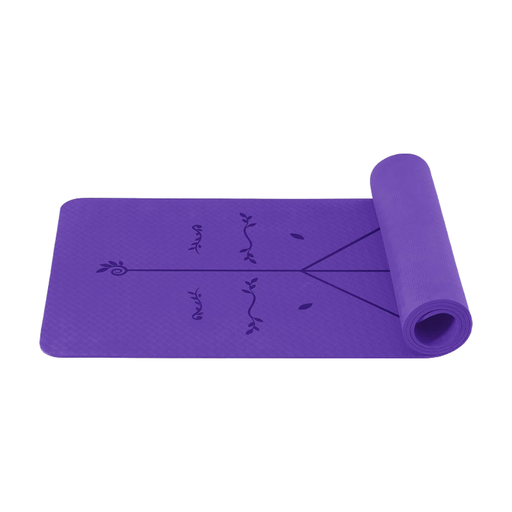
Why This Fits Their Persona: This is an ideal yoga mat for beginners. The 6mm thickness is the perfect all-rounder for stability and comfort, while the printed alignment lines offer a helpful visual guide for correct hand and foot placement, building good habits from the start.
The high-density TPE material prevents the mat from stretching during poses, directly countering the "sticky but stretchy" problem common in cheaper mats.
Features a double-sided non-slip design for secure grip. The skin-friendly, phthalate-free TPE material is lightweight and includes a carry strap.
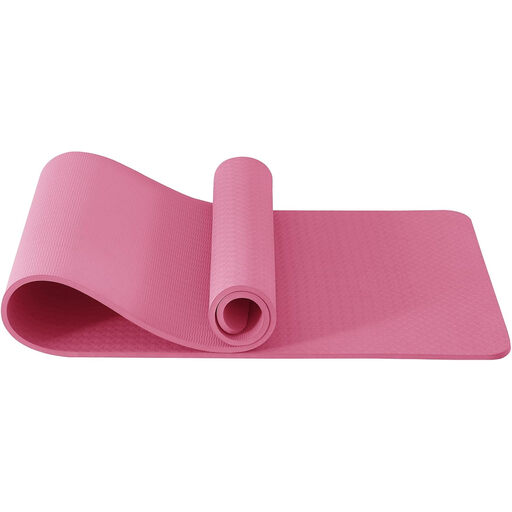
Why This Fits Their Persona: For those who practise Pilates, restorative yoga or simply have sensitive knees and hips, the extra cushioning of this 10mm thick yoga mat provides superior comfort during floor-based exercises without sacrificing too much stability.
Its high-density, compression-resistant TPE construction avoids the "cushion vs. stability" myth. It provides padding without the unstable, sinking feeling of lower-quality NBR mats.
Enhanced 10mm cushioning for spine, hips and knees. The double-sided non-slip surface ensures a firm grip on the floor for safety during workouts.
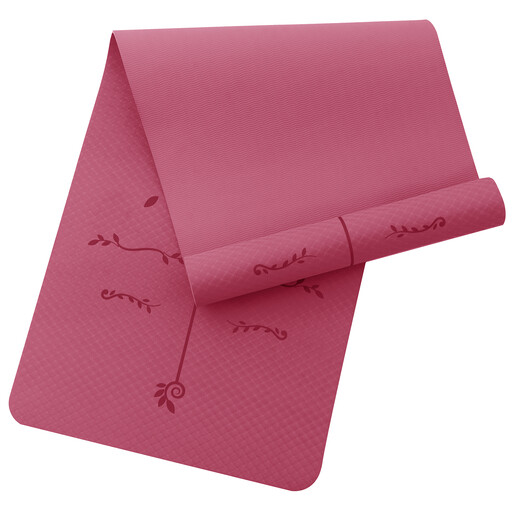
Why This Fits Their Persona: For those who travel to a studio or enjoy outdoor sessions, portability is key. At just 730 grams, this 6mm yoga mat is lightweight and easy to manage, while the included yoga mat with carrying strap makes it effortless to transport.
Unlike flimsy, cheap mats that degrade quickly, this mat's durable TPE construction is built to withstand being rolled and unrolled frequently, avoiding the "durability deception."
Very lightweight design (730g) for maximum portability. The versatile 6mm thickness is suitable for a wide range of exercises, from yoga to general home fitness.
We have compiled a complete, real-time list of products that fully satisfy these strict selection criteria and UK safety regulations.
New TPE mats can sometimes have a slight residue from the manufacturing process. Before your first use, it's a good practice to wipe the mat down with a damp cloth and a very small amount of mild soap. Rinse with a clean, damp cloth and allow it to air dry completely, away from direct sunlight. This will help "break in" the surface and optimise its non-slip properties.
Neither is inherently "better"—it depends on your primary use. A 6mm yoga mat is a fantastic all-rounder, offering a great balance of cushioning and stability for varied workouts, including standing poses. A 10mm mat excels in providing extra comfort for sensitive joints and is ideal for floor-based practices like Pilates, but it can feel less stable for balance-intensive yoga.
With proper care, a quality TPE mat should serve you well for several years. To maximise its lifespan, wipe it clean after sweaty sessions, allow it to air dry completely before rolling it up and store it out of direct sunlight, as prolonged UV exposure can degrade the material over time. You'll know it's time for a replacement when you notice significant flaking, a loss of grip or permanent indentations that don't rebound.