
24/7 Customer Support

Free returns

Same-day & Next-day Delivery

Quality Guaranteed

Unlock Your Welcome Offers: FREE Delivery | Up to 80% OFF | Free 30-day JoyPlus trial
Download the APP
A non-slip yoga mat can make floor exercise more comfortable and stable, but product descriptions do not always tell the full story. A mat may be labelled “cushioned”, “strong grip” or “suitable for hot yoga” while still being too thin, too narrow or difficult to keep flat on a hard floor.
Before buying, UK shoppers should look beyond the headline claim and check the construction, dimensions and intended use. The right choice depends on whether you need a portable gym yoga mat, a thick yoga mat for floor routines or a lighter surface for standing poses and stretching.
Grip depends on both surfaces: the texture of the mat and the floor underneath it. Dust, moisture, polished flooring and loose carpet can all reduce stability. An embossed or textured surface may provide useful traction, but it does not remove the need to place the mat on a clean, flat surface.
For hot yoga or high-sweat sessions, check whether the product information describes a coating or surface texture designed for grip. A towel may still be useful for moisture management, depending on the routine.
A 3 mm yoga mat is relatively easy to roll and carry, but offers less cushioning on hard floors than a 6 mm or 7 mm option. It can suit standing yoga, travel and users who prefer closer contact with the floor.
A thick yoga mat provides more padding for kneeling, seated work, stretching and Pilates. However, excessive softness can make balance-focused poses feel less stable. Thickness should therefore match the type of movement, not simply be treated as a quality ranking.
A standard width of around 24 inches is suitable for many users, but taller people may prefer a longer mat. Always compare the listed length and width with the available floor space at home or in a studio.
PVC is commonly used for an affordable fitness exercise mat because it can be wiped clean and offers a structured surface. Still, inspect the care instructions, odour information and packaging before use. Allow a new mat to air out if it has a noticeable manufacturing smell, and follow the seller’s cleaning guidance.
A cushioned yoga mat should still lie flat and provide a stable base. If the mat compresses unevenly or curls at the edges, the extra thickness may not improve the experience.
Look for terms such as embossed surface, textured finish, non-slip coating or dry-grip surface. These are more informative than a simple “anti-slip” label. Grip should be assessed alongside the exercise type: gentle stretching places different demands on a mat than repeated transitions, core work or standing poses.
A mat measuring 68 inches by 24 inches is compact enough for many home spaces, while a 72-inch length can provide extra room for taller users. Wipe the surface with a damp cloth and mild soap where permitted, then let it dry fully before rolling. Avoid prolonged direct sunlight unless the care instructions state otherwise, as heat and UV exposure may affect some materials over time.
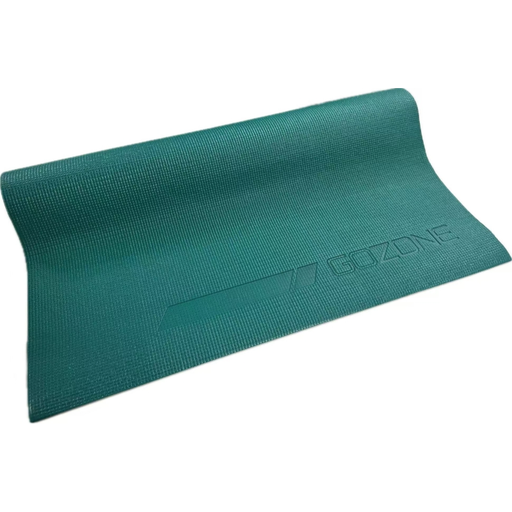
Why This Fits Their Persona: A straightforward option for beginners practising yoga, Pilates, posture, balance and flexibility exercises at home or in the gym.
Its listed 3 mm thickness sets a clear expectation, avoiding the assumption that every non-slip mat offers deep cushioning.
PVC construction; embossed surface; 68 x 24 inch dimensions; designed to wipe clean.
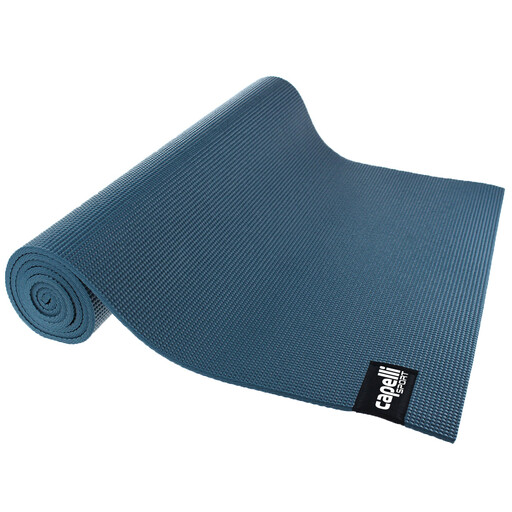
Why This Fits Their Persona: The thicker format is intended for users who regularly combine yoga with Pilates, stretching and floor workouts and want additional padding.
The 7 mm specification makes the cushioning level clear, while the listed non-slip coating gives more detail than an unqualified grip claim.
7 mm PVC construction; cushioned support; non-slip coating; suitable for standard or hot yoga, Pilates and floor exercise.
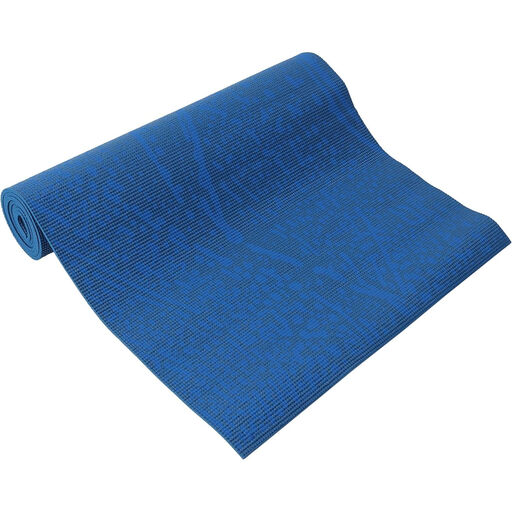
Why This Fits Their Persona: A longer, padded floor workout mat for regular home sessions, gym transport, Pilates, stretching and varied fitness routines.
Its 6 mm thickness and textured surface are specified separately, so shoppers can distinguish cushioning from traction rather than treating them as one feature.
6 mm PVC construction; 72 x 24 inch dimensions; textured grip; portable roll-up design.
We have compiled a complete, real-time list of products that fully satisfy these strict selection criteria and UK safety regulations.
Place your anti-slip exercise mat on a clean, dry and level surface. Unroll it fully and allow curled edges to settle before performing movements that require balance. Keep the mat away from extended direct sunlight and store it dry.
After use, wipe away sweat and dirt using the care method supplied with the product. Do not roll a damp mat, as trapped moisture can affect cleanliness and odour. Check the surface and edges periodically for peeling, tears or loss of texture. Replace the mat if damage affects its stability.
Often, yes. Pilates and floor-based exercises can involve prolonged contact between the back, knees, elbows and hips and the floor, so a 6 mm or 7 mm mat may provide more padding than a 3 mm option. However, users should also consider whether a soft surface affects balance or alignment during standing movements.
Lifespan varies with frequency of use, storage, cleaning and the intensity of the routine. Regularly inspect the surface for cracks, peeling, tearing or reduced grip rather than relying on a fixed replacement period. Care instructions and warranty information should be checked on the individual product page.
Yes, many mats are designed for mixed use, including yoga, Pilates, stretching, ab exercises and general floor workouts. Confirm the dimensions, thickness and portability before buying. For vigorous or sweaty sessions, select a surface with clearly described texture or coating and keep the mat clean between uses.