
24/7 Customer Support

Free returns

Same-day & Next-day Delivery

Quality Guaranteed

Unlock Your Welcome Offers: FREE Delivery | Up to 80% OFF | Free 30-day JoyPlus trial
Download the APP
A non-slip yoga mat should provide dependable grip, comfortable cushioning and enough room for your normal movements. Yet product listings can make similar mats appear interchangeable. A thin PVC mat may suit standing poses but feel harsh during floor exercises, while a very thick mat may feel unstable during balance work.
Before buying, look beyond colour and promotional wording. The useful comparison points are surface traction, thickness, material, dimensions, cleaning requirements and portability.
A textured or embossed surface can improve traction, but no exercise mat remains perfectly secure on every floor or in every condition. Dust, damp flooring, sweat and polished surfaces can reduce grip. Product descriptions should explain the surface design, but users still need to place the mat on a clean, dry and level floor.
A mat may also grip well underneath while offering less traction on top. Double-sided texture, as found on some TPE designs, can help with positioning, but it does not remove the need for sensible setup.
A thick yoga mat is not automatically more suitable. Thickness affects cushioning, stability, weight and storage:
The foam density and construction also matter. A soft mat can compress under body weight, while a firmer surface may offer more stable support.
A personal exercise mat is designed for bodyweight movement. It is not necessarily suitable beneath heavy weights, benches or gym equipment. Dropping equipment onto PVC, TPE or foam may cause permanent dents or tears.
For a home gym area, interlocking flooring tiles can be more suitable because they cover a larger surface and can be assembled around equipment. They are a separate purchase category from a roll-up yoga or Pilates mat.
Look for an embossed, textured or granulated surface and consider whether you mainly exercise in socks, barefoot or with trainers. A non-slip yoga mat can support yoga, Pilates and stretching, but surfaces may become slippery when wet. Wipe away sweat and allow the mat to dry fully after cleaning.
For a home workout, check that the mat does not slide when you transition between movements. If you exercise on laminate, vinyl or tiles, test the underside on a clean section of flooring before starting a demanding routine.
A 6 mm yoga mat is often a sensible general-purpose option. It provides more cushioning than a 3 mm design without the pronounced softness of a 10 mm mat. A 7 mm or 10 mm mat may be more comfortable for floor-based fitness, Pilates and stretching, particularly when your routine includes extended time on elbows, hips or knees.
However, additional padding can make standing balance exercises feel less direct. Choose according to your routine rather than selecting the thickest available option.
Common materials include:
A standard size around 183 × 61 cm or 72 × 24 inches gives most adults useful coverage. A wider or longer floor workout mat may be preferable if you move frequently between positions. For regular travel to a class or gym, consider the rolled size, weight and whether a yoga mat with carry strap is included.
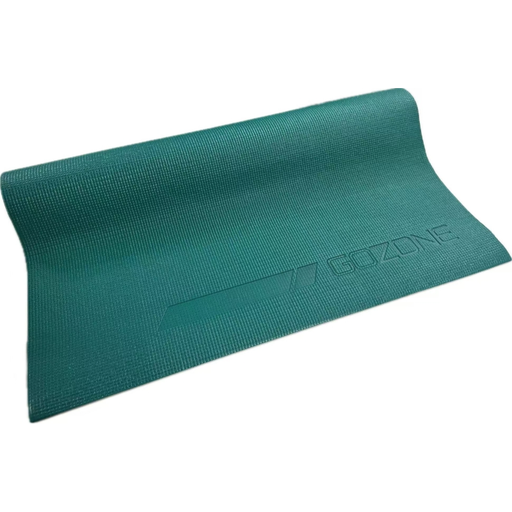
Why This Fits Their Persona: A straightforward option for beginners building a home yoga, Pilates or stretching routine without requiring extra-thick padding.
The listing specifies a 3 mm thickness and embossed surface, making the firmness and grip design clearer than relying on a generic “non-slip” label.
PVC construction; 68 x 24 inch dimensions; wipe-clean surface.
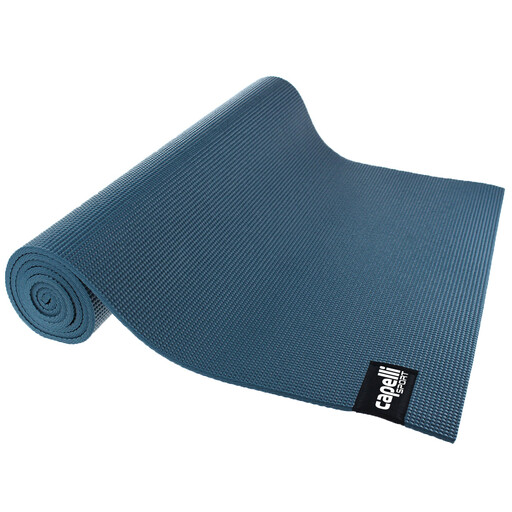
Why This Fits Their Persona: Suitable for regular users who want a thicker PVC mat for yoga, Pilates, floor workouts and home fitness.
Its stated 7 mm thickness gives buyers a defined cushioning level, while the non-slip coating is listed as a product feature rather than an unspecified promise.
7 mm thickness; 72 x 24 inch size; PVC material and wipe-clean care.
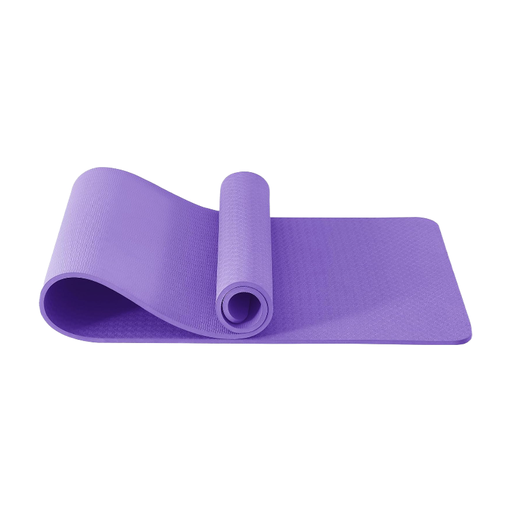
Why This Fits Their Persona: Designed for users prioritising substantial cushioning across Pilates, stretching, gymnastics, floor workouts and general fitness.
The listing states the exact 10 mm thickness, 183 x 61 cm dimensions and double-sided textured surface, so the main comfort and grip features are identifiable.
High-density TPE; double-sided non-slip texture; included carry strap.
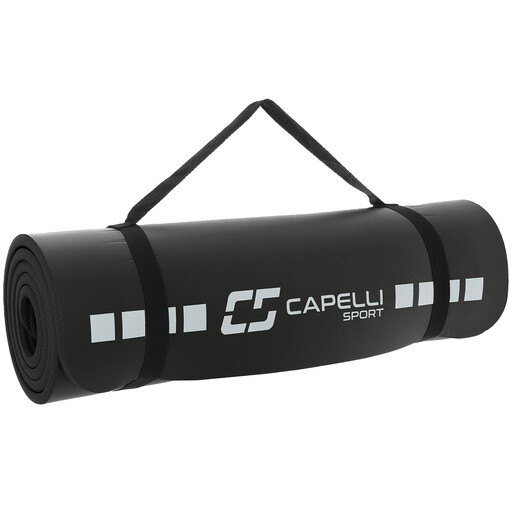
Why This Fits Their Persona: A practical choice for travelling between a flat, home gym, studio or local class when extra cushioning and easy carrying are useful.
The dimensions, material and thickness are clearly listed, while the carrying strap addresses storage and transport rather than leaving portability as an implied feature.
1.2 cm NBR foam; textured surface; 61 x 183 cm size and elastic carrying strap.
We have compiled a complete, real-time list of products that fully satisfy these strict selection criteria and UK safety regulations.
Place any yoga mat or fitness mat on a dry, flat and clean surface. Keep it away from sharp objects, open flames and excessive heat. Do not use a personal mat beneath heavy equipment unless the product instructions specifically allow it.
After exercising, wipe the surface with a damp cloth and mild soap where permitted. Allow it to dry completely before rolling or storing. Avoid strong solvents, abrasive brushes and prolonged direct sunlight, as these may damage the surface or accelerate material ageing. Inspect regularly for peeling, tears, cracks or loss of grip.
It can provide more cushioning, but comfort depends on material density and the activity. A 6–7 mm mat offers a balanced option for mixed workouts, while 10 mm or 1.2 cm designs provide more padding for floor-based exercise. Thicker mats can feel less stable during balance poses.
Clean both the floor and underside of the mat, then unroll it fully on a level surface. Remove dust and moisture before use. If movement continues, check whether the mat is compatible with your floor type and avoid exercising on damp surfaces.
Lifespan depends on frequency of use, body weight, storage and cleaning. Regularly check for surface wear, thinning, tears or curling edges. Replace the mat when it no longer lies flat or provides reliable traction, rather than relying on a fixed time period.