
24/7 Customer Support

Free returns

Same-day & Next-day Delivery

Quality Guaranteed

Unlock Your Welcome Offers: FREE Delivery | Up to 80% OFF | Free 30-day JoyPlus trial
Download the APP
A non-slip yoga mat should keep you stable without becoming uncomfortable, difficult to clean or impractical to carry. Yet many shoppers focus on colour or thickness alone and overlook the features that affect everyday use.
Three buying traps are particularly common:
The right choice depends on your preferred workouts, the surface beneath the mat and how often you expect to move it.
Thickness affects comfort, stability and portability.
A thick yoga mat can help cushion elbows, hips and knees, but it should still have a clearly described textured or non-slip surface.
Look for specific construction details rather than relying only on phrases such as “secure” or “professional”. An embossed surface, double-sided texture or suede-style top can provide a more tactile feel.
For hot yoga, consider how the surface is intended to behave when damp. The supplied product information warns that an embossed PVC surface may become slippery when wet, so users should keep the mat dry where possible and exercise carefully if sweat builds up.
A cork yoga mat can be appealing for heated sessions because its surface texture may change slightly with moisture. However, grip still depends on the individual, room conditions and the floor underneath.
Common materials include:
A common UK mat size is approximately 183cm x 61cm or 72 x 24 inches. Taller users may prefer additional length, while smaller rooms may require attention to the mat’s rolled diameter and storage space.
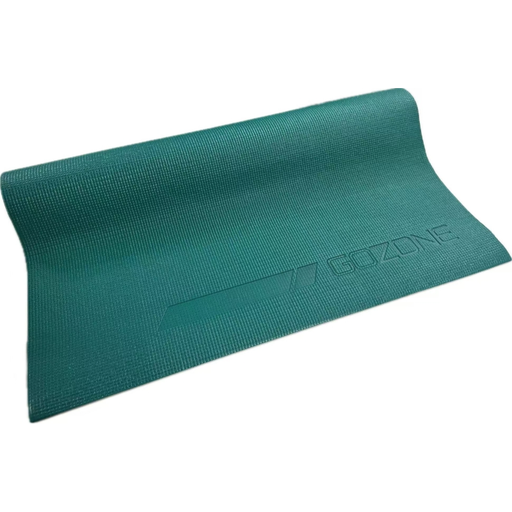
Why This Fits Their Persona: A straightforward choice for beginners building a home yoga or Pilates routine without needing extra-thick padding.
Its embossed surface is specified for stability, while the 3mm profile avoids paying for cushioning that may not be needed.
PVC construction, 24 x 68-inch dimensions and wipe-clean care instructions.
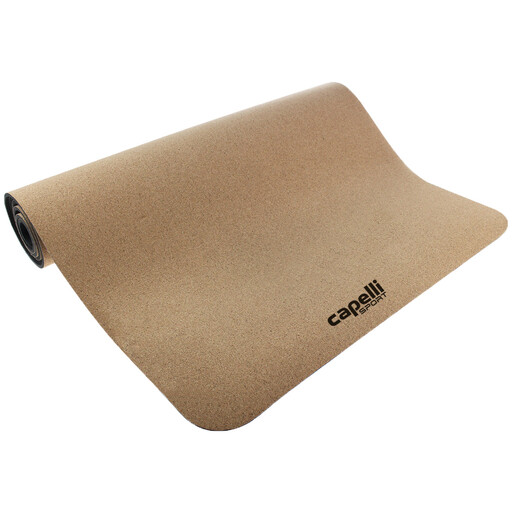
Why This Fits Their Persona: Suitable for shoppers who want a distinct natural-cork surface for yoga, Pilates, stretching and heated sessions.
The listing identifies both the cork top and TPE base, so shoppers can assess the construction rather than relying on vague sustainability wording.
5mm thickness, 61 x 183cm size and a two-material construction designed for yoga and workouts.
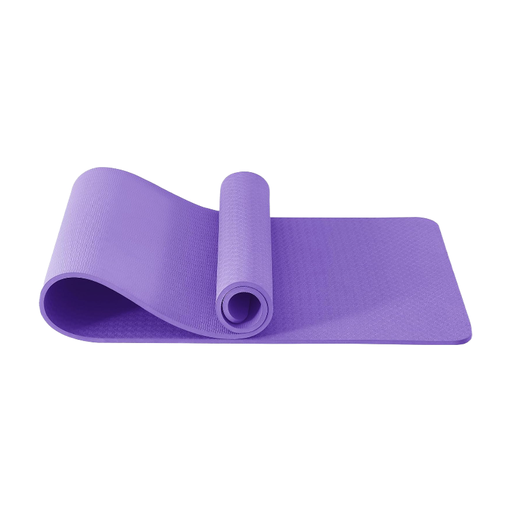
Why This Fits Their Persona: A cushioned yoga mat for users combining yoga with Pilates, gymnastics, stretching, floor training or light weight training.
The listing specifies a double-sided textured surface, rather than relying on thickness alone for stability.
10mm high-density TPE, 183 x 61cm dimensions and an included carry strap.

Why This Fits Their Persona: Useful for commuters, studio members and travellers who need a foldable mat or a cover layer for an existing studio mat.
Its 2mm structure is designed for folding and transport, avoiding the storage problem associated with bulky thick mats.
Suede microfiber surface, natural rubber base, foldable format and included storage bag.
We have compiled a complete, real-time list of products that fully satisfy these strict selection criteria and UK safety regulations.
Place your mat on a clean, dry and level surface before every session. Wipe it with a damp cloth and mild soap when required, then allow it to dry fully before rolling. Avoid prolonged direct sunlight, extreme temperatures, sharp objects and abrasive floors.
Inspect the surface regularly for tearing, peeling, permanent compression or loss of grip. Replace the mat when damage affects stability. A mat’s usable lifespan depends on workout frequency, body weight, floor type, cleaning routine and storage conditions, so a fixed duration cannot be promised.
Not necessarily. A 5–7mm mat can offer a useful balance of comfort and stability, while 10mm or more may suit floor-based workouts and users who prioritise cushioning. For balance poses, a thinner surface may feel steadier.
Some mats are listed for hot yoga, including cork, PVC and TPE designs. However, moisture can change grip, and the supplied warnings advise caution when sweat accumulates. Keep the mat clean, follow the care instructions and avoid using it on a wet floor.
Unroll it fully on a clean, dry, level surface and check that the underside is making even contact. Remove dust and moisture from both the floor and mat. If the mat continues to move during vigorous exercise, choose a design with a textured underside or use it on a suitable exercise surface.