
24/7 Customer Support

Free returns

Same-day & Next-day Delivery

Quality Guaranteed

Unlock Your Welcome Offers: FREE Delivery | Up to 80% OFF | Free 30-day JoyPlus trial
Download the APP
A non-slip yoga mat should offer dependable grip, enough cushioning for floor exercises and dimensions that suit your practice. Yet product listings can make similar mats appear very different, while leaving out details that affect everyday use.
Before buying, watch for three common pitfalls:
The following points can help you compare a PVC yoga mat, Pilates mat or general fitness and exercise mat more accurately.
A 6mm yoga mat is a practical middle option for many home workouts, yoga sessions and Pilates routines. It offers more cushioning than a 3mm mat without the extra height of some thick yoga mat designs.
Consider:
Cushioning is particularly useful if your UK home has hard laminate, tile or wood flooring. It does not replace a protective surface under heavy equipment, and mats should be used on a clean, dry, level floor.
An embossed grip surface creates texture under the hands and feet. It can help with stability during yoga poses, Pilates movements, ab crunches and stretching. However, no textured surface should be treated as completely slip-proof when wet.
PVC is common because it is flexible, wipe-clean and available in different thicknesses. Check the care instructions and material details rather than assuming that “eco” or “sweat-proof” wording means a particular certification. For example, the PVC products below do not list specific environmental certifications.
Cork and TPE offer another construction option. Cork may feel different from PVC and can be appealing for buyers who prefer a natural-feel top surface, but it still needs appropriate cleaning and storage.
A standard width of around 24 inches suits many adults, while a length of 68–72 inches may be adequate for most floor-based routines. Taller users or those who move frequently may prefer checking whether the mat extends beyond their head and feet during stretches.
For a gym yoga mat or portable yoga mat, also consider:
Use the mat only after unrolling it fully on a suitable surface. Wipe it with a damp cloth and mild soap, then allow it to air dry completely before rolling it away.
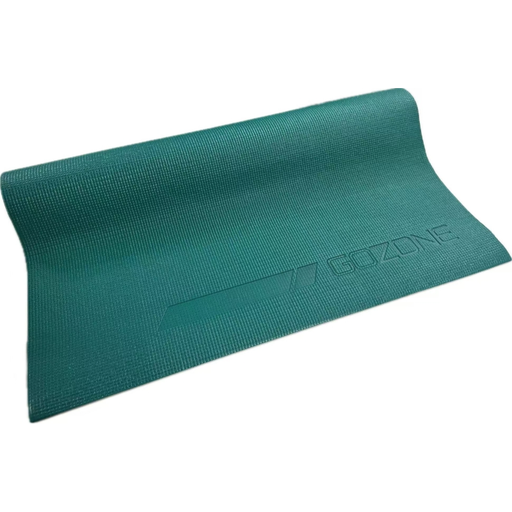
Why This Fits Their Persona: Its slimmer 3mm profile may suit beginners who need a straightforward mat for occasional yoga, stretching or home workouts and want easier storage.
The listing states the thickness and 24 x 68-inch size, avoiding a vague specification. Its embossed surface is intended to provide stability, but should still be kept dry.
PVC construction; wipe-clean embossed and cushioned surface.
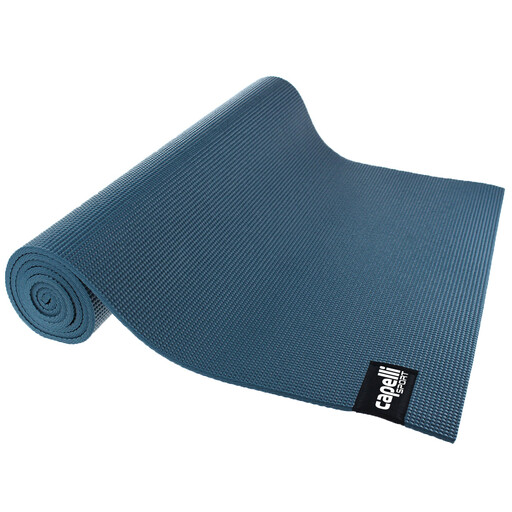
Why This Fits Their Persona: A 7mm format suits users who prioritise extra cushioning for frequent Pilates, stretching and floor-based home fitness sessions.
The listing provides a specific 7mm thickness, 72 x 24-inch size and PVC material rather than relying only on general comfort wording.
Thick cushioned construction; non-slip coating listed for yoga and fitness use.

Why This Fits Their Persona: This cork and TPE design is aimed at regular users who want a different surface feel for yoga, Pilates, stretching and workouts, including heated sessions.
The product specifies its cork top, TPE base, 5mm thickness and 61 x 183cm dimensions. “Sweat-proof” wording should not replace safe use on a level surface.
Cork and TPE construction; suitable for yoga, Pilates, stretching and workouts.
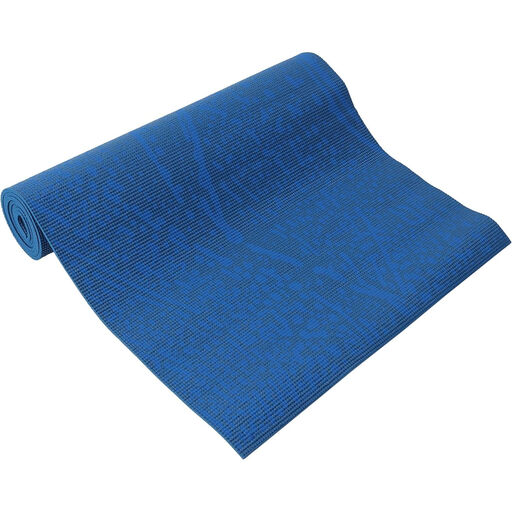
Why This Fits Their Persona: The portable format is suitable for users alternating between home, gym sessions and studio-style workouts, with enough cushioning for varied floor exercises.
Its listing gives a 6mm thickness, textured surface and roll-up portability. Confirm the final dimensions on the product page, as some related listings show 68 inches rather than 72 inches.
PVC construction; textured cushioned surface designed for yoga, Pilates and fitness.
We have compiled a complete, real-time list of products that fully satisfy these strict selection criteria and UK safety regulations.
To help a non-slip yoga mat remain usable:
There is no fixed lifespan that applies to every mat. Frequency of use, body weight, storage conditions, cleaning and the type of exercise all influence wear. Inspect the embossed surface and edges regularly rather than relying on a stated number of months or sessions.
For many people, yes. A 6mm yoga mat provides cushioning for kneeling, seated work and core exercises while remaining suitable for standing movements. If balance precision is your main priority, compare the firmness and surface feel as well as thickness.
Some listings describe their mats as suitable for hot yoga, but sweat can make surfaces slippery. Use caution, keep a towel available and follow the class provider’s guidance. A mat should not be considered slip-proof when wet.
Cost varies with thickness, material, size, surface construction and portability. Compare the specifications rather than paying solely for a printed design or broad claims. A 3mm mat may suit occasional use, while a 6mm or 7mm cushioned mat can be more appropriate for frequent floor workouts on hard flooring.