
24/7 Customer Support

Free returns

Same-day & Next-day Delivery

Quality Guaranteed

Unlock Your Welcome Offers: FREE Delivery | Up to 80% OFF | Free 30-day JoyPlus trial
Download the APP
A non-slip yoga mat should keep you steady without becoming difficult to clean, carry or store. However, product listings can make similar-looking mats appear interchangeable. Thickness, surface texture and material all affect how a mat feels under your hands, knees and feet.
Before buying, watch for three common pitfalls:
The right choice depends on your routine, flooring, preferred cushioning and how often you need to transport it.
Thickness affects comfort, balance and portability. A 3mm yoga mat is relatively close to the floor, which can help users who prefer stability during standing poses. It is also easier to roll and store.
A 4mm or 6mm yoga mat offers a practical middle ground for yoga, Pilates, stretching and general floor exercises. The extra material can provide more comfort on hard flooring without becoming excessively bulky.
For users who need additional cushioning, a 7mm or 10mm yoga mat may be more suitable. A 10mm design can provide extra padding for knees, hips, elbows and the spine during Pilates, stretching or home workouts. The trade-off is that a thicker surface may feel less stable in balance-focused poses and take longer to roll.
If you plan to use a mat as a gym workout mat, check whether it rebounds after pressure and whether the surface remains stable during changes of position.
Grip is influenced by the texture of the top layer, the underside and the condition of the floor. An embossed or textured PVC surface can provide traction for regular yoga, Pilates and fitness movements. However, moisture may still affect grip, so wipe the surface after use and avoid placing it on a damp floor.
A hot yoga mat needs particular consideration. Cork and suede-style surfaces can feel different as moisture builds up. The 5mm cork design listed below combines a cork top with a TPE base and is described as suitable for heated sessions. A separate suede and natural rubber design is designed to absorb sweat and fold for transport.
No mat should be treated as a substitute for safe technique. Place it on a clean, dry, level surface and stop using it if the material becomes damaged or excessively worn.
A PVC yoga mat is often selected for its wipe-clean construction and everyday durability. PVC designs can be practical for home workouts, although buyers should check the surface texture and storage dimensions rather than relying on material alone.
A TPE yoga mat may suit shoppers looking for a flexible, cushioned material with a lightweight feel. The 10mm TPE model below includes a double-sided textured surface and a carry strap.
An eco-friendly cork yoga mat can appeal to users who prefer a natural-feel top layer. Cork may become softer as it warms and receives light moisture, but it still requires cleaning and complete drying before storage.
For travel, a thin travel yoga mat is easier to fold into a bag than a heavily cushioned model. Remember that portability often involves a compromise in underfoot padding.
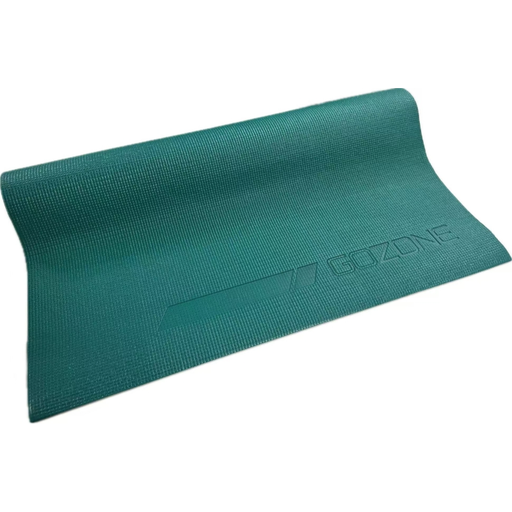
Why This Fits Their Persona: Its 3mm profile and 24 x 68-inch dimensions suit beginners who want a straightforward mat for yoga, Pilates and occasional home or gym sessions.
The embossed surface provides a defined texture rather than relying only on a generic non-slip label. PVC also wipes clean for regular use.
3mm thickness; embossed cushioned PVC surface; suitable for yoga, Pilates and floor workouts.
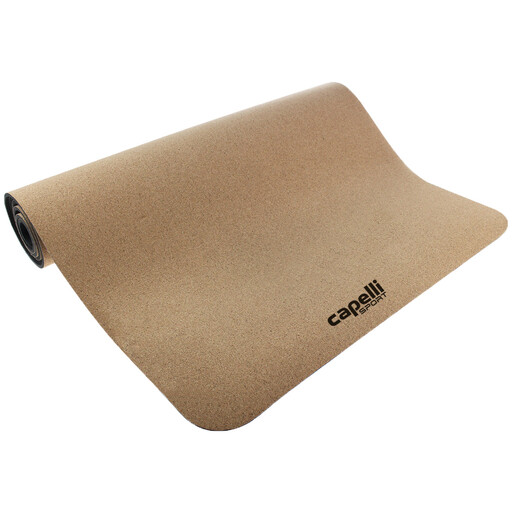
Why This Fits Their Persona: It combines a cork top with a TPE underside for users who want a different surface feel for yoga, stretching, Pilates and heated classes.
The construction identifies both layers, helping shoppers assess the top feel and floor contact instead of judging grip from appearance alone.
5mm thickness; cork and TPE construction; listed for yoga, Pilates, workouts and hot yoga.
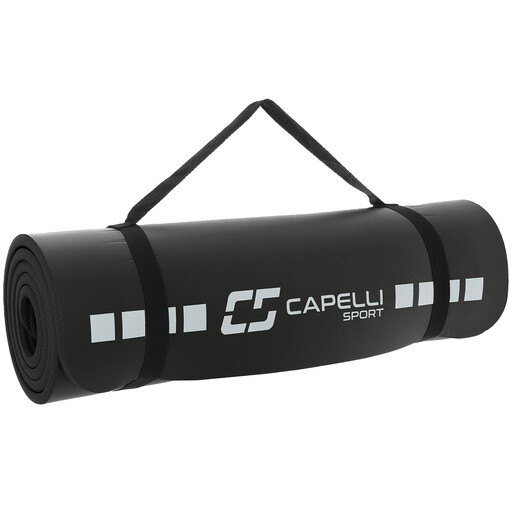
Why This Fits Their Persona: The 1.2cm NBR foam construction is aimed at users prioritising cushioning for fitness training, floor work and general gym workouts.
The thickness and material are clearly specified, while the textured surface addresses the common issue of choosing padding without checking traction.
1.2cm NBR foam; textured non-slip surface; elastic carrying strap included.
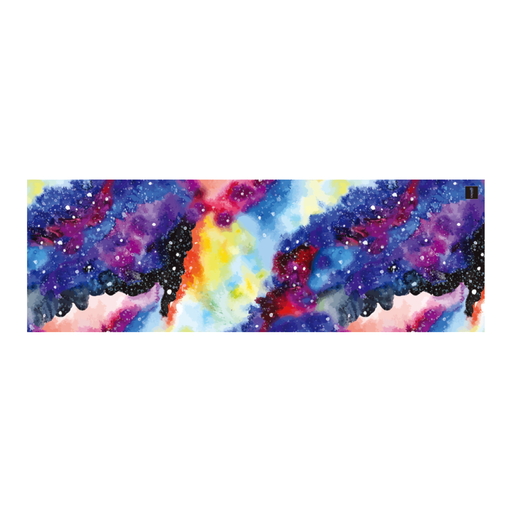
Why This Fits Their Persona: Its thin, foldable format is suitable for studio visits, trips and outdoor sessions where compact storage matters more than thick cushioning.
The product is designed to fold and includes a storage bag, avoiding the inconvenience of carrying a bulky thick yoga mat.
2mm foldable design; suede microfibre surface; natural rubber base; storage bag included.
We have compiled a complete, real-time list of products that fully satisfy these strict selection criteria and UK safety regulations.
Often, a thicker mat provides more cushioning, but comfort depends on the exercise and personal preference. A 6mm yoga mat can balance cushioning and stability, while a 10mm yoga mat offers more padding but may feel less firm during balance poses.
Use it on a dry, level floor free from dust and moisture. Unroll it fully and allow curled edges to settle. Grip can also change with sweat, cleaning residue and wear, so maintain the surface according to the care instructions.
Yes. Many mats are suitable for yoga, Pilates, stretching, core exercises and general floor workouts. For Pilates or exercises involving prolonged kneeling and lying down, compare cushioning, dimensions and rebound rather than choosing solely by the “yoga mat” label.