
24/7 Customer Support

Free returns

Same-day & Next-day Delivery

Quality Guaranteed
Download the APP
Categories
Slipping during a downward dog or losing balance in a warrior pose is more than just frustrating; it can disrupt your flow and undermine your confidence. A reliable, non-slip surface is the foundation of any effective yoga, pilates or home fitness routine. Without it, you spend more time readjusting than focusing on your form.
As a Joybuy Product Recommendation Officer, my role is to help you navigate the options and find products that genuinely support your goals. This guide is designed to cut through the clutter, focusing on the practical features that define a great non-slip yoga mat. We will explore key considerations like thickness and material, and I will share some of our top recommendations to help you find the perfect partner for your practice.
Selecting the right mat involves balancing comfort, stability and portability. Here are a few key factors to consider before making your choice.
The thickness of a mat directly impacts comfort and stability. A very thin mat offers a strong connection to the floor, which some practitioners prefer for balance poses. However, a cushioned floor mat provides essential support for your joints—knees, wrists and spine—especially during floor-based exercises or pilates.
The material is crucial for determining a mat's grip, durability and ease of cleaning. PVC yoga mats are a popular choice because they are highly durable, long-lasting and typically more affordable. The key to their non-slip quality lies in the surface texture. An embossed or textured pattern creates more friction between your hands/feet and the mat, ensuring a secure grip even as you move through different poses.
Consider where you will be using your mat. If you plan to practice exclusively at home, a larger, heavier mat might be suitable. However, if you travel to classes, a portable workout mat that is lightweight and easy to roll up is essential. Standard mats are typically around 68 inches long, but taller individuals may prefer a 72-inch mat for extra space during stretches.
Based on the criteria of grip, durability and user-centric design, here are some standout options to consider for your practice.
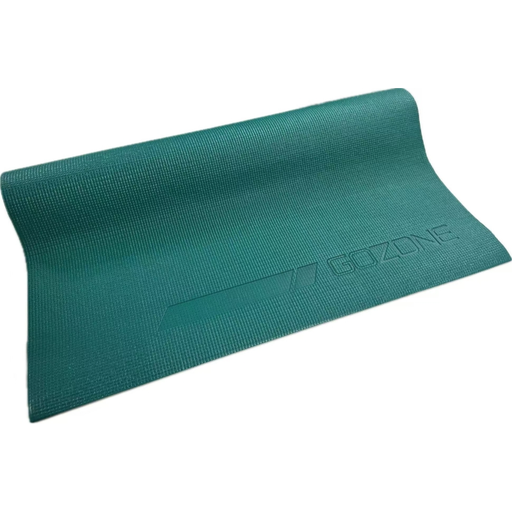
Why It Stands Out: This mat prioritises portability and a direct connection to the floor. At 3mm thick, it is incredibly lightweight and easy to roll up, making it an excellent choice for yogis on the move. The embossed PVC surface provides reliable stability for various training styles.
Pros:
Who is it for? This mat is perfect for practitioners who attend classes outside the home or those who prefer a firmer, more grounded feel during their practice. It is also a great, affordable starting point for beginners.
View the 3MM Yoga Mat on Joybuy.co.uk
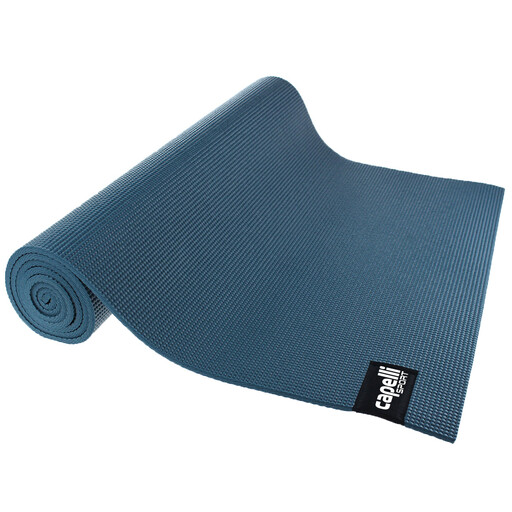
Why It Stands Out: With its 7mm thickness, this mat offers superior cushioning. The firm support is designed to make floor work and intense poses more comfortable by reducing pressure on the joints. Its non-slip coating and generous 72-inch length provide a stable and spacious workout area.
Pros:
Who is it for? This is an ideal pilates mat or exercise mat for those who practice at home and prioritise comfort. It is particularly well-suited for individuals with sensitive knees or wrists who need extra padding.
View the 7MM Memory Yoga Mat on Joybuy.co.uk
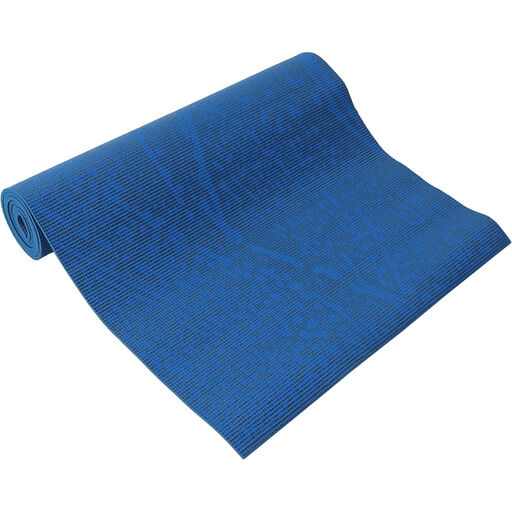
Why It Stands Out: This mat strikes a perfect balance between functionality and style. The 6mm thickness is the industry sweet spot, offering both cushioning and stability. Its durable PVC construction is enhanced with a textured surface for secure footing, while the full-pattern print adds a personal touch to your workout space.
Pros:
Who is it for? This is a versatile, all-around mat for anyone from beginners to intermediate practitioners. It is perfect for those who want a reliable fitness mat for home workout or studio use that performs well across yoga, pilates and stretching.
View the 6MM Print Yoga Mat on Joybuy.co.uk
While a dedicated mat is excellent for focused exercise, you may be looking for broader solutions to create a safe and stable workout zone in your home. For a wider selection of grip-enhancing surfaces for your home gym or studio, explore our full range of anti slip flooring options.
1. How do I stop my yoga mat from slipping on the floor? Ensure the floor beneath your mat is clean and completely dry before you begin. A mat with a textured surface, often found on PVC yoga mats, is designed to grip smooth floors more effectively. If you have particularly slick flooring like polished hardwood or tile, the texture becomes even more important.
2. What is the best thickness for a non-slip yoga mat? The ideal thickness depends on your primary activity and personal preference. A thick yoga mat of 6mm is a versatile choice, balancing cushioning with stability. Thinner mats (around 3mm) are a great portable workout mat option and offer a better feel of the floor, while thicker mats (7mm or more) provide extra joint padding, making them a good choice for a pilates mat or general floor exercises.
3. How do I clean a PVC yoga mat? Most PVC yoga mats are simple to maintain. After your practice, wipe the mat down with a cloth dampened with water and a mild soap. It is important to let the mat air dry completely before rolling it up for storage to maintain its hygienic qualities and surface grip.