
24/7 Customer Support

Free returns

Same-day & Next-day Delivery

Quality Guaranteed

Unlock Your Welcome Offers: FREE Delivery | Up to 80% OFF | Free 30-day JoyPlus trial
Download the APP
A reliable yoga mat is the foundation of any good practice, whether you're flowing through a vinyasa sequence at home or holding a plank during a fitness session. Yet, the market is flooded with options that often fail to deliver on their core promise: stability. Many of us have bought a mat only to find it slipping on the floor or our hands sliding forward in a downward dog. This guide cuts through the clutter to help you identify the key features of a dependable non-slip yoga mat.
Before you invest, it's crucial to recognise a few common purchasing pitfalls that lead to disappointment and wasted money.
To avoid these traps, focus on three non-negotiable parameters. Understanding these will ensure you select a fitness mat for home or studio use that truly supports your practice.
The material of your mat dictates its grip, weight, cushioning and durability.
The right thickness depends entirely on your primary activity and personal needs.
A mat's grip comes from its texture. Look for a mat with a double-sided non-slip design. One side should have a wave-like or patterned texture to grip the floor, while the top surface should have a finer texture to keep your hands and feet securely in place.
Finally, consider how you'll use it. If you plan to take your mat to classes, a lightweight design and an included yoga mat with carry strap are essential for convenience.
Based on these practical criteria, we've matched several products to different user needs. These recommendations focus on mats that deliver on their non-slip promise and offer genuine value.
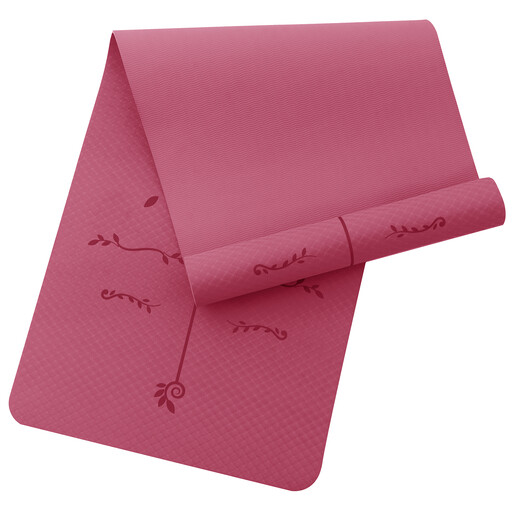
Why This Fits Their Persona: Ideal for those beginning their yoga or home fitness journey. The 6mm thickness provides a balanced foundation for both standing and seated poses, while the alignment lines offer a helpful visual guide for proper form.
It avoids the "thickness trap" by offering a versatile 6mm cushion, and its TPE material construction provides a reliable grip that outperforms cheap PVC mats.
Features printed alignment lines to assist with positioning and includes a yoga mat with carry strap for easy transport and storage.
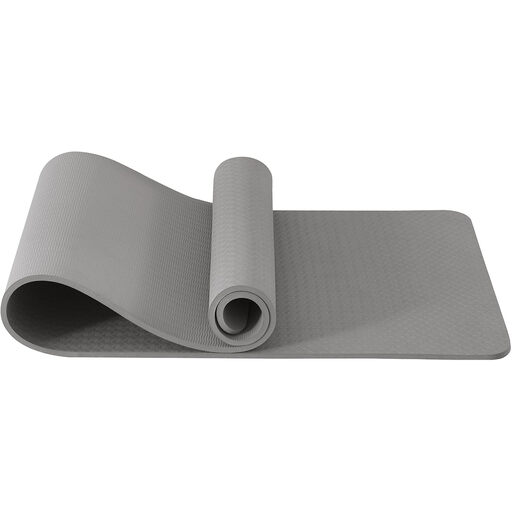
Why This Fits Their Persona: Perfect for those who practice Pilates, stretching or need extra support for sensitive joints. The generous 10mm thickness provides substantial cushioning for the spine, hips and knees on hard floors.
This mat directly solves the "too thin" problem by offering superior cushioning. The high-density TPE material ensures it remains supportive and not overly spongy, maintaining stability.
Its primary benefit is the 10mm cushioned workout mat design for maximum joint protection. The double-sided anti-slip texture ensures a safe and stable workout.
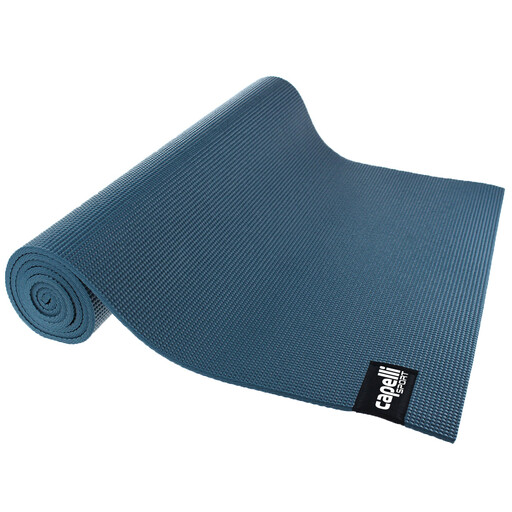
Why This Fits Their Persona: A great option for those who mix yoga with other floor workouts. The 7mm memory foam provides a unique blend of firm cushioning and responsiveness that adapts well to both static holds and more dynamic movements.
This mat's durable PVC memory foam and non-slip coating are designed for everyday use, directly countering the "loss of grip" issue seen in less robust mats during varied fitness routines.
The durable, dry-grip surface provides strong traction for a wide range of activities, from standard yoga to more intense home fitness circuits.
We have compiled a complete, real-time list of products that fully satisfy these strict selection criteria and UK safety regulations.
New TPE mats can have a slight residue from the manufacturing process. To improve the grip, gently wipe the mat down with a damp cloth and a very small amount of mild soap. Rinse with a clean damp cloth and allow it to air dry completely away from direct sunlight. The grip will typically improve further with a few uses.
For some people, it can be. A 10mm yoga mat excels in providing comfort for a Pilates mat or for floor-based stretching where joint protection is paramount. For dynamic yoga styles with many standing balance poses, some practitioners find that the extra cushioning can slightly reduce their sense of connection to the floor. In these cases, a 6mm to 8mm mat might offer a better balance of stability and comfort.
With proper care and regular use (around 2-3 times per week), a quality TPE yoga mat should serve you well for one to two years. Signs of wear, such as thinning, peeling or a loss of grip in high-contact areas (where your hands and feet go in downward dog), indicate it may be time for a replacement. To prolong its life, always roll it up loosely and store it in a cool, dry place.