
24/7 Customer Support

Free returns

Same-day & Next-day Delivery

Quality Guaranteed

Unlock Your Welcome Offers: FREE Delivery | Up to 80% OFF | Free 30-day JoyPlus trial
Download the APP
There are few things more distracting during a workout than an exercise mat that slips and slides beneath you. Whether you're holding a challenging yoga pose, performing a Pilates roll-up or in the middle of a set of planks, a shifting mat can compromise your form and focus. Finding a reliable non-slip yoga mat is fundamental for a safe and effective practice at home or in the studio.
With so many materials, thicknesses and features available, choosing the right one can feel overwhelming. This guide is designed to help you understand the key differences and identify a mat that provides the stability and comfort you need for your fitness routine. We will look at some practical considerations and highlight a few popular options to help you make an informed choice.
Before you decide, it’s helpful to consider a few key factors that influence a mat's performance, comfort and suitability for your specific needs.
The material of a mat is the single most important factor for grip. Different materials offer distinct textures and properties.
The thickness of your mat determines the level of comfort and connection you feel with the floor.
Consider how and where you'll be using your mat. If you plan to take it to classes, a lightweight mat with a workout mat with carrying strap is incredibly convenient. Some mats also come with alignment lines printed on the surface, which can be a useful tool for beginners to check their hand and foot placement.
Here are a few options that cater to different workout styles and preferences, selected for their features and user-focused design.
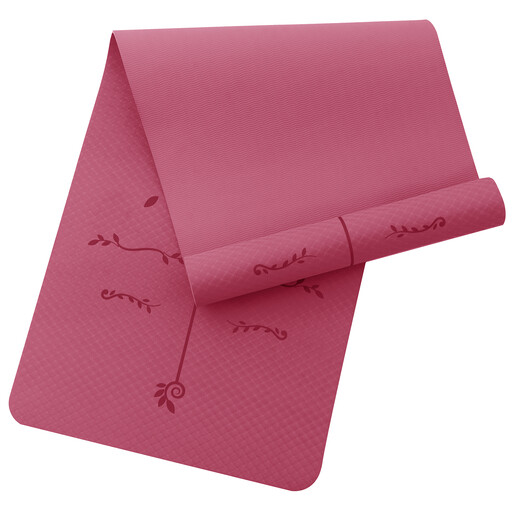
Why It Stands Out: This mat offers a thoughtful combination of features for a well-rounded practice. The 6mm TPE material provides a great balance of cushioning and non-slip performance, while the integrated alignment lines offer a visual guide to help refine your posture.
Pros:
Who is it for?: Yoga and Pilates mat users, from beginners to intermediates, who appreciate guided practice and want a versatile mat that is comfortable and easy to carry to the studio.
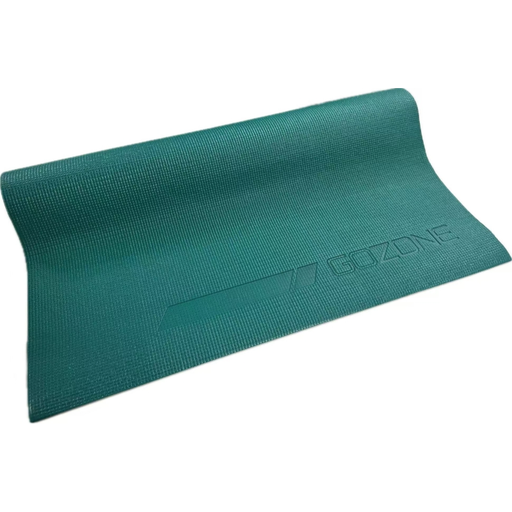
Why It Stands Out: This is a straightforward and durable exercise mat. Its slim 3mm profile is designed for those who prioritise stability and a direct connection with the floor over heavy cushioning. The durable PVC construction is built to withstand regular use.
Pros:
Who is it for?: Individuals looking for a basic, no-frills mat for yoga styles that demand stability (like Ashtanga or Vinyasa) or for general floor workouts where minimal cushioning is preferred.
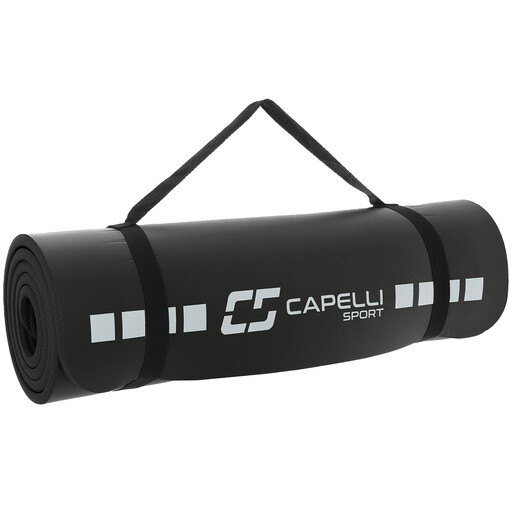
Why It Stands Out: With a substantial thickness of 1.2cm, this mat from Capelli Sport prioritises comfort and joint protection. The NBR foam material provides a soft, cushioned surface that absorbs impact, making it an excellent fitness mat for home workouts.
Pros:
Who is it for?: Anyone seeking maximum cushioning. It's particularly well-suited for Pilates, core exercises and general fitness routines, or for individuals with sensitive knees, hips or spines who need a thick yoga mat.
If our recommendations don't quite match what you're looking for, or if you'd like to browse a wider selection of materials, thicknesses and colours, we have more to see. A great workout starts with the right foundation and we're here to help you find it.
Explore our full collection of pilates and yoga exercise mats to find the perfect fit for your practice.
The material choice depends on your priorities. TPE often provides an excellent balance of grip, lightness and cushioning. NBR is superior for cushioning but can feel less firm. PVC is very durable and affordable but may require a breaking-in period to develop optimal grip.
For sensitive joints, a thick yoga mat of 10mm (1cm) or more is generally recommended. The thick NBR foam provides substantial shock absorption for knees, wrists and the spine during floor exercises, making it a more comfortable option for those who need extra support.
Yes, absolutely. A quality non-slip yoga mat is a highly versatile fitness mat for home. It is perfectly suitable for Pilates, stretching, core exercises like planks and sit-ups and any bodyweight workout that requires a stable, clean and cushioned surface.