
24/7 Customer Support

Free returns

Same-day & Next-day Delivery

Quality Guaranteed

Unlock Your Welcome Offers: FREE Delivery | Up to 80% OFF | Free 30-day JoyPlus trial
Download the APP
Finding the right non-slip yoga mat can feel like a simple task, but many of us have been left disappointed by a purchase that promised much and delivered little. A mat that slips during a downward dog or offers no protection from a hard floor can quickly turn a relaxing session into a frustrating one. As the Joybuy Product Recommendation Officer, my role is to help you navigate the market and find a mat that truly supports your practice, without you falling for common marketing traps.
Before you add any mat to your basket, let's look at the three most common pitfalls that lead to buyer's remorse.
To avoid these issues, focus on a few core specifications. Understanding these will empower you to choose a mat that fits your needs perfectly.
The thickness of a mat, measured in millimetres (mm), is perhaps the most critical factor. It dictates the level of comfort and stability you'll experience.
While mats come in various materials, PVC yoga mat options remain popular for their durability, affordability and ease of cleaning. However, not all PVC is created equal. The key to a genuine non-slip experience lies in the surface finish. Look for a mat with a distinct embossed or textured surface. This texture creates physical friction that maintains grip even when you start to perspire, preventing the "false grip" pitfall.
The standard yoga mat is typically around 68 inches long by 24 inches wide (173cm x 61cm). This is sufficient for most people. However, if you are taller or enjoy more dynamic movements, look for longer mats (72 inches or more) to ensure you stay on the mat throughout your practice.
Based on these practical criteria, here are a few recommendations matched to different user needs.
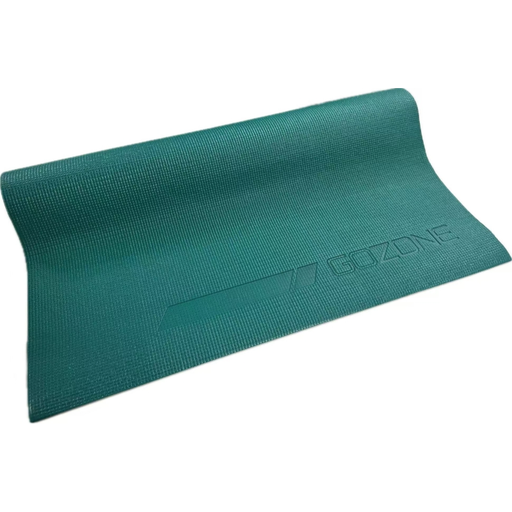
Why This Fits Their Persona: For those just starting a home practice or needing a second mat for travel, this provides a functional, no-frills solution without a significant financial commitment. It's lightweight and easy to store in a small UK flat.
It avoids the "false grip" trap with its embossed PVC surface, which offers reliable stability for basic poses. Its 3mm thickness is a deliberate feature for portability, not a hidden flaw.
Extremely lightweight and portable. The durable PVC is easy to wipe clean after a session.
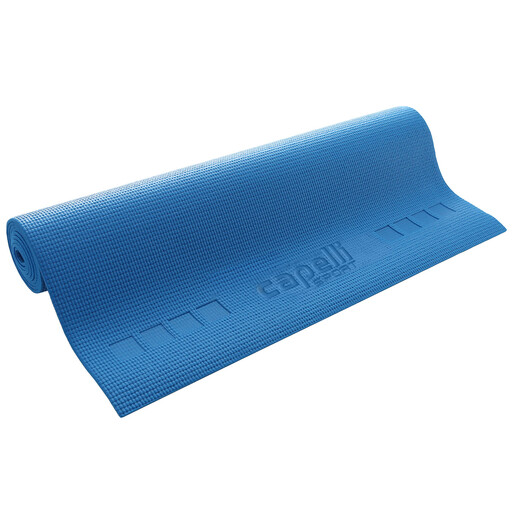
Why This Fits Their Persona: This is for the person who does a bit of everything: a morning yoga flow, an afternoon Pilates session and evening core exercises. They need one reliable mat that can handle it all.
It directly counters the "one-size-fits-all" myth by being a genuinely versatile all-rounder. The 4mm thickness is a deliberate choice for balancing cushion and stability, making it a true multi-purpose mat.
The ideal balance of comfort and support for varied workouts. Its embossed surface provides dependable grip for yoga and Pilates.
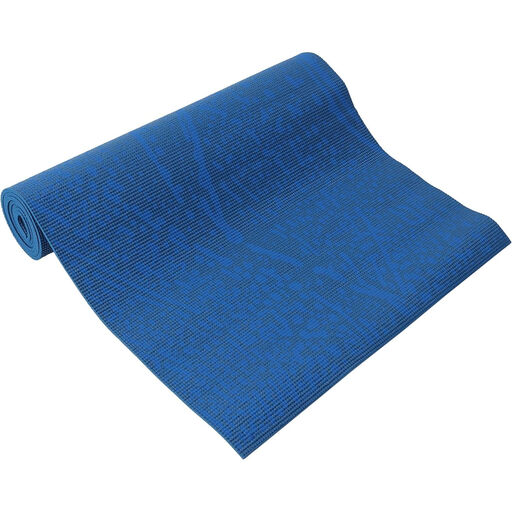
Why This Fits Their Persona: Perfect for those who practice on very hard floors or have sensitive joints. The extra cushioning supports the body during long holds, restorative poses or demanding Pilates routines. The extra length (72") is a bonus for taller users.
This mat directly solves the "paper-thin" false economy pitfall. The 6mm thickness is a primary feature, providing substantial, reliable cushioning that protects the body during any floor-based exercise.
Superior cushioning for joint protection. The textured PVC surface ensures it remains a non-slip mat, even with the extra padding.
We have compiled a complete, real-time list of products that fully satisfy these strict selection criteria and UK safety regulations.
New PVC mats often have a thin, harmless film from the manufacturing process that can feel slick. To remove it, simply wipe the mat down with a damp cloth and a very mild soap solution. Rinse with a clean, damp cloth and allow it to air dry completely before your first use. This "breaking-in" process will significantly improve the grip.
Not necessarily. While a thick yoga mat (6mm or more) is excellent for cushioning joints in floor poses, it can make balancing poses more difficult as your hands and feet may sink slightly, creating instability. For a practice that includes a mix of standing and seated poses, a 4mm or 5mm mat often provides the best of both worlds: enough cushion for comfort and enough firmness for balance.
With regular use (2-3 times per week) and proper care, a quality PVC mat should last for one to two years. You'll know it's time for a replacement when you see signs of wear like flaking, peeling or a noticeable loss of grip and cushioning. Storing it rolled up and away from direct sunlight will help prolong its life.