
24/7 Customer Support

Free returns

Same-day & Next-day Delivery

Quality Guaranteed

Unlock Your Welcome Offers: FREE Delivery | Up to 80% OFF | Free 30-day JoyPlus trial
Download the APP
Finding a reliable non-slip yoga mat can feel like a workout in itself. You are looking for something to support your home fitness routine, whether it is for daily yoga, a strenuous Pilates session, or just some floor stretches. Yet, the market is flooded with options that often fail to deliver on their promises, leading to frustration and wasted money.
As the Joybuy Product Recommendation Officer, my role is to help you navigate these choices. We will look past the marketing hype and focus on the practical features that truly matter. Before you add any mat to your basket, let’s discuss the common pitfalls that many UK shoppers encounter.
To avoid these issues, focus on a few key specifications. Understanding these will help you select a durable and effective exercise mat for home or gym use that meets your needs.
The thickness of a mat, measured in millimetres (mm), directly impacts your comfort and stability. There is no single "correct" thickness; it depends on your primary activity.
The material dictates the mat's grip, durability and ease of cleaning. PVC (Polyvinyl Chloride) is a common and practical choice known for its durability and resistance to tearing.
Crucially, look for a mat with an embossed or textured surface. This physical pattern is what provides the mechanical grip needed to hold your hands and feet in place, especially during more dynamic movements. A smooth, untextured surface is more likely to become slippery. PVC is also non-absorbent, making it simple to wipe clean after use.
Standard yoga mats are typically around 24 inches wide, but lengths can vary. A common length is 68 inches (173 cm), which is suitable for most people. However, if you are taller, or if you prefer more room to stretch out, look for a longer mat of 72 inches (183 cm) or more. A properly sized mat ensures you are not constantly readjusting or finding your feet and hands slipping off the edges.
Based on these practical criteria, we have matched several products to different user needs. This is not a "best of" list, but a guide to help you find the right fit for your specific practice.
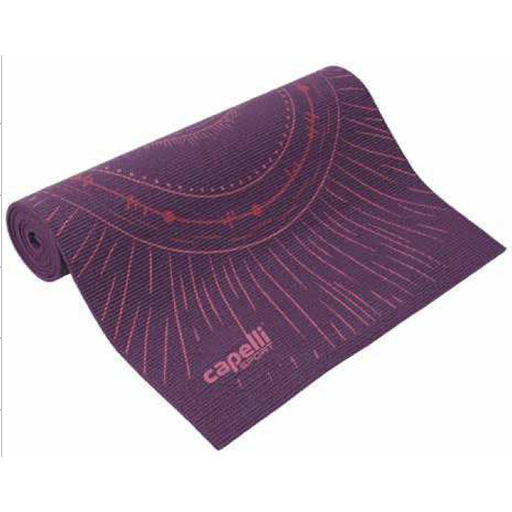
Why This Fits Their Persona: For those who practise yoga or Pilates frequently at home and want a blend of comfort, function and style. The extra length and cushioning support a wide range of exercises, from floor work to standing poses.
The 6mm thickness directly counters the "cushioning illusion," providing genuine joint support. Its durable PVC construction is designed to resist the peeling and tearing common in lower-quality mats.
Excellent cushioning for comfort during floor exercises. The embossed surface provides reliable grip, and the attractive full-pattern design makes it a pleasant addition to a home workout space.
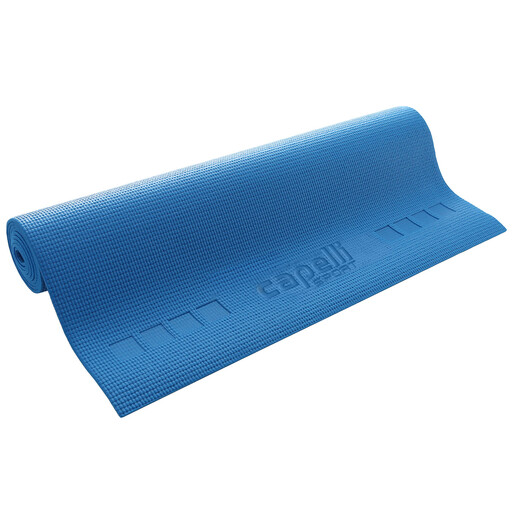
Why This Fits Their Persona: Ideal for someone who needs a multi-purpose gym floor mat. It's suitable for yoga, but also for ab crunches, stretching and general fitness, offering a balance between floor-feel and cushioning.
The 4mm thickness is a functional middle ground, avoiding the "too thin" trap while still providing good stability. The embossed PVC surface directly addresses the "grip deception," ensuring a secure footing.
A great all-rounder mat that balances stability and comfort. Its durable, easy-to-clean surface makes it a low-maintenance choice for regular use at home or in the gym.
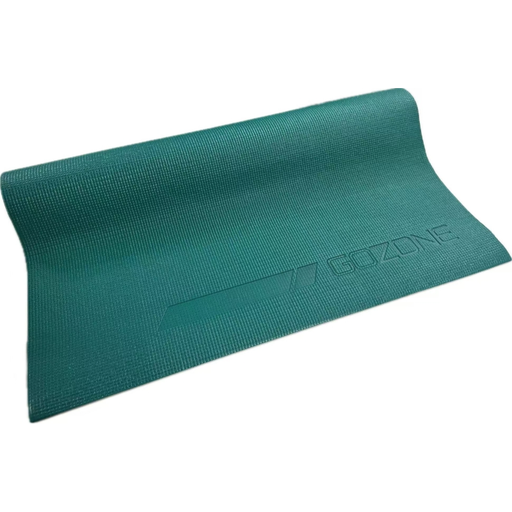
Why This Fits Their Persona: Perfect for beginners or those on a tight budget who need a functional mat for light yoga or stretching. It provides the essential non-slip surface without the cost of thicker, premium options.
While thin, its purpose is clear: stability over cushioning. It avoids the durability trap by using a reliable PVC material with an embossed texture that provides grip, unlike cheap, smooth mats that fail quickly.
Very lightweight and portable, making it easy to take to a class. Offers excellent value and provides the necessary grip for starting a yoga or fitness practice safely.
We have compiled a complete, real-time list of products that fully satisfy these strict selection criteria and UK safety regulations.
Cleaning a PVC mat is straightforward. After your session, simply wipe it down with a damp cloth and a small amount of mild soap. Rinse with a clean, damp cloth to remove any soap residue. It is important to let the mat air dry completely before rolling it up for storage to prevent any moisture build-up. Avoid using harsh chemical cleaners or putting it in a washing machine.
This is a common concern. While a 6mm yoga mat offers more cushioning, a high-quality one with a firm density and a textured surface still provides a stable foundation for standing poses. You may notice a slight difference if you are used to a very thin mat, but most people find the added comfort for floor work to be a worthwhile trade-off. It provides a great balance for a varied practice that includes both standing and seated postures.
With proper care, a durable PVC pilates mat or yoga mat should last for several years of regular use. The key is to choose one made from a sturdy material that resists peeling and tearing. Wiping it down after use and storing it away from direct, prolonged sunlight will significantly extend its lifespan. You will know it is time for a replacement when you see visible signs of wear, such as flaking, or if the mat starts to lose its grip.