
24/7 Customer Support

Free returns

Same-day & Next-day Delivery

Quality Guaranteed

Unlock Your Welcome Offers: FREE Delivery | Up to 80% OFF | Free 30-day JoyPlus trial
Download the APP
A non-slip yoga mat should provide dependable contact with the floor without becoming uncomfortable, difficult to clean or too bulky to carry. Yet product listings often use phrases such as “strong grip”, “sweat proof” and “cushioned” without explaining how the mat will perform in a real UK home, gym or studio.
Three common buying pitfalls deserve attention:
The right choice depends on your routine, the floor beneath you and how much portability matters.
Thickness is usually measured in millimetres. A 3mm yoga mat offers a closer connection to the floor and is often easier to roll and transport. It can suit users who prioritise balance, compact storage or a gym yoga mat that travels regularly.
A 4mm to 6mm mat provides a practical middle ground for yoga, Pilates and general fitness. A 6mm cushioned yoga mat can make floor-based movements more comfortable on hard flooring while remaining manageable for home or studio use.
A 7mm thick yoga mat offers additional padding for stretching, ab work and exercises involving the knees, hips, elbows or back. However, extra cushioning can slightly reduce floor feedback during standing poses. If stability is more important than softness, compare the surface grip and firmness as well as the thickness.
A non-slip surface may be created through embossing, texturing or a separate coating. These features can help reduce movement during standing poses, Pilates and floor workouts, but they are not a substitute for a clean, dry floor.
For a yoga mat with strong grip, check whether the product description refers to dry traction, a non-slip coating or a textured finish. Users who perspire heavily should also consider a sweat-resistant yoga mat, but treat “sweat proof” as a product description rather than a guarantee that slipping is impossible.
Cork yoga mats can feel different from PVC or TPE. The cork top on the listed 5mm mat is designed to become easier to grip when slightly damp or warm, making it suited to hot yoga routines. Nevertheless, wipe away excess moisture and follow the care instructions rather than relying on dampness alone.
PVC yoga mats are commonly selected for their durable, wipe-clean construction. The listed PVC options have embossed surfaces and are intended for yoga, Pilates, fitness and floor exercises. PVC can be practical for frequent home workouts, but users should avoid prolonged exposure to direct sunlight and extreme temperatures.
TPE yoga mats are often paired with cork in two-layer designs. The 5mm cork and TPE mat combines a cork upper surface with a TPE underside. If you are specifically seeking environmental credentials, check for independently stated certifications rather than assuming that terms such as “eco-friendly” establish a formal standard.
Length and width also affect usability. Many options measure around 24 inches wide, while length varies from 68 to 72 inches. Taller users or those who move frequently during floor exercises may prefer the longer format. Before purchase, measure your available storage space and the area where the mat will be used.
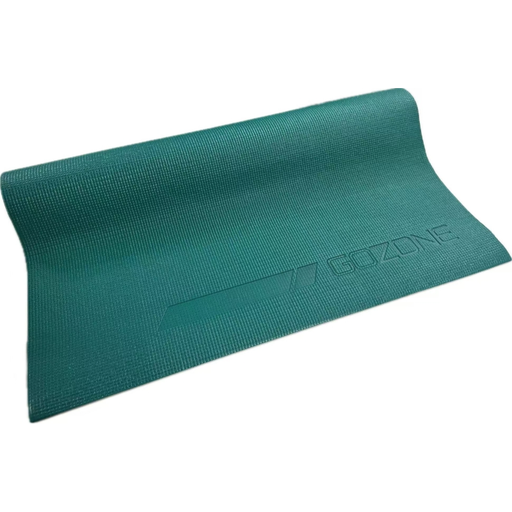
Why This Fits Their Persona: A straightforward option for beginners starting yoga, Pilates or floor workouts at home, particularly where easy storage and a closer floor connection are priorities.
Its 3mm specification makes the cushioning level clear, helping buyers avoid paying for thickness they may not need.
PVC construction; embossed surface; 24 x 68-inch format; wipes clean with a damp cloth and mild soap.
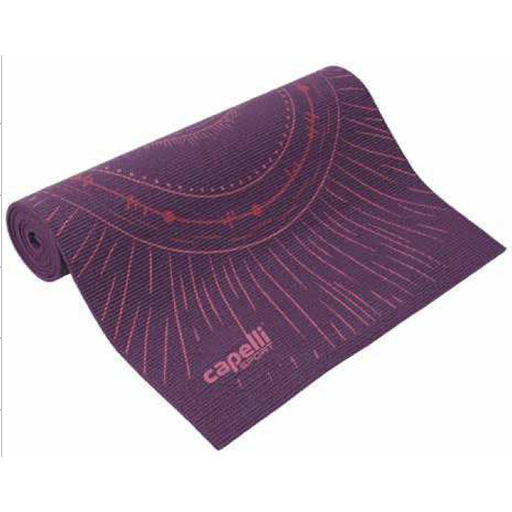
Why This Fits Their Persona: Suitable for regular users who want a longer, cushioned mat for yoga, Pilates, stretching and home or gym exercise.
The 6mm thickness and embossed surface are stated clearly, so cushioning and traction can be weighed against balance needs.
PVC material; 24 x 72-inch size; cushioned embossed surface; full-print design; wipe-clean care.

Why This Fits Their Persona: Designed for users who regularly practise heated yoga, dynamic flows or mixed workouts and want a cork surface with a TPE underside.
Its two-layer construction and moisture-related care considerations are specified, rather than presenting grip as universal in every condition.
5mm thickness; natural cork top; TPE underside; listed for yoga, Pilates, stretching and hot yoga routines.
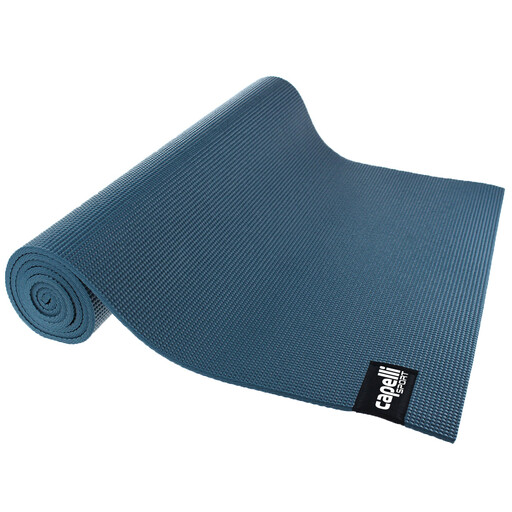
Why This Fits Their Persona: A 7mm format is suited to users who prioritise cushioning for floor workouts, stretching, Pilates and exercises involving pressure on joints.
The product specifies both its thickness and non-slip coating, allowing buyers to distinguish cushioning from grip.
7mm PVC construction; 72 x 24-inch size; firm cushion support; non-slip coating for yoga and fitness use.
We have compiled a complete, real-time list of products that fully satisfy these strict selection criteria and UK safety regulations.
Before each session, place the mat on a clean, dry and level surface. A textured underside may improve stability, but it cannot compensate for dusty flooring, loose rugs or uneven surfaces. Avoid using a yoga mat under heavy equipment, and stop using it if it develops significant tears, peeling or other damage.
For routine cleaning, use a damp cloth and mild soap where permitted by the product instructions. Allow the mat to air dry completely before rolling it up. Store it away from prolonged direct sunlight, radiators and open flames. During hot yoga or sweaty workouts, use caution if moisture accumulates and consider a separate towel designed for exercise mats.
There is no universal replacement schedule. Lifespan depends on frequency of use, body weight, floor type, cleaning and storage. Replace a mat when the surface loses reliable traction, the material becomes uneven or damaged areas affect your footing.
Usually, additional thickness provides more padding on hard floors, but comfort also depends on firmness and the type of exercise. A 6mm or 7mm mat may suit kneeling and floor-based workouts, while a 3mm or 4mm mat can offer more stability for balance-focused poses.
Yes. Many mats are designed for several activities, including Pilates, stretching, ab exercises and general floor workouts. Check the stated dimensions, thickness and surface texture to ensure they suit your routine.
Use it on a dry, level floor free from dust and loose coverings. Unroll it fully and allow curled edges to settle. Clean the surface regularly, and do not assume that a non-slip coating will remain effective when the mat or floor is wet.