
24/7 Customer Support

Free returns

Same-day & Next-day Delivery

Quality Guaranteed

Unlock Your Welcome Offers: FREE Delivery | Up to 80% OFF | Free 30-day JoyPlus trial
Download the APP
A non-slip yoga mat should give you dependable contact with the floor, enough cushioning for comfortable movement and a surface that remains practical to clean. Yet product listings can make comparison difficult. Terms such as “extra grip”, “memory foam” and “eco-friendly” do not always explain how a mat will behave in a UK home, gym or studio.
Before buying, check the construction, measurements and care instructions rather than relying on promotional wording. The right choice depends on whether you prioritise portability, joint cushioning, standing stability or regular high-sweat workouts.
Embossing, granules and printed textures can improve contact between your hands, feet and the mat. However, moisture, sweat, dust or a smooth floor underneath can still affect stability. Product safety information should be read carefully: the surface may become slippery when wet, particularly during hot yoga or intense exercise.
Place your mat on a clean, dry and level surface. A non-slip yoga mat is designed to support stability, not to remove the need for careful positioning and controlled movement.
A thick yoga mat may feel comfortable during kneeling, stretching and floor-based exercises, but excessive softness can make balancing poses feel less stable. A thinner mat may offer closer contact with the floor, although it provides less cushioning for knees, hips, elbows and the spine.
Thickness should match your routine:
The listed dimensions matter too. Many mats are approximately 24 inches wide and 68–72 inches long, or around 61cm by 183cm. Taller users or people who move through extended poses may prefer the longer option.
PVC yoga mats are commonly chosen for their wipe-clean surface, structured feel and resistance to everyday wear. They can be a sensible option for home workouts and gym use, but buyers should check cleaning instructions and avoid prolonged exposure to direct sunlight or extreme temperatures.
TPE yoga mats are generally flexible and lightweight, with a soft feel and quick rebound. Material descriptions should not automatically be treated as environmental certification. If sustainability is important, look for specific, verifiable certification details rather than relying only on general wording.
Also check whether the mat includes a carry strap. A yoga mat with carry strap can be more convenient for commuting to a studio, gym or class, but it may add little value if the mat will remain at home.
Look for an embossed, textured or double-sided surface, and consider where you will use the mat. A home floor may require a different underside from a studio floor. If you practise hot yoga, keep a towel available and allow the mat to dry fully after use. No surface should be treated as a substitute for a dry, stable setup.
Cushioning is particularly relevant for Pilates, stretching, ab exercises and movements where your knees or back contact the floor. A 6mm yoga mat or 7mm cushioned yoga mat can provide a balanced feel for mixed routines. A 10mm yoga mat gives more padding, but it may feel less direct during balance work.
A mat that remains compressed, curls at the edges or develops tears can become inconvenient and potentially unsafe. Inspect the surface and edges regularly, and discontinue use if there is excessive wear or damage.
Most of the products below can be wiped with a damp cloth and mild soap. Allow the mat to air dry completely before rolling it up. Avoid machine washing unless the manufacturer specifically permits it. Store it away from open flames, excessive heat and prolonged direct sunlight.
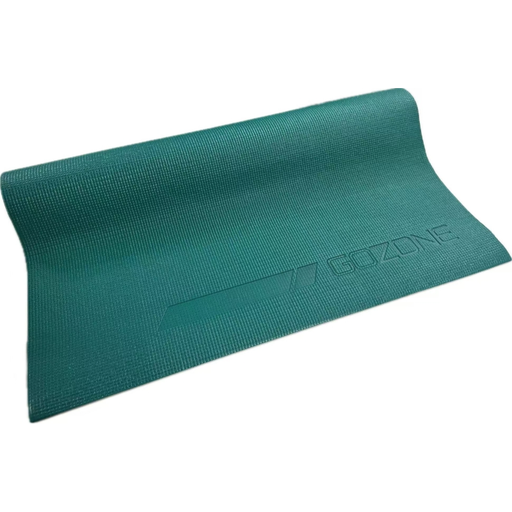
Why This Fits Their Persona: Its 68 x 24-inch format suits beginners building a simple home yoga or Pilates routine, especially when easy everyday storage matters.
The 3mm thickness avoids paying for more padding than a beginner may need, while the embossed PVC surface provides a textured contact area.
PVC construction; wipe-clean care; suitable for yoga, Pilates, core work and floor exercises.
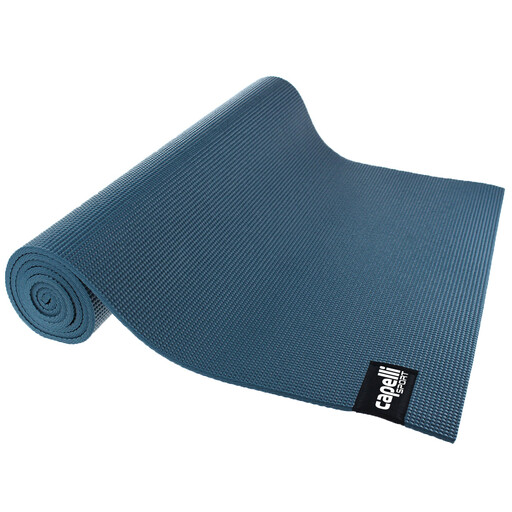
Why This Fits Their Persona: Regular users wanting a cushioned yoga Pilates mat for home fitness, gym sessions and floor workouts may prefer its 7mm format.
The stated thickness and non-slip coating are clearer buying points than an unsupported grip slogan, although the mat still needs a dry, level floor.
7mm PVC cushioning; 72 x 24-inch stated size; designed for standard or hot yoga, Pilates and floor workouts.
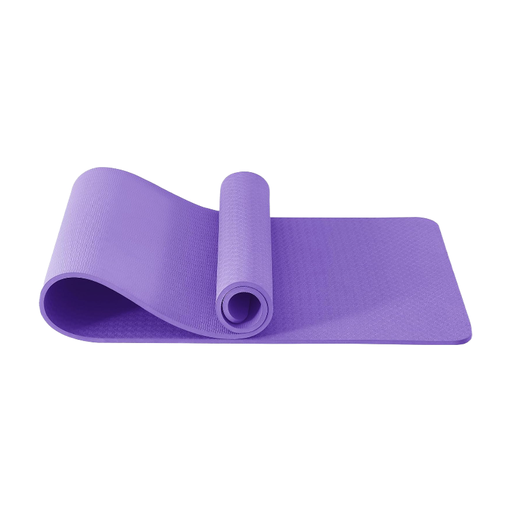
Why This Fits Their Persona: Users prioritising extra padding for gymnastics, stretching, Pilates, floor workouts or frequent transport may value the thicker format and included strap.
The specification states 10mm thickness, double-sided textured surfaces and water- and sweat-resistant features, rather than relying on thickness alone.
High-density TPE; 183 x 61cm dimensions; double-sided texture; carry strap included.
We have compiled a complete, real-time list of products that fully satisfy these strict selection criteria and UK safety regulations.
Not always. A 10mm yoga mat can provide additional cushioning, but its softer surface may feel less stable for some standing and balance positions. A 3mm, 4mm, 6mm or 7mm option may offer a more direct connection with the floor. Choose based on your full routine rather than thickness alone.
Unroll it on a clean, dry, level floor and remove dust from both the mat and the floor. Do not use it when wet. After exercise, wipe it with mild soap and water where permitted, then let it dry completely before storage. Check that corners lie flat before beginning.
Lifespan depends on frequency of use, body weight, surface friction, cleaning and storage. Regularly inspect for peeling, fading, tears, permanent compression or loss of texture. Replace the mat if damage affects stability or comfort, rather than judging its condition only by its age.