
24/7 Customer Support

Free returns

Same-day & Next-day Delivery

Quality Guaranteed

Unlock Your Welcome Offers: FREE Delivery | Up to 80% OFF | Free 30-day JoyPlus trial
Download the APP
From a simple tray of biscuits to an elaborate tiered cake, the right non-stick bakeware is the unsung hero of any home kitchen. Yet, many of us have felt the frustration of a brand-new pan that warps on its first use, or a "miracle" coating that scratches and flakes after just a few months. The market is filled with promises, but the reality often falls short, leaving you with sticky messes and disappointing bakes.
As a Joybuy Product Recommendation Officer, my role is to help you navigate these choices. Before you invest in new cake tins or roasting tins, it's crucial to understand the common pitfalls that lead to buyer's remorse.
To ensure your next purchase is a lasting one, focus on these core parameters instead of marketing hype.
The material of your bakeware dictates its performance, from heat distribution to ease of use.
Not all non-stick surfaces are created equal. A quality coating is the difference between a pan that lasts for years and one that's unusable after a season.
Small design details can have a big impact on usability and longevity.
Instead of a one-size-fits-all approach, we've matched some standout options to the people who will get the most out of them.
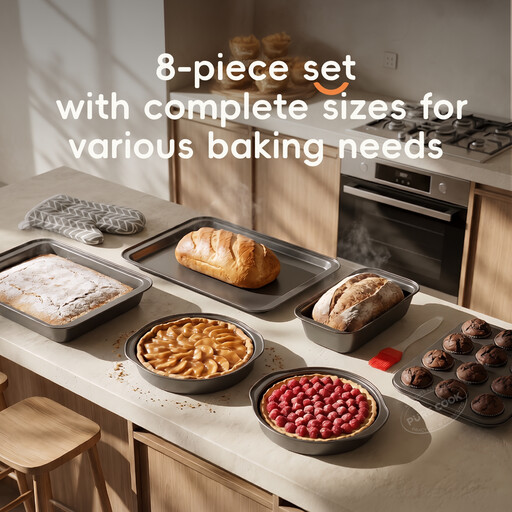
Why This Fits Their Persona: Perfect for families or hobby bakers who enjoy trying a bit of everything. This set covers brownies, square cakes, traybakes and even savoury dishes like meat pies, providing a great foundation without cluttering the kitchen.
This set directly counters the "impractical set syndrome." Instead of random shapes, it provides a cohesive collection of genuinely useful square and rectangular pans in various sizes that are versatile for both sweet and savoury baking.
The carbon steel construction ensures even heat distribution for consistent results, while the non-stick coating helps beginners achieve a clean release, building confidence.
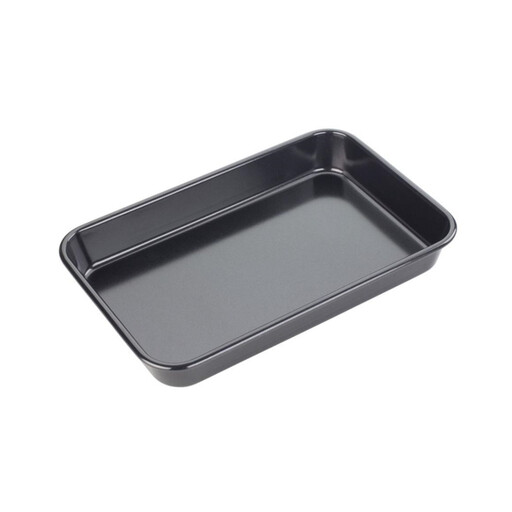
Why This Fits Their Persona: For the cook who relies on their equipment week in, week out. This is for the Sunday roasts, the batch-roasted vegetables and dishes that demand robust, reliable performance without fail.
It tackles the "warping weakness" head-on. The use of robust, 1mm+ heavy-weight carbon steel provides exceptional rigidity, preventing the pan from buckling even under high oven heat. The premium double-layer coating also resists flaking.
Its advanced Whitford Eclipse non-stick coating is durable enough to be described as safe for use with metal utensils. The clever pouring lip is a practical feature for making gravies or draining fat.
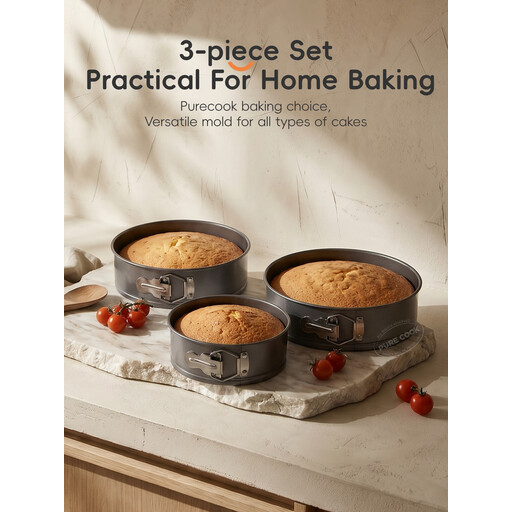
Why This Fits Their Persona: This is for the baker who specialises in cheesecakes, delicate mousse cakes or any recipe that requires a water bath and a flawless release. The different sizes are perfect for creating tiered cakes for special occasions.
It solves a common flaw in cheap springform cake tins: leakage. The adjustable metal buckles are designed to lock the seams tightly, making them suitable for water-bath baking without the need for wrapping the pan in foil.
The quick-release buckle mechanism allows for true tool-free demoulding, preserving the delicate shape of the cake and preventing cracks or damage during removal.
We have compiled a complete, real-time list of products that fully satisfy these strict selection criteria and UK safety regulations.
The lifespan of non-stick bakeware depends heavily on the quality of the material, the coating and how it is cared for. A high-quality, heavy-gauge carbon steel pan with a double-layer coating can last for many years with proper use (avoiding metal utensils, high-heat broiling and abrasive cleaning). Budget options with thin coatings may only last a year or two with regular use.
As a general rule, it is best to avoid metal utensils as they can scratch and degrade most non-stick coatings. Silicone, nylon or wooden tools are much safer. Some premium, multi-layer coatings (like the Whitford Eclipse mentioned on some Tala products) are marketed as being metal-utensil safe due to their enhanced durability, but using softer utensils will always help prolong the life of your pan.
Neither is universally "better"—they simply excel at different tasks. Carbon steel is superior for achieving even browning and a crisp finish, making it the go-to for roasting, bread and most cakes. Silicone is excellent for its flexibility and easy release, which is particularly useful for intricately shaped moulds, muffins or frozen desserts. Many serious bakers keep both types in their collection.