
24/7 全天候客户支持

免费退货

当日/次日达

品质保障

开启新人专享福利: 全场免邮 | 低至 2 折 | 免费试用 30 天 JoyPlus 会员
下载 Joybuy
There are few kitchen frustrations greater than pulling a perfectly golden batch of cookies from the oven, only to have them stick, break and tear on the pan. A warped, unreliable oven tray can turn a joyful baking session into a cleanup chore. The right non-stick baking tray not only releases food effortlessly but also cooks it evenly, delivering consistent results whether you're roasting vegetables or baking a delicate sheet cake.
Navigating the world of non-stick bakeware can be confusing. With varying materials, coatings and thicknesses, it’s hard to know what truly matters. This guide is designed to cut through the clutter, helping you understand the key features to look for so you can choose a tray that meets your cooking needs and stands the test of time.
Before diving into our recommendations, here are a few key considerations to keep in mind when selecting a non-stick baking tray.
The material of your roasting tin or baking sheet directly impacts how evenly it heats and cooks your food.
Carbon steel bakeware heats up quickly and evenly, helping to achieve consistent browning. Thicker, heavier gauge carbon steel is also highly resistant to warping at high temperatures, making it a reliable option for a heavy duty baking tray.Not all non-stick surfaces are created equal. A quality coating is crucial for both performance and durability. Look for trays with multi-layer coatings, which tend to be more robust and resistant to scratches. Some premium coatings are even designed to be safe for use with metal utensils, though using silicone, wood or nylon tools is always a good practice to extend the life of your bakeware. Also, check if the tray is a dishwasher safe oven tray if easy cleanup is a priority for you.
A tray's thickness, often measured in millimetres (mm), is a key indicator of its quality. Thicker trays (around 0.8mm to 1.0mm) are less likely to buckle or warp in the oven's high heat. This ensures the tray remains flat, providing a stable surface for even cooking. Consider a baking tray set if you often cook multiple dishes at once or need different sizes for various recipes, from a large cookie sheet to a smaller tray for side dishes.
Here are our recommendations for non-stick bakeware, selected to suit a range of home cooking and baking needs.
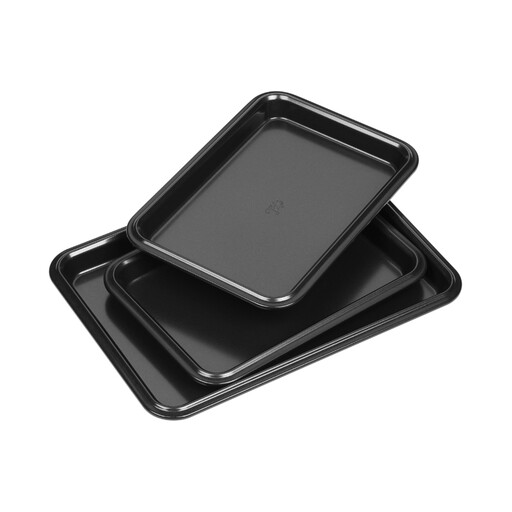
Why It Stands Out: This baking tray set is built for those who take their cooking seriously. Constructed from commercial-grade, 1.0mm thick carbon steel, these trays are exceptionally robust and designed to prevent warping. The standout feature is the superior Whitford Eclipse double-layer non-stick coating, which provides outstanding food release and is durable enough to be considered metal-utensil safe.
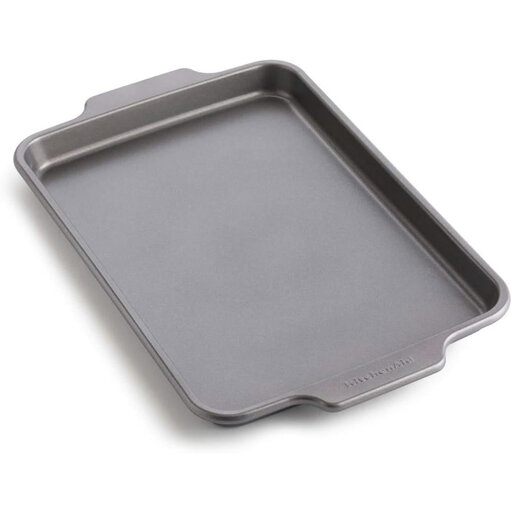
Why It Stands Out: This cookie sheet from KitchenAid is a dependable workhorse for everyday baking. Made from 0.8mm thick aluminised steel, it offers a great combination of even heat distribution and structural rigidity. The durable non-stick finish ensures cookies, biscuits and traybakes slide off with ease, and its dishwasher-safe status makes cleanup straightforward.
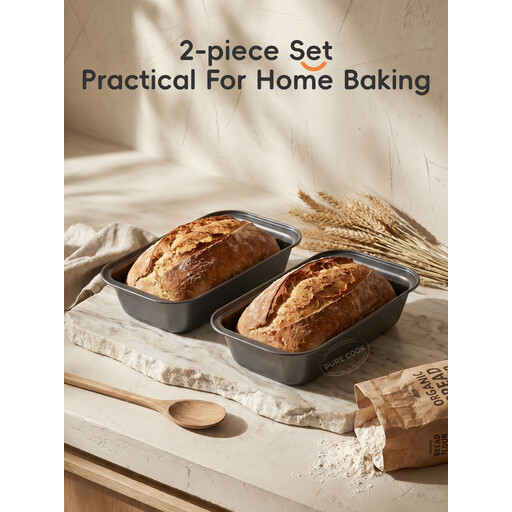
Why It Stands Out: For those who specialise in bread and loaf cakes, this loaf tin set offers features tailored specifically for the job. Made from thickened food-grade carbon steel, these moulds are designed for excellent and even heat conductivity, producing bread with a uniform crust and a tender crumb. The smooth inner walls and non-stick coating allow for clean demoulding without the need for extra oil or paper.
If our top recommendations aren't quite the right fit, or if you're searching for different sizes, shapes or specialised pans, there are many other choices available. Explore our broader collection to find the perfect piece of bakeware for your kitchen.
Explore our full range of Metal Food Trays here
To prolong the life of your non-stick surface, it's best to wash it by hand with a soft sponge and warm, soapy water. Avoid using abrasive scourers or harsh detergents. While some trays are dishwasher safe, hand washing is gentler on the coating. Always allow the tray to cool completely before washing to prevent thermal shock, which can damage the pan over time.
The terms are often used interchangeably, but there is a technical difference. A baking sheet or oven tray typically has a rimmed edge on all four sides, making it ideal for roasting vegetables or cooking anything that might release juices. A cookie sheet often has one or more flat, rimless sides, which makes it easier to slide cookies off after baking. However, most modern "cookie sheets" are simply rimmed baking sheets.
Generally, it is not recommended, as metal can scratch and damage most non-stick coatings. However, some modern, high-end bakeware, like the Tala Performance set mentioned above, features advanced, multi-layer coatings that are durable enough to withstand occasional use of metal utensils. For most non-stick pans, it is safest to use silicone, nylon or wooden tools.