
24/7 Customer Support

Free returns

Same-day & Next-day Delivery

Quality Guaranteed

Unlock Your Welcome Offers: FREE Delivery | Up to 80% OFF | Free 30-day JoyPlus trial
Download the APP
A perfect cake starts long before you mix the batter. It begins with the right equipment. Yet, many home bakers in the UK find their enthusiasm dampened by a common culprit: the unreliable cake tin. A cake that sticks, bakes unevenly or comes out of a warped tin is a frustrating experience. The market is filled with promises of "flawless release" and "professional results," but the reality is often a peeling coating and a wobbly base after just a few uses.
As the Joybuy Product Recommendation Officer, my role is to help you navigate these choices. We will look past the marketing hype and focus on the practical features that separate a dependable piece of non stick bakeware from one destined for the back of the cupboard. Let's identify the common pitfalls to ensure your next bake is a success.
To avoid these issues, focus on a few core parameters. Understanding these will empower you to choose a tin that performs reliably for years to come.
The foundation of any good cake tin is its material. Carbon steel bakeware is a popular choice for good reason. It offers excellent heat conduction, meaning the entire tin heats up evenly, preventing burnt edges and undercooked centres. Look for tins described as having a medium to heavy gauge; this thickness is your primary defence against warping under high oven temperatures. While lighter aluminium tins heat up quickly, they are often more prone to denting and warping if not constructed to a high standard.
An easy release cake tin lives and dies by its coating. The key is durability. While many brands have proprietary names for their coatings, the important factors are its application and composition. A multi-layer coating is generally more robust. For peace of mind, check that the product is free from chemicals like PFOA and PFOS. To preserve any non-stick surface, always avoid using metal utensils, sharp knives or abrasive scouring pads. Gentle hand washing, even for dishwasher-safe items, will significantly extend the life of the coating.
The mechanism of the tin should match what you plan to bake.
Based on these practical criteria, we have matched a few standout options to different types of bakers.
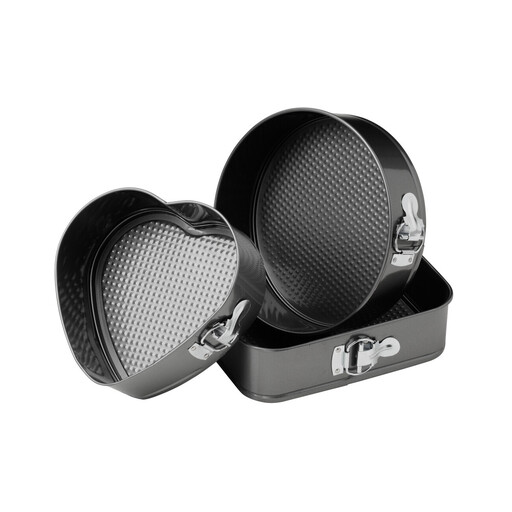
Why This Fits Their Persona: For those who bake for birthdays, holidays or the occasional weekend treat, this set provides excellent value and flexibility. You get three different shapes without having to buy and store three separate, bulky tins.
This set directly counters the "One-Size-Fits-None" trap by offering round, square and heart shapes, preparing you for a variety of occasions from the outset.
The springform mechanism across all three tins makes them suitable for delicate cakes, while the carbon steel construction aids in even baking.
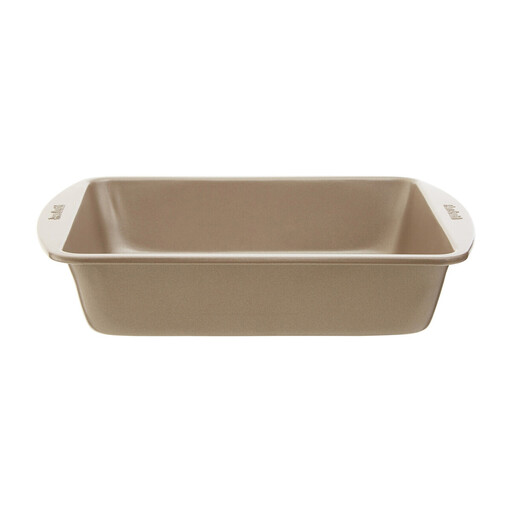
Why This Fits Their Persona: Ideal for bakers who rely on one go-to tin for brownies, parkin and school-fete traybakes. This is a no-fuss, single-purpose tool designed for reliability and classic recipes.
Its durable carbon steel construction and Xylan non-stick coating are designed to prevent warping and peeling, directly addressing the most common points of failure in lesser tins.
A solid, dependable square baking tin. The extended sides make it easier and safer to handle when hot, and the elegant finish adds a touch of style.
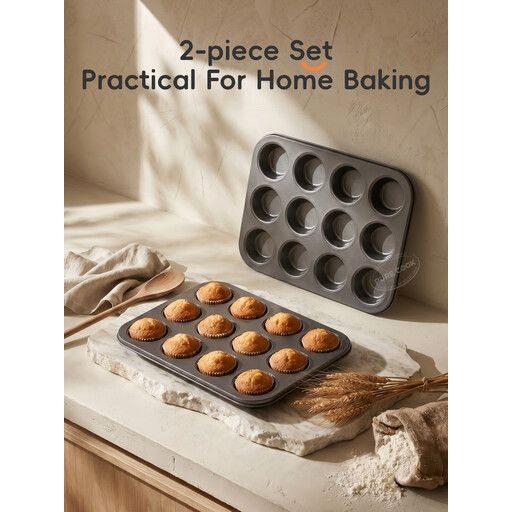
Why This Fits Their Persona: Perfect for those who prepare treats for school bake sales, office parties or family gatherings. This mould allows you to bake a dozen mini cakes, muffins or brownies in one go, ensuring consistency and saving time.
The carbon steel material ensures even heat distribution across all 12 cavities, avoiding the pitfall of uneven baking. The multi-layer non-stick coating is designed for high-frequency use.
Maximum efficiency for batch baking. The design allows for easy, complete release of small cakes, making it friendly even for beginners attempting more delicate bakes.
We have compiled a complete, real-time list of products that fully satisfy these strict selection criteria and UK safety regulations.
The lifespan of a non-stick tin depends heavily on the quality of its materials and how it is cared for. A well-made carbon steel bakeware tin, cleaned by hand with non-abrasive tools, can provide excellent performance for several years. In contrast, lower-quality tins may begin to lose their non-stick properties in under a year, especially if frequently put in the dishwasher or used with metal utensils.
While some manufacturers label their products as "dishwasher safe," we recommend hand washing as a rule. The combination of high water temperatures and harsh detergents used in dishwashers can accelerate the degradation of the non-stick coating. A quick wash with a soft sponge and warm, soapy water is the most effective way to clean your tin while preserving its surface.
For a brand-new, high-quality tin, you may achieve a perfect release without any grease. However, for guaranteed results and to protect the longevity of the coating, a light greasing (with butter or oil) and a dusting of flour is always a sound practice. For very delicate or sticky mixtures, lining the base with baking parchment remains the surest method for a flawless release.