
24/7 Customer Support

Free returns

Same-day & Next-day Delivery

Quality Guaranteed

Unlock Your Welcome Offers: FREE Delivery | Up to 80% OFF | Free 30-day JoyPlus trial
Download the APP
Buying nori seaweed in the UK can seem straightforward until you open the packet and find soft sheets, an unexpectedly salty flavour or a product that is unsuitable for the recipe you planned. Japanese nori, Korean seaweed, dried laver and roasted seaweed are related products, but they are not interchangeable in every kitchen.
The main purchasing mistakes usually come from three areas:
Understanding the format, ingredients and storage requirements makes it easier to choose a product that suits your meals and avoids unnecessary waste.
For sushi rolls, hand rolls and rice balls, look for full seaweed sheets described as sushi nori, nori sheets or onigiri nori. Full sheets are easier to position on a bamboo mat and can be cut into smaller pieces when needed.
For lunchboxes or quick snacks, individually packed seasoned seaweed is more convenient. Korean seaweed often comes in small portions and may include oil and salt for a crisp, savoury finish.
Loose or round-cut dried laver is more suitable for soups, rice dishes, garnishes and rehydrated seaweed salads. It may need rinsing or cooking, so check the usage instructions before opening the packet.
The word “nori” does not always mean the same eating experience.
Always read the UK ingredient and allergen information. Products containing soya, wheat or sesame require particular care for allergy-conscious households. Some packaging may also mention possible cross-contact with fish, crustaceans or molluscs.
A useful pack is one that gives enough sheets for your intended meals without remaining open for too long. A small five- or ten-sheet pack may suit occasional sushi-making, while a larger multipack can be more practical for families and regular lunchboxes.
Nori absorbs moisture quickly. Once opened, reseal the inner bag or transfer the sheets to an airtight container. Store them in a cool, dry place away from sunlight, strong odours and humidity. Refrigeration is not automatically suitable: follow the specific packaging instructions, particularly for seasoned Korean seaweed.
Texture also matters. Thin, crisp sheets are convenient for wrapping rice, while cooking laver is often softer or designed to be cut, crumbled or rehydrated.
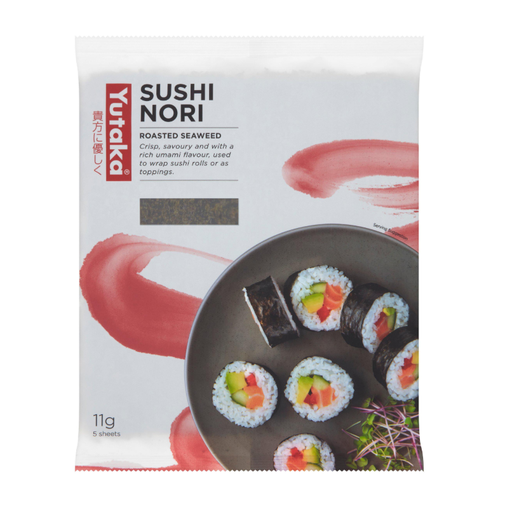
Why This Fits Their Persona: A compact five-piece pack gives occasional sushi makers a straightforward way to try roasted Japanese nori without buying a large quantity.
The sheet count is clear, and the product is identified as roasted sushi nori rather than loose laver intended for soup.
100% seaweed is listed; suitable for sushi rolls, onigiri and garnishing.
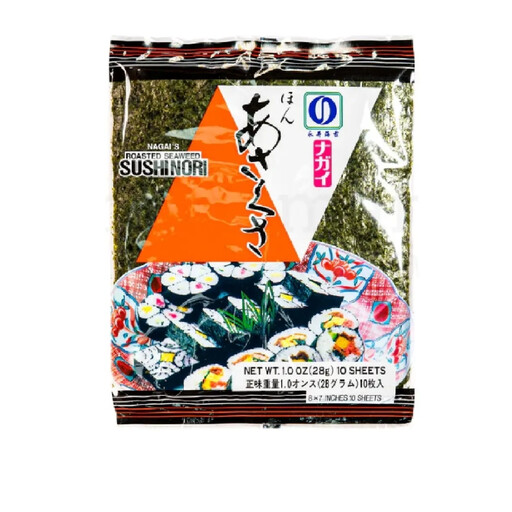
Why This Fits Their Persona: Designed for shoppers who want seasoned sheets with a distinctly Japanese-style flavour for sushi rolls and rice balls.
It is clearly described as roasted and seasoned, so shoppers can account for its flavour instead of expecting plain sushi nori.
Ten sheets; ready to eat; suitable for rolls, onigiri or cutting into strips.
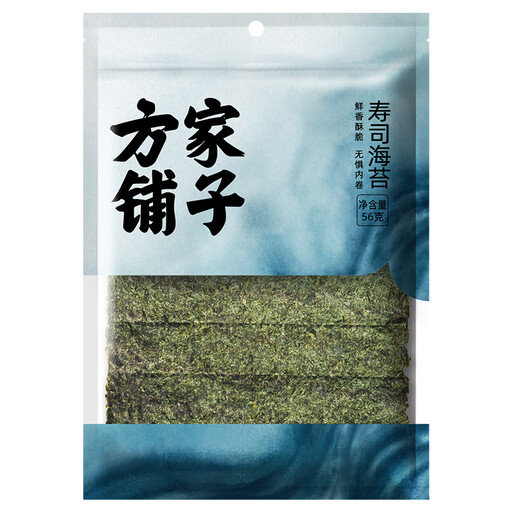
Why This Fits Their Persona: Regular sushi makers, families and lunchbox planners can use the larger pack across rolls, hand rolls, onigiri and toppings.
The product is specified as sushi nori made from seaweed, rather than a seasoned snack with extra oils or sauces.
56g bag; pre-cut sheets; ready to eat; suitable for sushi, nigiri and rice balls.
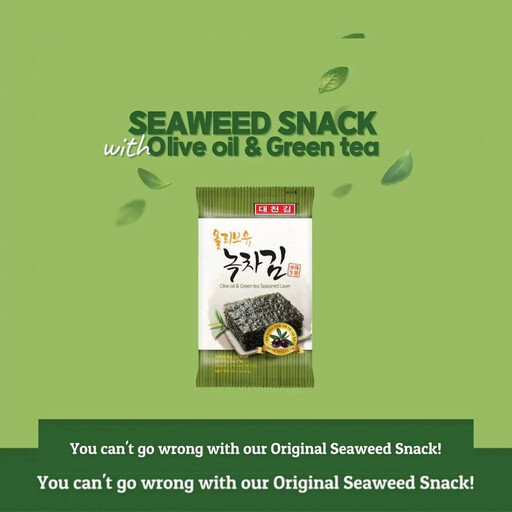
Why This Fits Their Persona: Individual portions suit office drawers, packed lunches, travel and family snack boxes.
The three-pack format limits repeated exposure to air, helping each unopened portion remain protected until needed.
Ready to eat; individual Dosirak packs; suitable with rice, noodles or salads.
We have compiled a complete, real-time list of products that fully satisfy these strict selection criteria and UK safety regulations.
Roasted and seasoned nori is generally ready to eat straight from the packet. Dried laver intended for soups or cooking may require rinsing, rehydration or cooking. Check the usage instructions on the specific product.
Nori is most enjoyable while crisp. Reseal it immediately after use and keep it in a cool, dry place. If the sheets become soft, damp or develop an unusual smell, follow the packaging guidance and avoid using them if their condition appears unsuitable.
It can be used for sushi or rice balls, but its added salt, oil or soya-based seasoning changes the flavour. For greater control over the finished dish, choose plain sushi nori; for a ready-to-eat snack or strongly flavoured topping, seasoned seaweed may be more suitable. Always check allergens before serving.