
24/7 Customer Support

Free returns

Same-day & Next-day Delivery

Quality Guaranteed

Unlock Your Welcome Offers: FREE Delivery | Up to 80% OFF | Free 30-day JoyPlus trial
Download the APP
Northeast Chinese food products are increasingly easy to find in the UK, from ready-to-eat corn and roasted sweet potato snacks to adzuki red beans, potato starch noodles and hot pot bases. However, attractive packaging does not always tell you how much preparation a product needs, how it should be stored or whether it suits your dietary requirements.
This guide explains what to check before buying, then matches selected products to different shopping needs.
Some products are fully cooked, while others require soaking, boiling or steaming. For example, Chinese black fungus is dried and needs soaking before cooking. Adzuki red beans also require soaking and thorough cooking. By contrast, sweet corn, waxy corn and roasted sweet potato snacks can generally be eaten straight from the packaging, although some are also suitable for heating.
Always distinguish between:
The word “corn” covers several different eating experiences. Chinese sweet corn is usually tender and naturally sweet, while waxy corn has a stickier, chewier texture. White sweet waxy corn combines characteristics of both varieties.
Likewise, potato starch noodles are not the same as wheat noodles. They become translucent and springy after boiling, making them suitable for Northeastern Chinese cold noodle salads and other dishes.
A large pack may appear economical but can be unsuitable for occasional use if it needs refrigeration after opening. Compare net weight, storage instructions and nutrition per 100g rather than relying on front-of-pack descriptions.
For example, the Bai Jia sesame paste spicy seasoning lists 8g of salt per 100g, so it is sensible to dilute it with the recommended amount of water or broth and adjust the quantity to your taste. Check allergen information carefully, particularly for sesame, soya, wheat, celery, fish, nuts and egg.
For shoppers seeking authentic Chinese ingredients, look for a clear ingredient list and a stated country of origin. Simple products such as roasted sweet potato, black fungus and adzuki beans may contain just one ingredient. Packaged corn commonly includes corn, water and salt.
An ingredient list also helps you avoid unwanted additives or identify products that are suitable for vegetarian or vegan meal planning. Do not assume that every hot pot or dumpling product is vegetarian: soup bases may contain fish, and frozen dumplings may include several allergen warnings.
Check whether the product works with your routine. A student or office worker may prefer vacuum-packed sweet corn or a roasted sweet potato snack, while a home cook may welcome ingredients that need more preparation.
Typical instructions include:
Nutrition panels help you compare products objectively. For instance, the listed roasted sweet potato provides 171 kcal and 0g fat per 100g, while sweet corn provides 85 kcal per 100g. These figures describe the products as sold and should not be treated as medical or dietary endorsements.
For families and allergy-conscious shoppers, check the full label every time. Formulations can change, and products such as sesame seasoning and frozen momos may contain multiple allergens.

Why This Fits Their Persona: A practical starting point for UK shoppers who want an easy Chinese pantry item without committing to a large multipack. It can be eaten directly or added to salads, fried rice and soup.
The product is clearly described as ready to eat, reducing the risk of buying an ingredient that needs lengthy preparation.
Contains 97.73% sweet corn, with water and edible salt; 220g pack and 85 kcal per 100g.
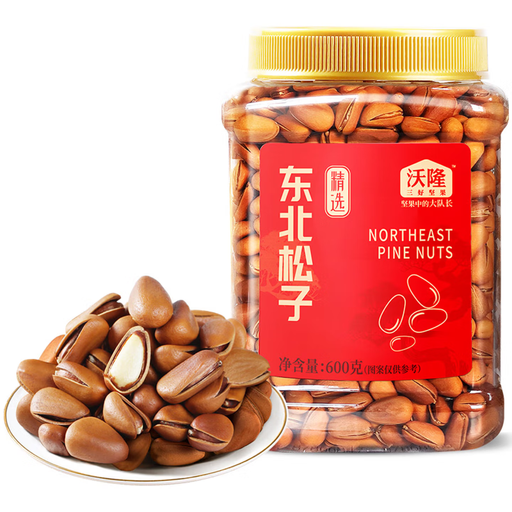
Why This Fits Their Persona: A larger format for households that use Chinese pine nuts in snacks, baking, salads or as a dessert topping.
The ingredient is identified as pine nuts, and the product information states that they are lightly roasted rather than presenting an unclear flavoured snack.
600g quantity; lightly roasted; suitable for direct eating or use in other dishes. Contains pine nuts and vegetable oil.
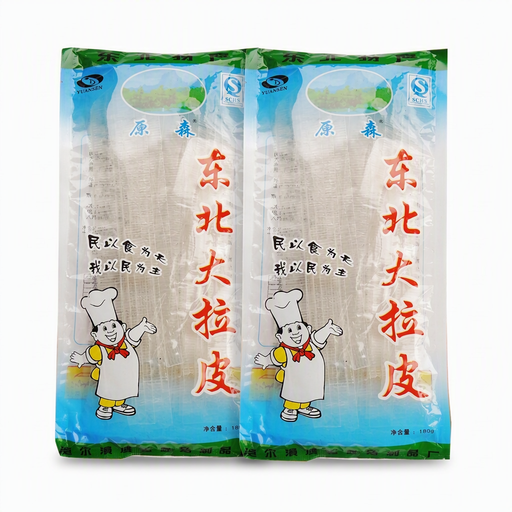
Why This Fits Their Persona: Suitable for home cooks recreating Dong Bei La Pi, especially those who want a dedicated base for cucumber, carrot, meat or vegetarian toppings.
The instructions specify a 3–5 minute boiling time and cold-water rinsing, so the expected preparation and texture are clear.
Made with 80% potato starch; supplied as two 150g packs; translucent and springy after cooking.
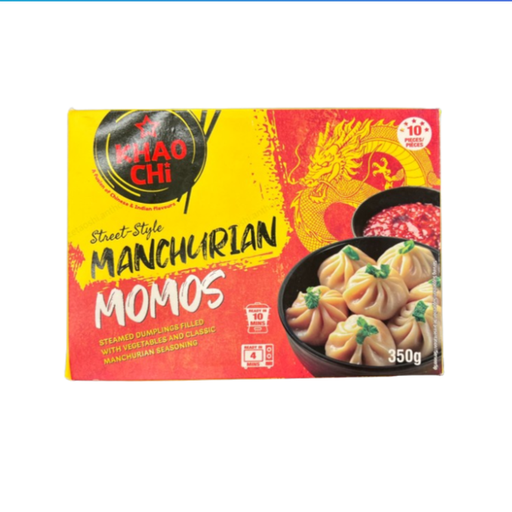
Why This Fits Their Persona: A freezer-friendly option for vegetarians, families and students wanting a quick starter or light meal with Indo-Chinese flavour.
The product is labelled suitable for vegetarians, while the ingredient and allergen information identifies wheat, soya and celery for checking before purchase.
Contains 54% mixed vegetables; stores below -18°C; can be steamed or microwaved from frozen.
For a pantry-building order, combine convenience foods with core ingredients:
We have compiled a complete, real-time list of products that fully satisfy these strict selection criteria and UK safety regulations.
Some are, but not all. Plain corn, red beans, black fungus, pine nuts and certain potato starch noodles may fit vegetarian shopping lists. Hot pot bases and frozen dumplings can contain fish, meat or animal-derived ingredients, so read the complete ingredient list.
Follow the packaging first. Shelf-stable products generally need a cool, dry place. Refrigerate opened corn or seasoning, and consume it within the stated period. Frozen momos must remain at -18°C or below and should not be refrozen after defrosting unless the packaging says otherwise.
Ready-to-eat Chinese sweet corn, waxy corn and roasted sweet potato snacks require little preparation. A shelf-stable product is useful where refrigeration or cooking facilities are limited, but check whether heating is recommended and dispose of leftovers according to the label.