
24/7 Customer Support

Free returns

Same-day & Next-day Delivery

Quality Guaranteed

Unlock Your Welcome Offers: FREE Delivery | Up to 80% OFF | Free 30-day JoyPlus trial
Download the APP
Buying notebooks and diaries can seem straightforward until the pages do not suit your pen, the binding will not stay open, or the format becomes inconvenient to carry. Attractive covers and large page counts can distract from practical details that affect everyday use.
Whether you need A5 notebooks for a handbag, A4 notebooks for project work, or a dated diary for appointments, check the construction and layout before placing an order. The following guide highlights common buying traps and matches different stationery types to real-life UK routines.
A notebook with hundreds of pages may look economical, but page quantity does not tell you whether the paper is suitable for your writing tools. Lightweight paper can allow ink to show through, while coated or rough paper may feel uncomfortable with gel pens or fountain pens.
Look for the paper weight, usually shown in gsm, and consider the type of pen you use. Paper around 80gsm is common for everyday notes, while 100gsm or 120gsm may be more suitable for smoother writing, hand lettering and some fountain pens. However, paper performance can vary, so product information should be read alongside your personal writing habits.
A5 notebooks are easy to carry in most backpacks, work bags and drawers, but they provide less room for wide diagrams, meeting minutes or coursework. A4 notebooks offer a larger writing area, although they can be heavier and less convenient on public transport or in a crowded lecture theatre.
Also consider whether the notebook needs to lie flat. A rigid glued spine can be awkward when you are writing with one hand. Spiral notebooks and wiro-bound notebooks can open more widely, with some allowing a 360-degree fold-back.
A themed cover can make a thoughtful stationery gift, but decorative details may add bulk or create small-part safety concerns. Charms, silicone elements and plush covers should be checked carefully if the item is intended for a child.
For practical use, also consider whether the cover can withstand being carried daily. A wipe-clean polypropylene cover may be more appropriate for school or office use than a delicate printed cover. Keep all paper products away from moisture, as spilled drinks can warp pages and damage covers.
A wiro-bound notebook is useful when pages need to turn easily or the book needs to remain open on a desk. A 360-degree opening can save space during lectures or travel. Lay-flat journals are also useful for drawing across a spread, while perforated pages are practical when notes need to be removed and filed.
Before buying, check whether the binding could catch on other items in a bag and whether the cover offers enough protection for regular handling.
Paper weight matters, but so do ruling, margins and dividers. A lined notebook with margins can make notes easier to scan, while repositionable dividers help separate subjects or clients. Project books with storage pockets and perforated pages are useful for loose handouts and documents.
For diaries, check whether the layout is day-per-page, week-to-view or month-to-view. A day-per-page format provides more room for detailed planning, whereas a week-to-view design may be easier for seeing commitments at a glance.
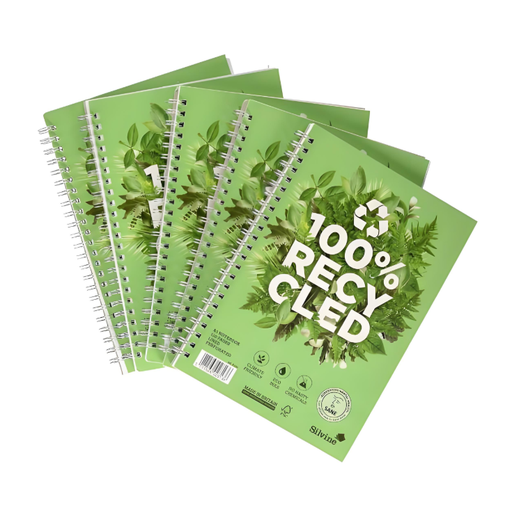
Why This Fits Their Persona: A five-pack gives students, home workers and families separate notebooks for different subjects or tasks without buying each one individually.
The product listing states 120 lined pages per notebook, four pre-punched holes and perforated sheets, making the books more useful than simple disposable pads.
A5 format, 80gsm recycled paper, 360-degree wirebound opening and UK-manufactured paper are listed specifications.
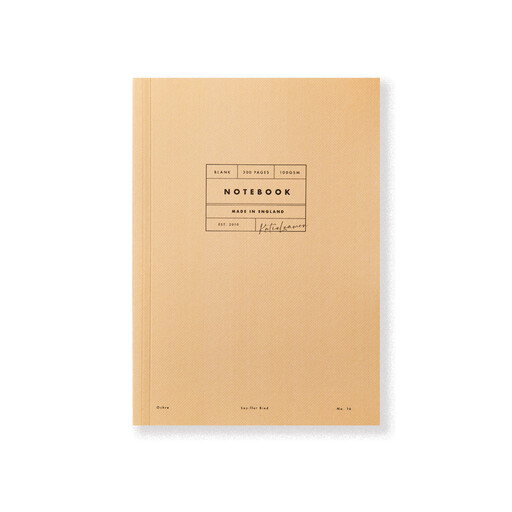
Why This Fits Their Persona: Writers, artists and journalling enthusiasts may prefer a substantial blank book that supports both written and visual work.
The listing specifies 300 blank pages and 100gsm paper, so buyers can assess the writing area and paper weight rather than relying on the cover design.
Portable A5 dimensions, blank pages and product information stating suitability for fountain pens.
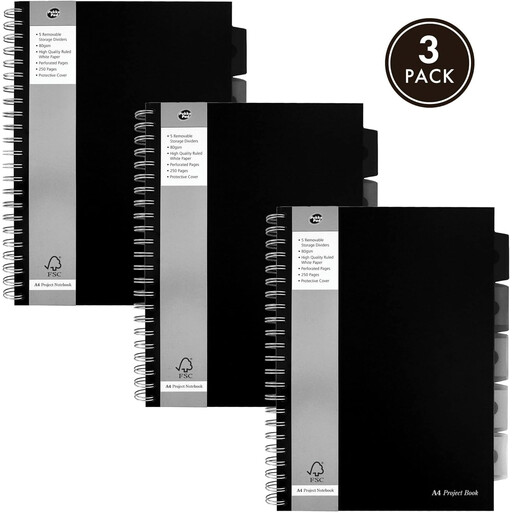
Why This Fits Their Persona: Office workers, professionals and students managing several modules, clients or projects can separate material within each book.
The pack uses wipe-clean polypropylene covers, five repositionable dividers with pockets and perforated pages, addressing durability and organisation concerns.
Each A4 book contains 250 pages of 80gsm FSC certified paper, with 8mm feint ruling and built-in storage pockets.
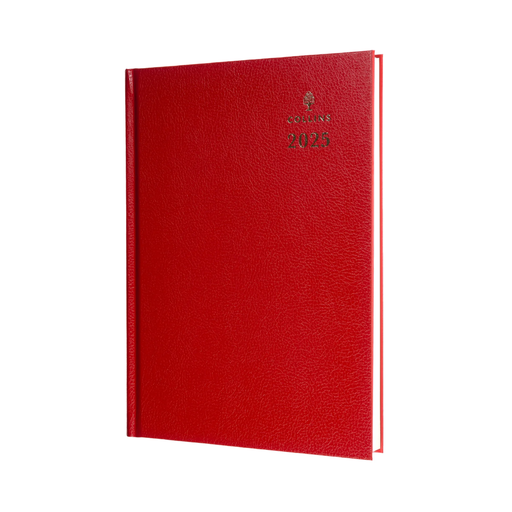
Why This Fits Their Persona: Home-office users and professionals who plan appointments, deadlines and household finances may benefit from a larger desk-based format.
The listing identifies a lay-flat format and includes an expenses tracker and bill manager, rather than offering only decorative calendar pages.
A4 desk format, 70gsm paper, lay-flat binding and calendar planning sections are stated product features.
For creative work, blank notebooks and bullet journals leave room for sketches, trackers and free-form layouts. For conventional notes, lined notebooks with margins are easier to organise. Students may prefer spiral notebooks that fold back during lectures, while professionals often benefit from project books with dividers and filing options.
A themed Disney notebook, including Lilo & Stitch, Toy Story or Squishmallows designs, can work well as a personal stationery gift. Check the age guidance where products include charms or small parts. Parents choosing children’s colouring books should also review the stated age range and supervision advice. The Galt Water Magic Unicorn Colouring Book, for example, includes a refillable water pen and is listed for children aged three and over, with a small-parts warning.
Gel pens are another practical addition. Fine 0.5mm pens suit detailed journalling and small diary boxes, while 0.7mm pens may provide a more noticeable line for everyday notes. Store capped or retracted pens correctly and allow ink to dry before closing a notebook.
We have compiled a complete, real-time list of products that fully satisfy these strict selection criteria and UK safety regulations.
A5 notebooks are suitable for short notes, journalling, revision points and personal planning. If you regularly write meeting minutes, draw diagrams or need to attach documents, an A4 or B5 project book may offer more usable space.
Lifespan depends on page count, binding, cover material and handling. A wipe-clean cover and wire or lay-flat binding can be useful for frequent use, while moisture and bending can damage almost any paper product. Store notebooks flat or upright in a dry place and avoid overloading the binding.
Use a dated diary for appointments, deadlines and time-specific tasks, then keep a lined or blank notebook for detailed notes and reflection. Adding gel pens in one or more colours can help separate priorities, but choose ink that dries appropriately for your paper to reduce smearing and show-through.