
24/7 Customer Support

Free returns

Same-day & Next-day Delivery

Quality Guaranteed

Unlock Your Welcome Offers: FREE Delivery | Up to 80% OFF | Free 30-day JoyPlus trial
Download the APP
Buying notebooks and journals can seem straightforward until the pages start bleeding through, the binding becomes awkward or the format does not suit your daily routine. A notebook that looks attractive online may be too bulky for a university bag, while a low-cost notebook set may lack the dividers or paper quality needed for organised project work.
This guide explains the practical details worth checking before you buy, with recommendations matched to different UK lifestyles and uses.
A stylish cover does not tell you whether a notebook will open comfortably, protect its pages or remain useful after several months. Check the binding, cover material and page layout alongside the design.
For example, a hardback journal can provide a firm writing surface, while a spiral-bound notebook may be more convenient when you need it to lie flat. A textured cover may look refined, but it still needs suitable storage away from moisture and excessive pressure.
Paper weight is measured in gsm, or grams per square metre. Higher gsm paper generally feels thicker, but writing performance also depends on the ink, nib and page finish.
An 80 gsm lined notebook may be practical for standard ballpoint pens and pencils, especially when carrying several books. For fountain pens, markers or hand lettering, 100–140 gsm paper may offer a more suitable surface. However, always check the product description and writing tool compatibility rather than assuming that heavier paper is completely bleed-resistant.
“Large” can refer to the physical size, number of sheets or amount of writing space. A compact A5 notebook may be easier to carry, but an A4 project book offers more room for diagrams, printed documents and detailed notes.
Also check whether the stated page count refers to pages or sheets. Perforated pages, dividers and pockets can add practical value, but they may reduce the space available for uninterrupted writing.
Think about where you will use the notebook. If it will travel between home, a classroom and a workplace, check the dimensions against your bag rather than relying on the product title.
A lined notebook supports structured writing, while unlined paper is more adaptable for sketches, mind maps and freeform journalling. A bullet journal usually benefits from numbered pages and a lay-flat design, particularly when you create indexes, monthly spreads or detailed layouts.
For project work, features such as repositionable dividers, storage pockets and perforated pages can be more valuable than decorative details. If you need to archive individual notes, clean-tear perforations can make filing easier.
A wipe-clean polypropylene cover can be useful in classrooms, offices or shared environments. Textured card or hardback covers offer a different balance of protection and appearance. Spiral binding allows pages to turn easily and may help a notebook open flat, while some journals use specialist lay-flat binding for writing across the centre fold.
For creative stationery, consider whether the cover and binding can handle glue, embellishments or frequent handling. A scrapbook designed for photos and craft materials needs different construction from a simple to-do pad.
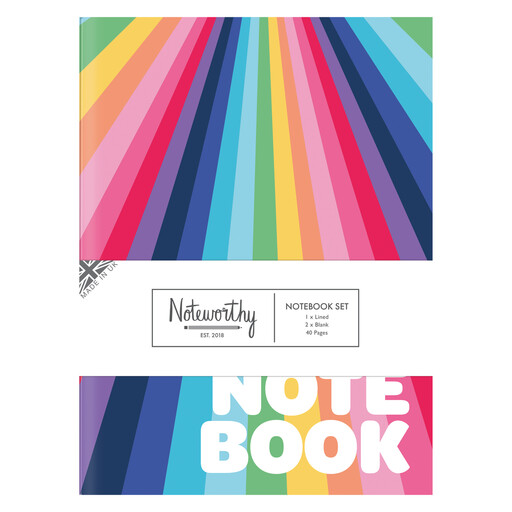
Why This Fits Their Persona: A three-pack gives students, home-office users or new journalers separate notebooks for lectures, lists and personal notes without committing to one specialised format.
Buying a pack makes the quantity clear, helping avoid paying a premium for a single notebook based mainly on its appearance.
Three A5 notebooks; contemporary rainbow designs suited to different everyday uses.
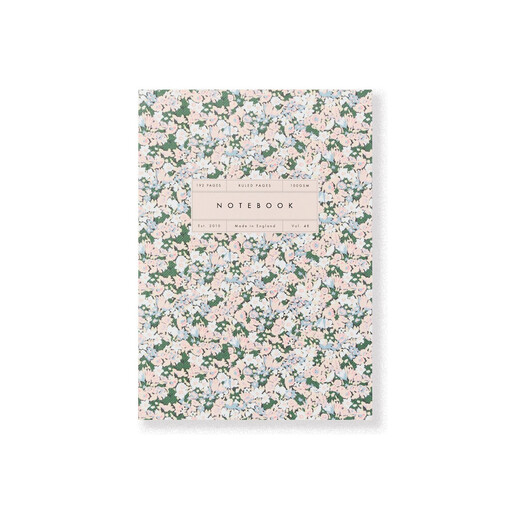
Why This Fits Their Persona: Its portable A5 format and designer-style floral cover suit professionals, gift shoppers and stationery enthusiasts who want a considered writing notebook.
The specification states 100gsm paper and 196 ruled pages, so buyers can compare tangible features rather than judging only the cover design.
196 ruled pages; 100gsm inner paper; textured cover with a floral print.
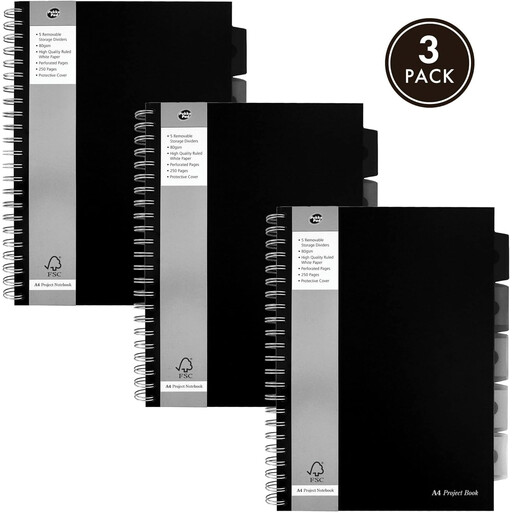
Why This Fits Their Persona: Teachers, office users and students managing several modules or workstreams can separate material into dedicated A4 project books.
The A4 format, five repositionable dividers, storage pockets and perforated pages address common organisation and filing problems.
250 pages per book; 8mm feint ruling; 80gsm FSC certified paper; wipe-clean polypropylene cover.
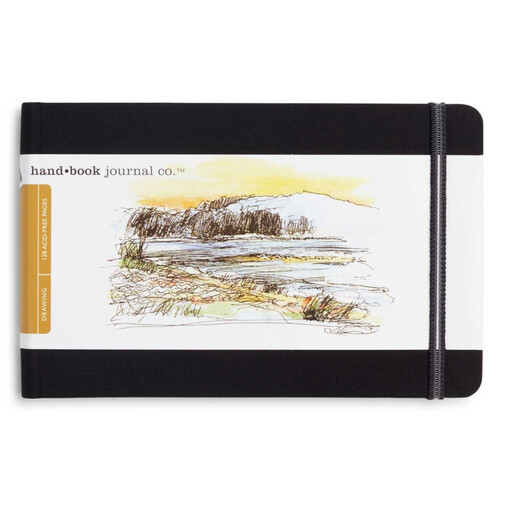
Why This Fits Their Persona: Artists, illustrators and commuters who sketch on the move can use the landscape format for drawings, visual notes and creative practice.
Its stated 140gsm acid-free artist paper and 64-sheet capacity make the intended drawing use clearer than a generic lined notebook.
140gsm acid-free paper; landscape dimensions; cloth binding, rounded corners and an internal storage envelope.
An A5 notebook is easier to carry between lectures and works well for concise notes. An A4 project notebook provides more room for diagrams, handouts and detailed coursework. Students managing several subjects may prefer a combination of both sizes.
Lifespan depends on page frequency, storage and binding quality. A durable cover, secure binding and appropriate handling can help a notebook remain usable for longer. Keep paper products dry, avoid bending them in overfilled bags and use pens that do not excessively bleed through the pages.
Cost should be compared with the features you will use. Higher paper weight, stronger covers, lay-flat binding, pockets or numbered pages may justify a higher price for specific tasks. For everyday lists or short notes, a notebook set or to-do pad may provide more practical value.