
24/7 Customer Support

Free returns

Same-day & Next-day Delivery

Quality Guaranteed

Unlock Your Welcome Offers: FREE Delivery | Up to 80% OFF | Free 30-day JoyPlus trial
Download the APP
Choosing among notebooks can seem straightforward until you compare page layouts, paper weights, bindings and cover materials. A notebook that looks appealing online may prove awkward in a lecture, too bulky for a handbag or unsuitable for fountain pens.
Whether you need notebooks for school and office, a journal for personal writing or a laptop for home working, checking the practical details first helps avoid wasted money.
A textured cover, novelty design or attractive colour can make a notebook appealing, but appearance does not indicate how well it suits daily use. Check the page count, paper weight, binding and dimensions before buying. A decorative cover may also require more care when carried in a busy school or work bag.
Paper weight is usually shown in GSM, meaning grams per square metre. Higher GSM paper often feels more substantial, but it does not guarantee compatibility with every ink type. A ruled notebook with 80gsm paper may be perfectly suitable for pencils and ballpoint pens, while users of gel pens, markers or fountain pens may prefer 100gsm or 120gsm paper.
Look for specific information about the paper rather than relying on terms such as “luxury” or “premium”. Also remember that ink performance can vary according to the pen and how heavily you write.
A notebook that will not stay open can be frustrating during lectures, meetings or planning sessions. Standard glued or sewn bindings may be fine for occasional notes, but lay-flat notebooks and spiral-bound designs are more practical for frequent writing, drawing and reference work.
Check whether “lay-flat” means the notebook opens fully across the centre fold, rather than simply opening more widely than a standard book.
For reference, the actual dimensions can vary slightly. Always check the product listing, especially if you need a notebook to fit a particular compartment.
Paper weight helps indicate thickness, but page layout is equally important. Ruled notebooks support neat written notes, while unlined pages suit sketching, mind maps and free-form journalling. Dotted or numbered pages are useful for bullet journals and indexed projects.
Consider:
If you need to remove pages, look for perforation. If notes need to remain organised by subject, repositionable dividers can be more useful than a high page count alone.
A rigid hardcover creates a firmer writing surface away from a desk. Textured or padded covers can add protection and visual appeal, while lightweight flexible covers are easier to carry in quantity.
For frequent travel, compare the notebook’s weight and closure style. For gifting, novelty notebooks and character stationery may be more suitable than plain office stationery, but check age warnings where small parts or decorative details are included.
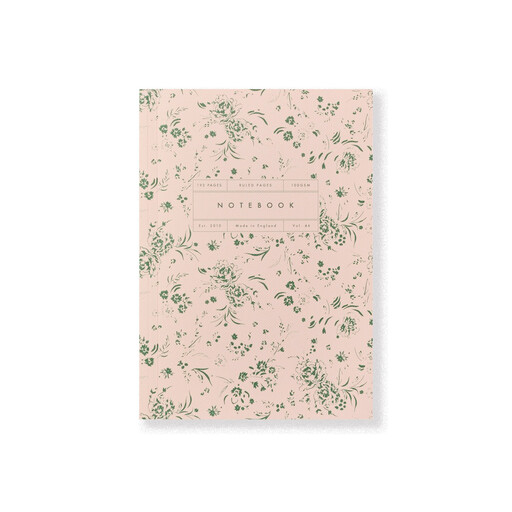
Why This Fits Their Persona: A portable A5 format suits students, first-job professionals and anyone building a simple everyday note-taking habit.
It provides stated specifications instead of relying only on decorative styling: 196 ruled pages, 100gsm ivory paper and a textured 300gsm cover.
Ruled pages include margins, and the A5 size is convenient for bags, desks and everyday planning.
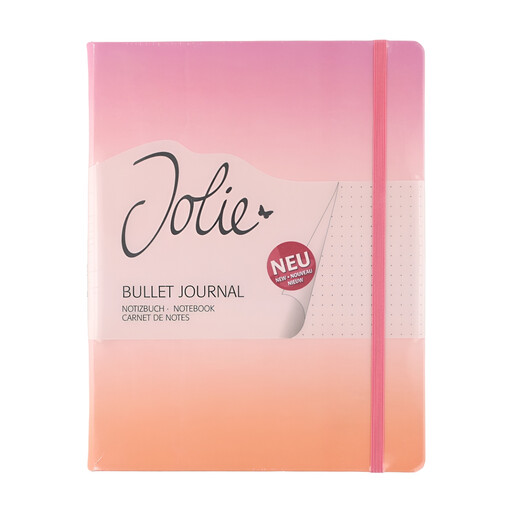
Why This Fits Their Persona: Journalers, artists and stationery enthusiasts gain a structured creative format for planning, lettering and detailed notes.
The listing clearly specifies a 180° lay-flat design, 200 numbered pages and a 120gsm paper stock, making its intended use easy to assess.
Numbered pages support referencing, while the A5+ 17 x 22cm format gives more room than a standard A5 notebook.
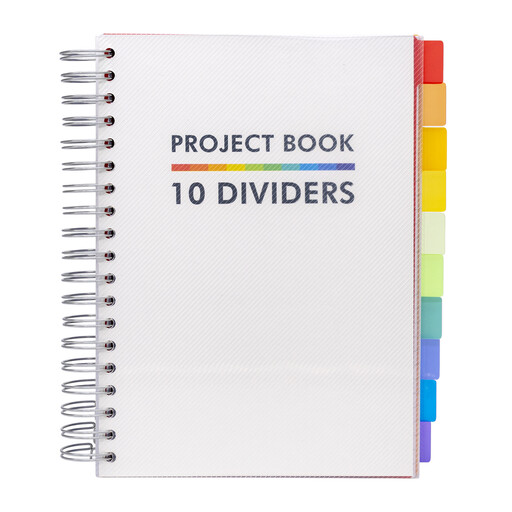
Why This Fits Their Persona: Students, project teams and office users managing several subjects or workstreams can separate notes in one portable book.
The B5 project book states its capacity and organisation features clearly: 400 pages, 10 repositionable dividers and perforated sheets.
The translucent cover is wipe-clean, and FSC-certified 80gsm paper provides substantial writing capacity.
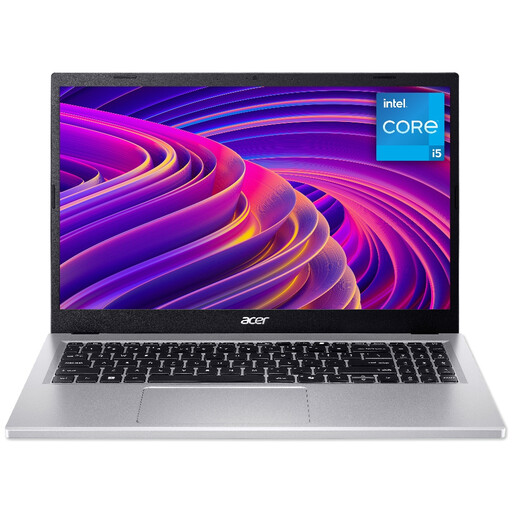
Why This Fits Their Persona: Home-office users, students and professionals needing a full laptop for documents, online meetings and everyday computing may prefer this notebook format.
Its specification lists the processor, memory, storage, ports and operating system, so buyers can compare practical capability rather than just screen size.
It includes a 15.6-inch Full HD anti-glare display, 8GB RAM, a 512GB SSD, Wi-Fi 6 and USB-C connectivity.
We have compiled a complete, real-time list of products that fully satisfy these strict selection criteria and UK safety regulations.
Yes. A5 notebooks are convenient for meeting notes, revision points, task lists and personal planning. If you need diagrams, extensive calculations or several pages of notes per session, B5 or A4 may provide more comfortable space.
Lifespan depends on page count, binding, cover material and how it is carried. A notebook used daily in a backpack benefits from a durable cover and secure binding. Keeping it away from moisture and avoiding overfilling pockets can help preserve the pages.
A laptop has ongoing electricity use and may require software, accessories or repairs, whereas a paper notebook has no charging cost. However, the laptop can combine note-taking, document work, video calls and online storage. Compare the intended tasks, battery specification and included operating system before deciding which format provides practical value.