
24/7 Customer Support

Free returns

Same-day & Next-day Delivery

Quality Guaranteed

Unlock Your Welcome Offers: FREE Delivery | Up to 80% OFF | Free 30-day JoyPlus trial
Download the APP
Choosing between notebooks and diaries can seem straightforward until you compare paper weight, page layout, binding and portability. A notebook that looks attractive online may not suit fountain pens, daily planning or heavy commuting. Similarly, a diary with plenty of features can become inconvenient if its format does not match your routine.
This guide helps students, artists, professionals, journal enthusiasts and stationery collectors compare the details that matter before buying.
A high page count does not always mean more useful writing space. Check whether pages are ruled, dated, divided into sections or partly taken up by calendars and reference material. An A5 notebook with 196 ruled pages may offer more practical everyday writing space than a larger book with a complex layout.
For project work, look for features such as repositionable dividers, storage pockets and perforated pages rather than relying on the page count alone.
Marketing descriptions may use phrases such as “smooth writing” without stating the paper weight. GSM, or grams per square metre, gives a more useful indication of paper density. Lightweight 70–80gsm paper can be suitable for ordinary ballpoint pens and pencils, while 100–140gsm paper is more appropriate for drawing, markers or more saturated inks.
Even higher-GSM paper is not automatically bleed-proof with every pen. If you use gel pens, rollerball pens or markers, consider testing a small area first.
Themed notebooks and stationery gift sets can be appealing, but decorative covers, charms or plush finishes may add bulk and require extra care. For commuting, check the dimensions, binding and cover material. For children, inspect the product warning carefully where small charms or detachable parts are included.
A lay-flat binding is particularly useful for writing at a desk, while a compact format is easier to carry between home, university, school or the office.
For ordinary notes, 80gsm lined paper can be practical and lightweight. For creative work, look for acid-free artist paper and a higher paper weight. The Speedball drawing journals listed below use 140gsm acid-free paper and are described as suitable for pen and ink, pencils and markers.
When selecting writing tools, match the nib to your task:
A polypropylene cover can be wiped clean, while a textured card cover offers a lighter, more traditional notebook feel. Wiro or spiral bindings often allow pages to turn fully, whereas sewn or lay-flat bindings can make two-page spreads easier to use.
If you carry stationery in a bag, also consider whether the notebook has rounded corners, a storage envelope, a firm cover or a secure closure. Keep paper products away from excessive moisture, and store pens capped to reduce drying.
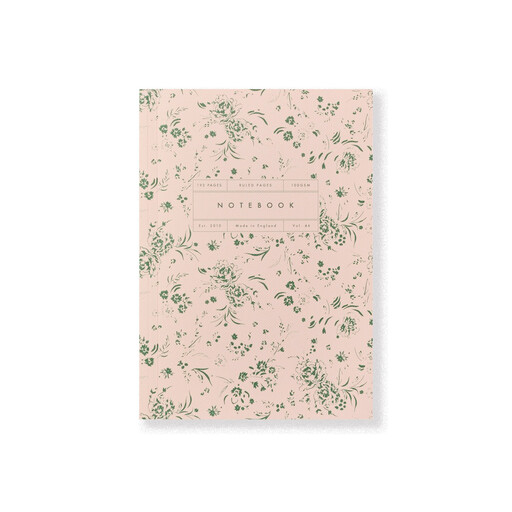
Why This Fits Their Persona: Its portable A5 format suits students, commuters and first-time journal users who need one flexible notebook for everyday writing, planning and study notes.
The specification states 196 ruled pages, margins and 100gsm paper, making the writing capacity clearer than a vague page-count claim.
A5 size; 196 ruled pages; textured 300gsm cover; suitable for pens and pencils.
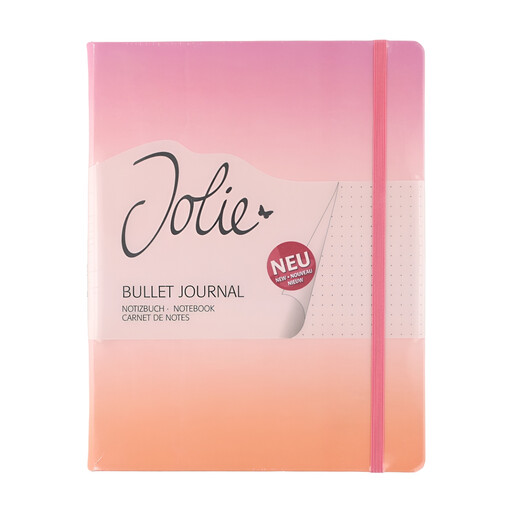
Why This Fits Their Persona: The larger A5+ format and firm hardcover suit bullet journal users, hand lettering enthusiasts and professionals who want a structured creative notebook.
The product details specify its 180° lay-flat design, 200 numbered pages and 120gsm paper, so the format is clear before purchase.
180° lay-flat opening; numbered pages; 120gsm paper; sturdy hardcover.
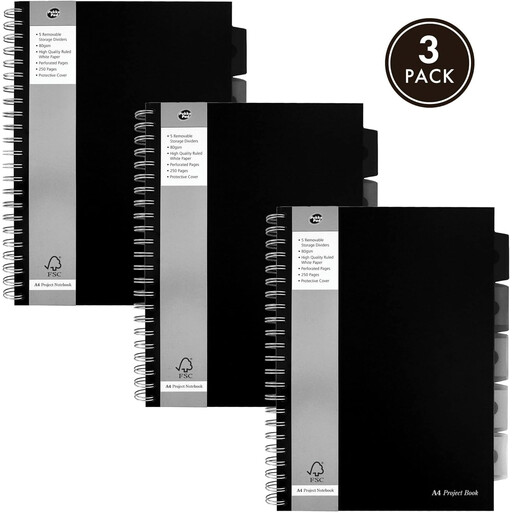
Why This Fits Their Persona: This pack is suited to office workers, university students and home-office users managing several subjects, clients or ongoing projects.
Its A4 dimensions, five repositionable dividers, storage pockets and perforated pages address organisation problems that a plain notebook cannot.
Pack of three; 250 pages per book; 80gsm FSC certified paper; wipe-clean polypropylene cover.
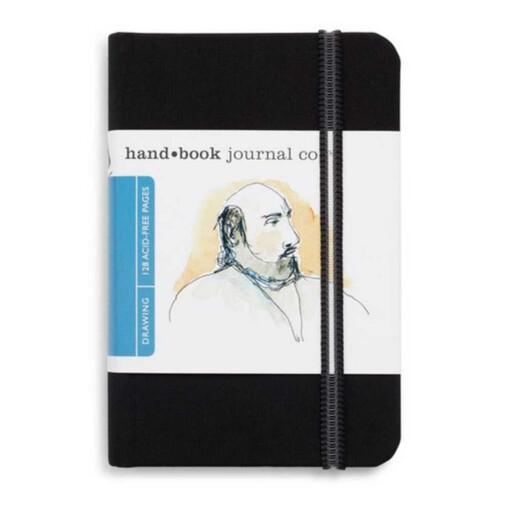
Why This Fits Their Persona: Its small portrait format is convenient for artists who want a portable sketchbook for quick drawings, visual notes and travel studies.
The product description identifies 140gsm acid-free artist-grade paper, 64 sheets, rounded corners and an internal clear storage envelope.
140gsm acid-free paper; 64 sheets; compact dimensions; storage envelope; suitable for pen and ink, pencils and markers.
We have compiled a complete, real-time list of products that fully satisfy these strict selection criteria and UK safety regulations.
The right pen can make a practical notebook easier to use. For quiet libraries, shared offices or lectures, a silent-click gel pen may reduce mechanical noise. A set such as the WRITECH 0.5mm multicolour gel pens provides eight colours for colour coding and journalling.
For fine black writing, WRITECH 0.5mm liquid ink rollerball pens come in a ten-pack with needle tips and snap caps. Always check ink behaviour on the paper you plan to use, particularly when writing on both sides of a page.
For themed gifts, options such as Harry Potter, Toy Story, Squishmallows and Lilo & Stitch stationery can add personal appeal. Check age guidance where products include small charms or detachable parts, and consider whether the recipient needs lined pages, drawing space or a dated planning layout.
Yes, A5 notebooks are portable and convenient for short notes, task lists and meeting follow-ups. For large diagrams, printed handouts or detailed project records, an A4 project book provides more writing area and can offer dividers and pockets.
Around 80–100gsm is commonly suitable for everyday gel pens and rollerball pens, although ink saturation varies. If you are concerned about show-through, choose a notebook with heavier paper and test the specific pen on a spare page.
Choose a dated diary if you want ready-made daily and monthly structure. A bullet journal is more flexible because you create your own spreads, making it useful for changing schedules, creative planning and mixed notes. A lay-flat journal with numbered pages can make custom organisation easier.