
24/7 Customer Support

Free returns

Same-day & Next-day Delivery

Quality Guaranteed

Unlock Your Welcome Offers: FREE Delivery | Up to 80% OFF | Free 30-day JoyPlus trial
Download the APP
Buying notebooks and stationery can seem straightforward until the pages start bleeding, the binding becomes awkward or the format does not suit your daily routine. Whether you need school stationery, office stationery, journalling notebooks or a gift for a stationery lover, a few practical checks can prevent wasted money.
A decorative cover may look appealing online but offer little protection in a busy backpack or work bag. Plush notebooks and novelty notebooks can be enjoyable to use, but soft materials may require more careful handling and should be kept away from moisture. For everyday commuting, a wipe-clean polypropylene or sturdy textured cover may be more practical.
Paper weight is often overlooked. 80 gsm paper is suitable for many pens and pencils, but heavier ink, markers and fountain pens may show through more readily. If you write for long periods or use creative stationery for lettering, look for a higher paper weight such as 100 gsm or 120 gsm. Paper colour also matters: ivory pages can feel softer to read, while bright white paper may suit formal notes.
A large page count is not automatically useful. Without dividers, pockets, numbering or a suitable layout, notes can become difficult to find. A project book may be more appropriate for modules, clients or meeting records, while a simple lined notebook may work better for quick everyday notes. Check the binding and page layout before choosing based on appearance or page count alone.
The common formats each suit different routines:
Consider where the notebook will be used. A4 is useful when you need to file or remove pages, while A5 is easier to carry between lectures, meetings and home.
Paper weight is measured in gsm, or grams per square metre. A higher number generally indicates a thicker sheet, although the writing experience also depends on paper finish and ink type.
Lined notebooks should have spacing that matches your handwriting. An 8 mm ruling is a useful general-purpose choice. Margins can help keep notes neat, while unlined paper is more flexible for sketches, mind maps and creative work.
Wire or spiral binding can help a notebook open flat, particularly for drawing or left-to-right writing. A lay-flat design is useful when you need access to the whole page without pressing down on the spine.
For organised work, check whether the product includes repositionable dividers, storage pockets or perforated pages. These features can reduce the need for separate folders. Also check warnings and care instructions, especially for character stationery with small detachable parts.
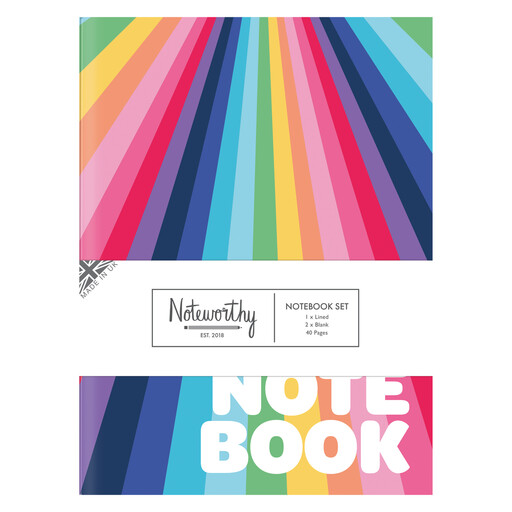
Why This Fits Their Persona: A three-notebook pack gives starters separate places for school notes, personal lists or creative ideas without committing to one single-use format.
The pack format helps avoid buying several mismatched notebooks for different tasks, while the A5 format remains easy to carry.
Pack of three; contemporary designs intended to add colour and personality to everyday stationery.
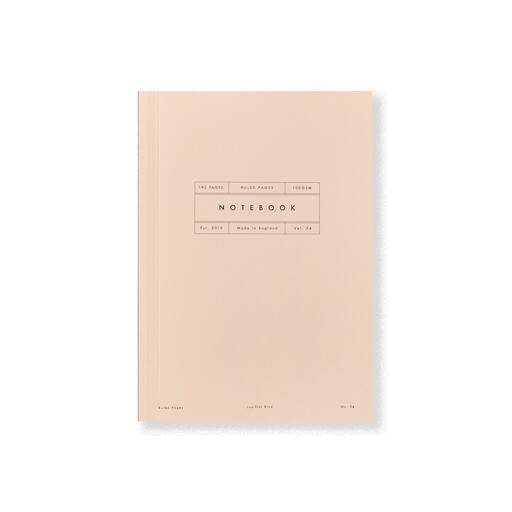
Why This Fits Their Persona: Suitable for professionals, journal writers and creatives who want a portable notebook with a smoother, heavier paper specification.
Its listed 100gsm ivory paper gives buyers a clear specification to compare instead of relying only on cover styling.
196 ruled pages with margins; textured 300gsm cover; compact A5 dimensions.
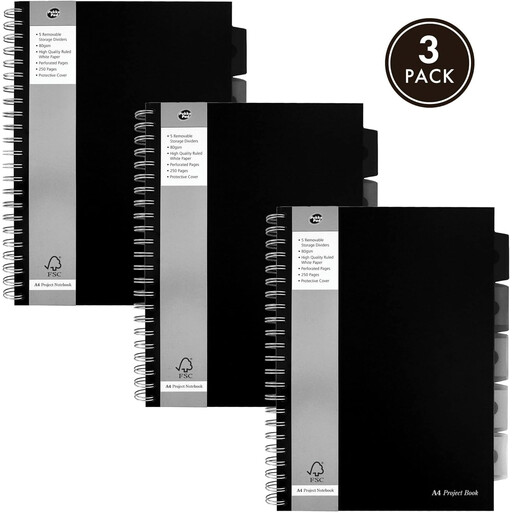
Why This Fits Their Persona: A practical option for teachers, office professionals, home workers and students managing several subjects, clients or projects.
Five repositionable dividers and storage pockets help prevent loose handouts and mixed project notes from becoming difficult to manage.
250 pages per book; 80gsm FSC certified paper; perforated pages; wipe-clean polypropylene cover.
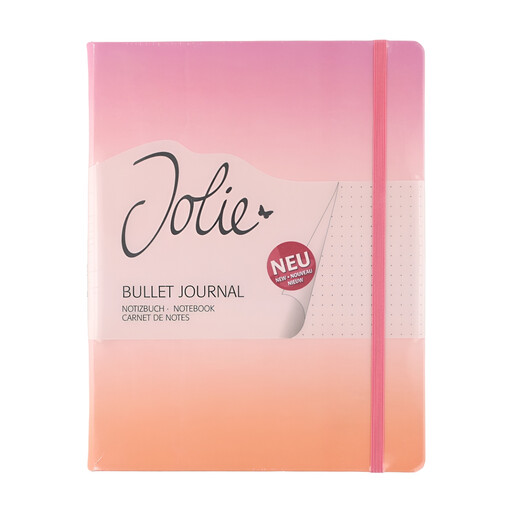
Why This Fits Their Persona: Designed for bullet journals, diaries, hand lettering and detailed planning where page access and paper weight are important.
The 180-degree lay-flat design addresses the common problem of writing near the centre fold, while numbered pages support easier reference.
200 numbered pages; 120gsm paper; sturdy hardcover; A5+ format.
We have compiled a complete, real-time list of products that fully satisfy these strict selection criteria and UK safety regulations.
For a simple daily planning system, task pads and sticky notes can work alongside a notebook. The Pukka Pad Things To Do Today Note Pad includes sections for tasks, appointments, special attention items, notes and sketches. Its 115 sheets of 80 gsm paper and wire binding make it suitable for a desk, home office or study area.
For gifts and character-branded stationery, check practical details as well as design. Plush notebooks can be tactile and appealing, while silicone-covered notebooks with charms may contain small parts and require age-related care. Always read the product warning before buying for a child.
An A5 notebook is often convenient for lectures, revision and commuting because it fits easily into many backpacks. Students managing extensive diagrams, handouts or project documentation may prefer A4 project books.
100 gsm paper is a useful choice for lined journalling notebooks and everyday writing with many standard pens. If you use heavier markers or hand lettering tools, consider 120 gsm paper and check the manufacturer’s guidance for bleed-through.
Store paper stationery flat in a dry place, avoid direct moisture and use suitable pens that do not bleed heavily. Keep adhesive notes on clean, dry surfaces and avoid repeatedly moving them between dusty or damp areas.