
24/7 Customer Support

Free returns

Same-day & Next-day Delivery

Quality Guaranteed

Unlock Your Welcome Offers: FREE Delivery | Up to 80% OFF | Free 30-day JoyPlus trial
Download the APP
By Joybuy Product Recommendation Officer
Choosing notebooks and stationery can seem straightforward until the paper feathers, the binding gets in the way or the design does not suit your everyday routine. Whether you need school stationery, office stationery, journalling stationery or creative stationery gifts, the attractive cover is only one part of the decision.
A practical purchase starts with matching the notebook’s format, paper and binding to how you intend to use it. The following guide highlights common buying traps, useful specifications and suitable options for different UK shoppers.
A stylish cover may attract attention, but it does not tell you whether the pages suit gel pens, pencils, fountain pens or markers. Thin paper can allow ink to show through, while unsuitable surfaces may make drawing or detailed writing uncomfortable.
Check the paper weight, usually shown in gsm, and the page layout. For everyday writing, 80–100gsm paper is a practical range. Heavier paper, such as 140–160gsm, is more suitable for sketching, layering dry media and some light wet-media work.
“Spiral notebook” can describe several different constructions. A twin-wire or wiro binding may allow a notebook to open flat or rotate fully, while a tightly bound book may be less flexible. Wire can also catch on bags if the cover is not durable.
If you write in cramped spaces such as lecture halls or on a train, look for lay-flat or 360-degree opening. For filing, perforated or pre-punched pages may be more useful than a decorative binding.
Blank notebooks offer flexibility for sketches, mind maps and free-form bullet journals, but they may be less convenient for neat meeting notes. Lined notebooks support structured writing, revision and lists, while sketch pads need enough surface area for the intended artwork.
Before buying, consider whether you will primarily write paragraphs, draw, plan, scrapbook or combine several activities. This simple check can prevent a notebook from becoming unused stationery in a drawer.
A5 notebooks measure approximately 148 × 210mm, offering a useful balance between writing space and portability. They fit into many backpacks, tote bags and desk drawers, making them suitable for personal planning, school notes and commuting.
A4 is approximately 210 × 297mm and gives more room for drawing, presentation planning and papercraft. It is practical for a desk or studio but less convenient for carrying every day. Smaller journals are easier to transport but provide less room for detailed layouts.
Paper weight is measured in gsm, or grams per square metre. It indicates the paper’s substance, although it does not alone guarantee a particular writing experience.
Acid-free paper is a useful consideration for artwork or records you want to store. For markers and wet media, test a spare sheet first, as saturation can still cause bleed-through or warping.
A lined notebook is generally convenient for notes and lists. A blank notebook is more adaptable for sketching, creative writing and drawing journals. A spiral notebook can be useful when you need pages to stay open, while stitched or hardbound formats may offer a more traditional writing surface.
Also check whether pages are numbered, perforated, removable or pre-punched for filing. These details can matter more than decorative features for students, teachers and office workers.
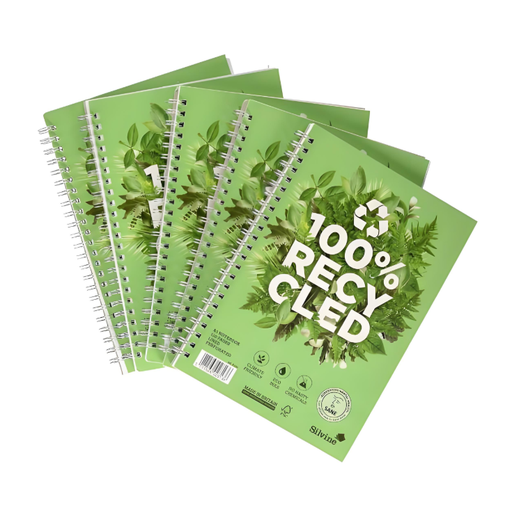
Why This Fits Their Persona: A five-pack gives students, home users and new stationery buyers several notebooks for revision, lists or office notes without selecting each one separately.
The specification clearly states A5 format, 80gsm recycled paper, 120 lined pages per notebook and wire binding, so buyers can compare practical details rather than rely on the cover design.
Pack of five; 120 lined pages each; four-hole punched and perforated pages; 360-degree opening.
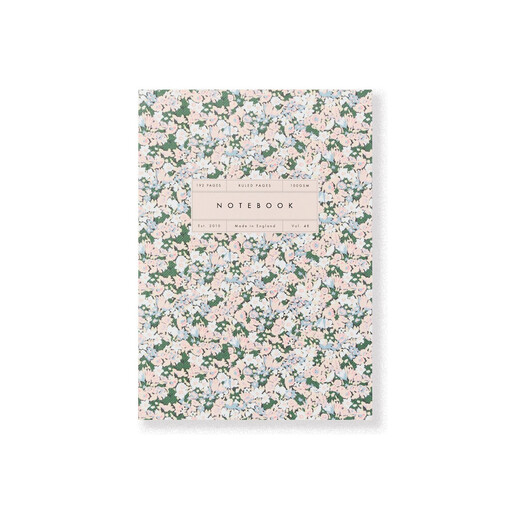
Why This Fits Their Persona: Its A5 size, 196 ruled pages and textured floral cover suit shoppers wanting a polished notebook for journalling, meetings or gifting.
The page count and 100gsm specification are stated clearly, helping buyers distinguish a substantial writing notebook from one chosen mainly for its appearance.
196 ruled pages; 100gsm paper; textured covers; suitable for writing, planning and gifting.
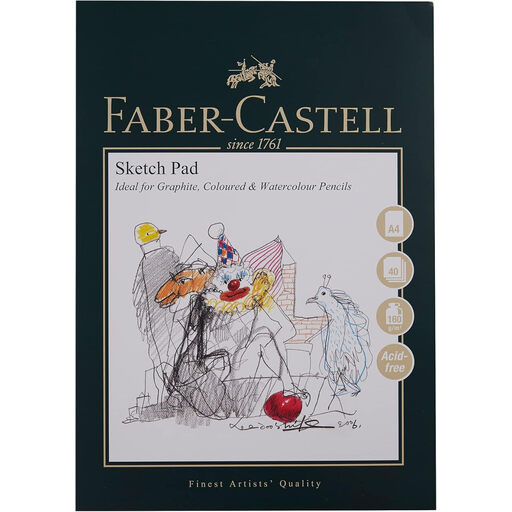
Why This Fits Their Persona: Artists, design students and crafters who need a larger surface can use this A4 pad for sketches, illustration planning, collage and school art.
Its 160gsm weight and stated media compatibility provide more useful information than a vague “artist quality” description. Test heavily saturated wet media before committing a finished piece.
40 sheets of acid-free 160gsm paper; A4 format; gummed top binding; suitable for pencils, charcoal and light washes.
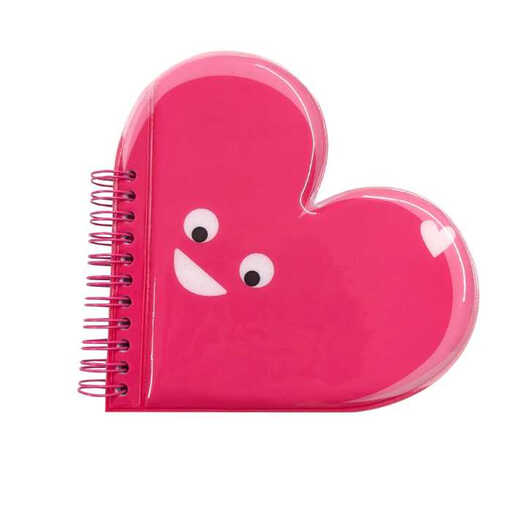
Why This Fits Their Persona: The padded heart-shaped cover gives this A5 notebook a playful character for birthdays, party bags, stocking fillers or stationery collections.
The unlined interior is clearly stated, so gift buyers can select it for drawing, doodling and journalling rather than expecting ruled school notes.
Unlined pages; spiral binding; flat-opening design; compact and lightweight format.
The notebook is only half of a useful stationery set. Fine-point gel pens can support precise notes and colour coding, while erasable pens are convenient for planners, homework and drafts. Remember that heat-sensitive erasable ink may disappear when exposed to high temperatures, so it is not suitable for permanent records.
For a more coordinated desk or gift, combine an A5 notebook with coloured pens, page markers and a pencil case. Artists may prefer to add drawing pencils, charcoal or watercolour pencils to an A4 sketch pad. Those comparing more formats, paper types and writing tools can browse the wider article writing range.
Yes. A5 notebooks are portable enough for backpacks, tote bags and desk drawers while providing space for notes, lists and planning. Choose lined pages for conventional note-taking, and check the binding if you need the book to lie flat.
80–100gsm is commonly suitable for everyday journalling with pencils and standard pens. If you use markers, fountain pens or heavier ink, 100gsm or above may offer a more comfortable surface, but always check the manufacturer’s guidance and test the paper where possible.
Store paper products away from moisture, direct sunlight and excessive heat. Avoid overloading spiral bindings, keep pens capped or retracted when not in use, and use a protective sleeve when carrying a notebook in a busy bag. For sketch pads, lay them flat or store them vertically to help reduce curling.