
24/7 Customer Support

Free returns

Same-day & Next-day Delivery

Quality Guaranteed

Unlock Your Welcome Offers: FREE Delivery | Up to 80% OFF | Free 30-day JoyPlus trial
Download the APP
Finding a truly nourishing hair conditioner can feel like navigating a maze of tempting promises and confusing ingredient lists. Many of us in the UK have bought products that left our hair feeling great for a day, only to become weighed down, greasy or even drier than before. The cycle of trial and error is not only frustrating but also a waste of money.
As a Joybuy Product Recommendation Officer, my role is to help you see past the marketing hype. Before you add another bottle to your basket, let's look at the common pitfalls that lead to disappointing results and what you should really be looking for.
The path to healthier hair is often blocked by a few well-disguised traps. Being aware of them is the first step toward making a smarter choice.
To find a product that delivers lasting nourishment, focus on its formulation and credentials rather than its front-of-bottle claims. Here are the key parameters to check.
For genuine hair health, what's left out is as important as what's put in. A sulphate-free conditioner is a good starting point, as sulphates (more common in shampoos but still found in some conditioners) can be harsh and stripping. More importantly, look for formulas free from heavy silicones like Dimethicone. This allows the nourishing ingredients to actually penetrate and moisturise your hair, rather than just sitting on the surface. This is especially critical for anyone seeking a conditioner for dry damaged hair, as the hair needs to absorb as much moisture as possible.
Look past vague promises and check the ingredients list for proven hydrators and strengtheners. Ingredients like argan oil, coconut oil and shea butter are excellent for providing moisture, smoothing frizz and adding shine. Panthenol (Pro-Vitamin B5) is another valuable addition, known for its ability to help strengthen the hair shaft and improve resilience. A good vegan hair conditioner will rely on these plant-derived ingredients to deliver results.
For many UK shoppers, a product's impact on the planet is a major consideration. Look for clear certifications like The Vegan Society or Leaping Bunny (cruelty-free). Furthermore, consider the packaging. Brands offering a refill conditioner system or using recycled and recyclable materials demonstrate a genuine commitment to sustainability, helping you reduce your household waste.
Instead of a single "best" option, the right conditioner is one that matches your specific hair needs, lifestyle and values. Here are a few recommendations for different user profiles.
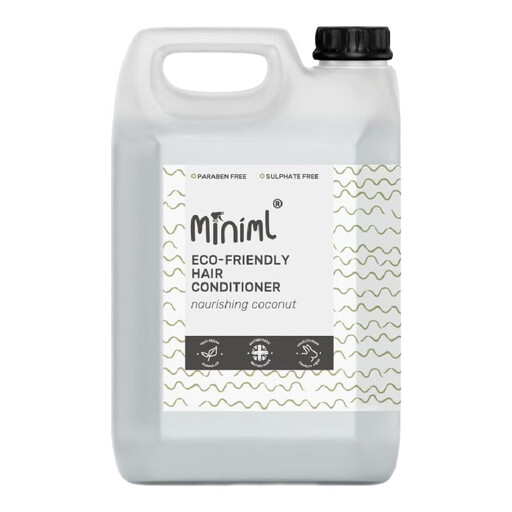
Why This Fits Their Persona: This bulk 5L container is perfect for families looking to reduce plastic waste and save money. The formula is gentle enough for everyone, including those with sensitive scalps and its zero-waste refill conditioner programme is a standout feature for environmentally-minded UK households.
It sidesteps the "natural mirage" by being genuinely biodegradable and free from sulphates, parabens and silicones. It focuses on real, gentle conditioning rather than a temporary cosmetic effect.
Supports a zero-waste lifestyle with a UK-wide bottle return programme. The versatile, sulphate-free formula is suitable for all hair types.
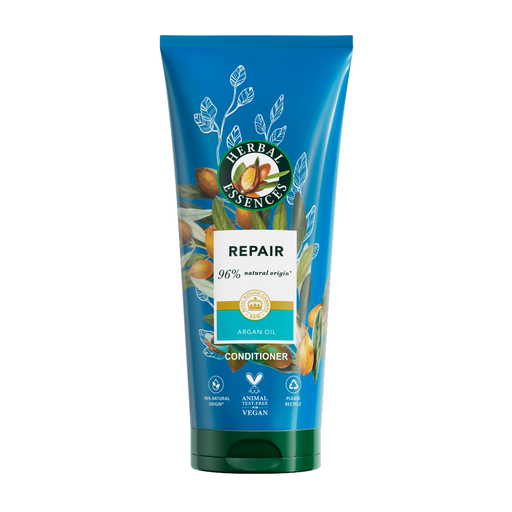
Why This Fits Their Persona: For those dealing with the effects of heat styling or colouring, this argan oil conditioner offers a targeted approach. Its flexible use as either a rinse-out or a leave-in conditioner provides an extra layer of care when hair needs it most.
It avoids being a one-size-fits-all product by focusing specifically on repair for damaged hair. The brand also provides transparency with its 96% natural origin formula, certified by the Royal Botanic Gardens, Kew.
Versatile dual-use as a rinse-off or leave-in treatment. It is a cruelty-free and vegan hair conditioner.
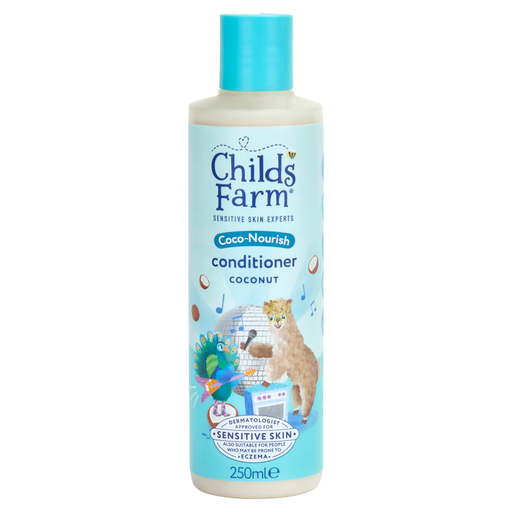
Why This Fits Their Persona: This is an ideal hydrating conditioner for curly hair and is also a great children's conditioner. Because it is dermatologist and paediatrician approved, it's a reliable choice for anyone with a sensitive scalp or skin prone to eczema, who needs gentle yet effective moisture.
It directly counters the one-size-fits-all trap by being specifically formulated for dry and curly hair. It is also silicone-free, avoiding the build-up that can weigh down curls and block moisture.
Formulated with nourishing coconut oil and water to define curls. The tear-free, quick-rinse formula is fuss-free and approved for sensitive skin.
We have compiled a complete, real-time list of products that fully satisfy these strict selection criteria and UK safety regulations.
1. How often should I use a nourishing hair conditioner? For most hair types, using a nourishing conditioner after every wash is beneficial. If you have very fine hair, you might consider alternating with a lighter formula to prevent it from being weighed down. For those with very dry or damaged hair, using a nourishing conditioner with every wash is essential. You may also find that adding a weekly deep conditioning treatment or a daily leave-in conditioner provides extra benefits.
2. Will a sulphate-free conditioner work as well? This is a common question. It's important to remember that shampoos are for cleansing and conditioners are for nourishing. A sulphate-free conditioner is designed to work with a shampoo to restore moisture and detangle. When paired with a gentle, sulphate-free shampoo, this combination cleanses your hair effectively without stripping its natural oils, leaving it both clean and properly moisturised.
3. What is the difference between a rinse-out and a leave-in conditioner? A rinse-out conditioner is typically a thicker cream applied to wet hair after shampooing and is rinsed out after a few minutes. Its main job is to provide moisture and make detangling easier. A leave-in conditioner is usually a lighter spray or lotion that is applied to damp or dry hair and is not rinsed out. It offers continuous hydration, frizz control and protection from environmental factors throughout the day. Some versatile products can be used in both ways, offering flexibility in your hair care routine.