Runners choosing a portable pre-run snack
If you are considering a single grab bag before a 5k, the time until the start and the amount you intend to eat matter as much as the pack’s convenience.


For the two to three hours before a 5k, a nut-only grab bag is not the closest match to the British Dietetic Association’s advice to choose a low-fat, high-carbohydrate snack or light meal. If you want a nut-containing option, a fruit-and-nut pack offers more carbohydrate than the plain cashew and protein-focused packs compared here, but it still contains fat; consider the portion, timing and your familiarity with the food. Plain nuts and protein-focused mixes make more sense as later snacks than as your main pre-run carbohydrate choice.
If you are considering a single grab bag before a 5k, the time until the start and the amount you intend to eat matter as much as the pack’s convenience.
Dried fruit can change the carbohydrate content of a nut mix. Check the full portion alongside its fat content and ingredients rather than treating every mixed bag as the same kind of snack.
If you want a portable nut-and-seed snack later in the day, protein and pack size may be more relevant to your choice than whether it fits a pre-run carbohydrate plan.
Decide when you will eat the snack, then compare nutrition for the portion you will actually have. The British Dietetic Association advises a low-fat, high-carbohydrate snack or light meal two to three hours before exercise; that advice does not make every portable nut product interchangeable.
| Priority | What to check | Your needs |
|---|---|---|
| Timing and carbohydrate | Check the time before the run, carbohydrate per portion and fat per portion. Compare a nut pack with the British Dietetic Association’s low-fat, high-carbohydrate pre-exercise guidance. | For a snack two to three hours before my 5k, I want to know whether the whole portion fits a carbohydrate-led plan, not just whether it is easy to carry. |
| Food familiarity | Look at the fat content and ingredient mix, especially if the snack would be eaten close to the start. Try an unfamiliar food during training rather than for the first time on event day. | I would rather use a snack I already know when the run is soon; a richer nut mix can wait until later. |
| Pack portion | Check the pack weight and whether you will eat all of it. Marks & Spencer lists a 70 g Fruit and Nuts pack and a 30 g nut-and-seed mix; Tesco lists a 60 g cashew pack. | A single pack is convenient, but I need its nutrition for the amount I will actually eat. |
| Ingredients and allergens | Read the current pack’s ingredients, highlighted allergens and any may-contain statement. The Food Standards Agency distinguishes tree nuts from peanuts, and individual mixes can include other allergens. | If an ingredient matters to me, I need to check this exact product rather than assuming another nut snack has the same allergen information. |
The British Dietetic Association recommends a low-fat, high-carbohydrate snack or light meal two to three hours before exercise. For comparison, Tesco lists 43.8 g fat per 100 g for its cashew snack pack, while Marks & Spencer lists 29.5 g per 100 g for Fruit and Nuts.
Choose the timing first. If your aim is a carbohydrate-led pre-run snack, compare the whole portion’s carbohydrate and fat rather than relying on the fact that a nut bag is portable.
A 30 g pack and a 70 g pack contain different amounts of food. Based on Marks & Spencer’s listed figures, its full 70 g Fruit and Nuts pack contains about 31.5 g carbohydrate; Tesco’s listed figures put its full 60 g cashew pack at about 16.1 g.
Compare the amount you plan to eat, particularly when choosing between a small portion pack and a larger single bag.
The products differ: Marks & Spencer’s Fruit and Nuts includes several tree nuts and sulphites, while Tesco says its cashew pack may contain peanuts, sesame seeds and soya. The Food Standards Agency identifies peanuts and tree nuts as different ingredient categories.
Read the ingredients and allergen statement on the exact pack before eating it; neither the brand nor the appearance of the mix establishes its contents.
Tesco lists KP salted and dry-roasted peanut multipacks in five 30 g portions. That portion format does not, by itself, tell you how a particular pack compares for carbohydrate, fat, salt or allergens.
Use the portion size to shortlist a format, then check the nutrition and ingredient information on the product you receive.
These examples illustrate different pack formats and nutrition profiles; a brand name alone does not determine whether a snack suits the time before your run.
Marks & Spencer lists a 70 g Fruit and Nuts pack and a 30 g Protein Packed Nut and Seed Mix. They serve different buying priorities.
Tesco lists several snack-sized own-label nut packs, including a 60 g cashew pack.
Tesco lists KP salted and dry-roasted peanut snack multipacks, each with five 30 g portions.
These Joybuy options include chestnuts, individually portioned fruit-and-nut or oat bars, and a savoury nut mix. They are different formats: compare the exact portion and label against your plans for before or after a 5k.
 No image available
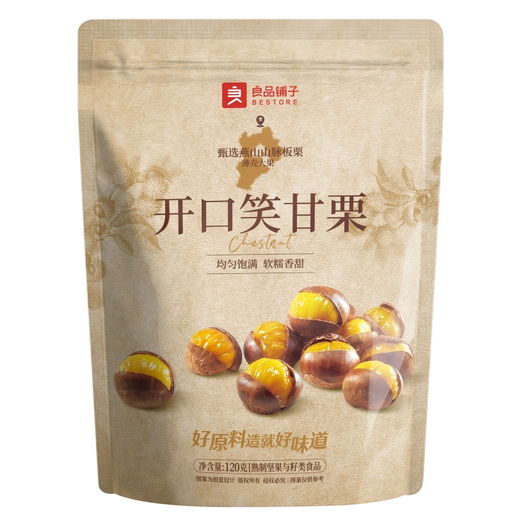
If you are considering chestnuts before a 5k, check the carbohydrate and fat figures for the portion you intend to eat. This is a 120 g bag rather than an individual bar; check its current ingredients and allergen label too.
 No image available
The individual 35 g bars offer a smaller portion format than a full grab bag. For pre-run use, compare the nutrition and ingredients for one bar with your intended timing, and check the allergen statement on the pack.
 No image available
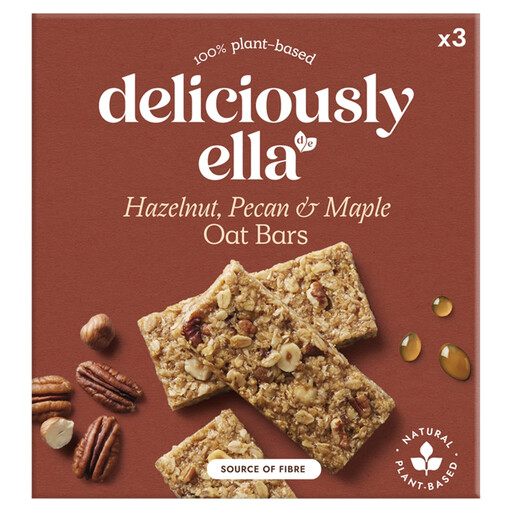
This oat-and-nut bar format is an alternative to a loose nut bag. Check how many bars you plan to eat, then compare that portion’s carbohydrate, fat and ingredients with your pre-run timing.
 No image available
If you want a savoury nut mix for later snacking, this comes in a 100 g bag. Before treating it as a pre-run portion, check how much you would eat and read its nutrition, ingredients and allergen information.
 No image available
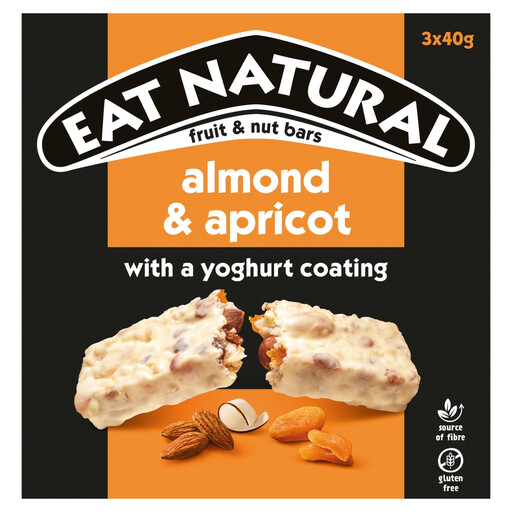
The three-pack gives you a bar format rather than one loose snack bag. Check the nutrition for the number of bars you intend to eat, particularly the carbohydrate and fat figures if the snack is for before a run; read the current allergen label as well.
A nut-only bag is not the closest match to the British Dietetic Association’s advice to have a low-fat, high-carbohydrate snack or light meal two to three hours before exercise. If you choose a nut-containing snack, consider the portion and timing, and avoid trying an unfamiliar food for the first time on event day.
It can, but compare specific packs rather than assuming every mix does. Marks & Spencer lists 45 g carbohydrate per 100 g for Fruit and Nuts, or about 31.5 g in its 70 g pack; Tesco lists 26.9 g per 100 g for its cashews, or about 16.1 g in its 60 g pack. The M&S pack also contains about 20.7 g fat, so it is not equivalent to a low-fat snack.
It fits a protein-priority snack after the run or between meals more directly than a carbohydrate-led pre-run choice. Marks & Spencer states that its 30 g Protein Packed Nut and Seed Mix contains 10 g protein per pack; its nutrition panel lists 7.5 g carbohydrate and 44.5 g fat per 100 g.
Read the ingredients and allergen statement on the exact pack, including any may-contain wording. Food Standards Agency guidance says UK prepacked food must carry an ingredients list with allergens present emphasised; the listed Tesco cashew pack, for example, says it may contain peanuts, sesame seeds and soya.
No. Use the per-100 g figures to compare products, then account for the amount you will eat. A full 70 g pack and a 30 g portion provide different quantities even when their labels use the same per-100 g basis.