Occasional sellers who want a quick handover
Separately sealed 30g or 50g portions can be displayed and handed over without opening a larger bag. Keep the manufacturer’s packaging with each portion so customers can inspect its food information.


For nut refreshments that can be handed over without portioning at a car boot stall, choose factory-sealed individual packs or a multipack with separately sealed portions. A larger sharing bag is not an individual grab bag: opening and repacking it adds food-handling and allergen-information responsibilities, so check the requirements for your sales method before taking that route.
Separately sealed 30g or 50g portions can be displayed and handed over without opening a larger bag. Keep the manufacturer’s packaging with each portion so customers can inspect its food information.
A sharing bag requires a different approach if you intend to open and package its contents for sale. GOV.UK guidance says food businesses must manage food safety, allergy risks and supplier traceability; check with the relevant local authority how those duties apply to your stall.
Choose a format that lets customers inspect the current ingredients and allergen wording on the pack they receive. Peanut products need particular care around people with allergies, and peanuts should not be presented as a snack for small children.
Start with the unit you intend to hand to a customer, then check its label and whether you would need to handle the food yourself.
Choose when: You want to hand over a nut packet without opening, dividing or packaging its contents.
Trade-off: Check that each portion retains the information customers need; a multipack’s outer wrapper should not be your only source of information for a separately sold unit.
Choose when: You are buying for private sharing, or you have established how to handle and sell portions under the rules that apply to your food business.
Trade-off: A sharing bag does not give each customer an original, individually labelled packet.
| Priority | What to check | Your needs |
|---|---|---|
| Portion format | Check whether a 30g or 50g unit is sealed separately, and whether its pack information stays with it when handed over. | I want a defined portion that I can offer without decanting nuts at the stall. |
| Ingredients and allergens | Read the current ingredients and allergen wording on the physical pack. Check each distinct flavour or product rather than assuming the wording is shared. | Customers need to be able to inspect the information for the particular snack they are considering. |
| Salt and flavour | Compare the declared salt information on the same basis, such as per 100g, and check the seasoning ingredients. Tesco Groceries lists 0.80g salt per 50g pack for KP Dry Roasted Peanuts. | I may want to offer a choice of seasonings, but pack size and flavour alone do not tell me the salt content. |
| Handling and labelling | Decide whether you will sell an unopened manufacturer’s pack or open and package food yourself. GOV.UK says food businesses must manage food safety, allergy risks and supplier traceability. | If I plan to make my own portions, I need to establish the requirements for that method before selling them. |
Once a larger bag is opened and divided, customers no longer receive the original labelled pack for each portion.
Choose sealed individual units for a straightforward handover. If you intend to package nuts yourself, ask the relevant local authority about the food-safety, allergen and labelling requirements for your sales method.
Portioning also adds handling, packaging and record-keeping work.
Pack sizes and seasonings differ, and a larger unsalted bag does not serve the same purpose as a sealed single portion.
Choose the format first, then compare the physical packs’ ingredients, salt declarations and portion sizes.
Customers need information for the food actually offered, particularly when they are checking allergens.
Inspect the pack’s ingredients, allergen wording, date and condition when buying stock, and keep its original information available during sale.
Peanuts can present a choking risk to small children.
Keep any safety warning on the original pack accessible and do not present peanut packets as a child-focused refreshment.
These examples illustrate pack formats to compare; the name on a range does not establish that every product comes as an individual portion.
Tesco Groceries lists KP 50g peanut packs and 5 × 30g snack packs, while ASDA Groceries lists a 250g unsalted pack.
Tesco Groceries provides examples of KP single packs and multipacks alongside larger peanut-bag formats.
Marks & Spencer describes pocket-sized portions and sharing packs within its mixed-nut range.
These options include portion-sized peanut packets and peanut-containing bars for car boot sale refreshments. The bars are alternatives to, not bags of, nuts; check each unit’s packaging before offering it separately.
 No image available
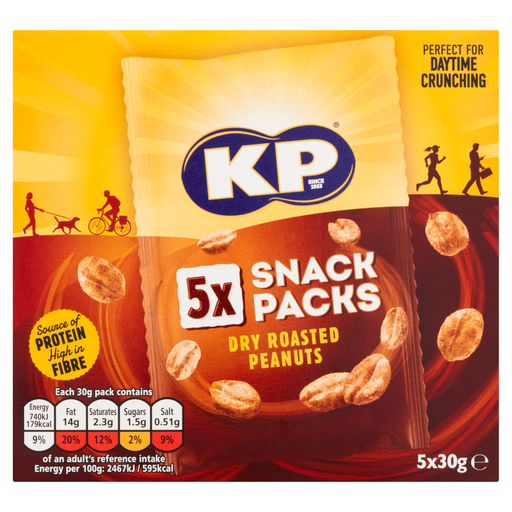
The 5 × 30g format is relevant when you want smaller peanut portions. Check the inner packets’ ingredients, allergen wording and dates before offering them as separate units.
 No image available
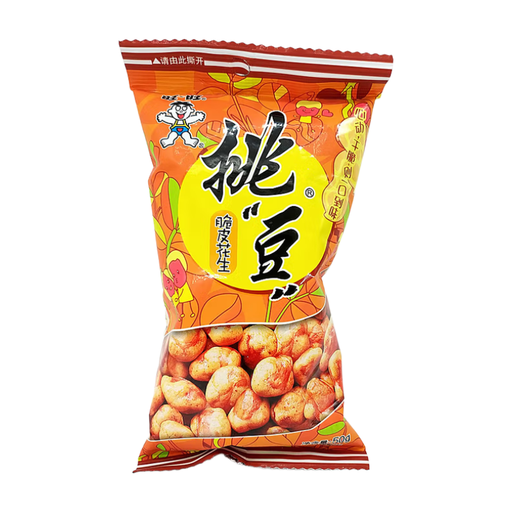
This 50g peanut product is a single-portion format to consider for handover. Check the physical packet for its full ingredients and allergen information before sale.
 No image available
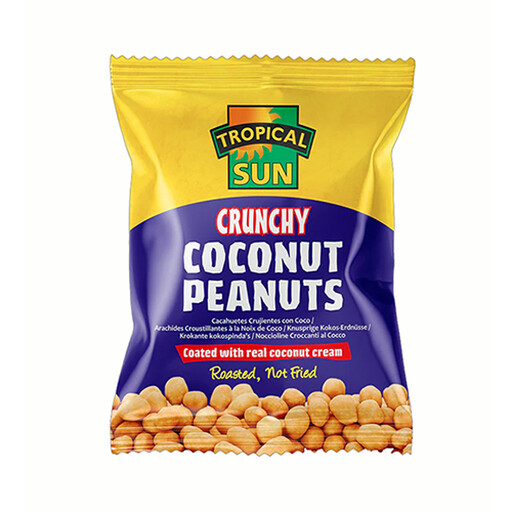
The 50g format offers a portion-sized peanut option with coconut flavour. Inspect the actual unit’s ingredient and allergen wording, particularly if offering it alongside plain peanuts.
 No image available
This is a multipack of peanut-and-chocolate bars, not a nut grab bag. If offering bars separately, check that each 40g unit retains the food information customers need.
 No image available
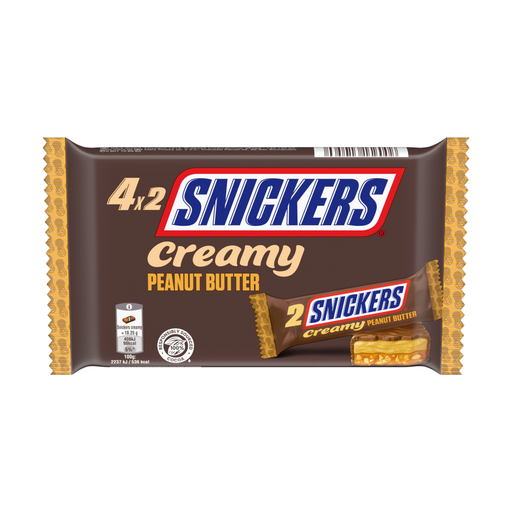
This four-pack is a chocolate-bar alternative rather than a bag of nuts. Check each bar’s wrapper and allergen information before deciding whether to offer the units separately.
Registration depends on whether your activity is a food business. GOV.UK guidance says food businesses selling from temporary premises such as stalls must register; ask the relevant local authority how this applies to the frequency and nature of your sales before trading.
The original pack keeps its food information with the item a customer receives. GOV.UK and Food Standards Agency guidance says prepacked food must carry its name and a full ingredients list with mandated allergens emphasised; check that the information remains available on any unit you sell separately.
Do not treat repacking as equivalent to handing over a sealed manufacturer’s portion. GOV.UK guidance says food businesses must manage food safety, allergy risks and supplier traceability; ask the relevant local authority which packaging and labelling requirements apply to how and where you prepare and sell the smaller bags.
Use the salt declaration on the physical packs and compare on the same basis, such as per 100g, rather than comparing unlike portion sizes. Tesco Groceries lists 0.80g salt in a 50g pack of KP Dry Roasted Peanuts; check the labels of other flavours and formats for their own values.
Do not present peanuts as a child-focused snack: small children can choke on them. Keep the original pack and any safety warning available for customers to read.