Leisure cyclists wanting a pocket snack
A sealed portion is convenient for an easy ride or a stop. Check its weight against what you intend to eat: a single pack and a larger bag divided at home offer different kinds of portion control.


A small, sealed nut pack makes sense when you want a measured snack for an easy ride or a stop. For high-intensity riding lasting 1–2.5 hours, plan carbohydrate separately: Sainsbury's lists 1.7g carbohydrate in a 30g KP peanut pack and Tesco lists 3.5g in a 30g serving of Planters nuts, while a 2015 sports-nutrition review published in Nederlands Tijdschrift voor Geneeskunde advises 30–60g carbohydrate per hour for exercise of that duration.
The useful format depends on whether you want a convenient snack or need to plan what you will eat while riding.
A sealed portion is convenient for an easy ride or a stop. Check its weight against what you intend to eat: a single pack and a larger bag divided at home offer different kinds of portion control.
Check carbohydrate per portion rather than relying on a nut snack's protein content. For high-intensity exercise lasting 1–2.5 hours, a 2015 review published in Nederlands Tijdschrift voor Geneeskunde advises 30–60g carbohydrate per hour.
Read the current pack's ingredients and any precautionary statements before taking it on a ride. GOV.UK guidance says regulated allergens included as ingredients in prepacked food must be clearly labelled in the ingredients list.
Start with the ride you are planning, then compare the amount in a pack with its per-serving label. A 30g nutrition figure does not describe a whole larger bag.
| Priority | What to check | Your needs |
|---|---|---|
| Ride fuel | Read carbohydrate per portion and work out what your other food and drink provide. A 2015 review published in Nederlands Tijdschrift voor Geneeskunde advises 30–60g carbohydrate per hour for high-intensity exercise lasting 1–2.5 hours. | For a hard ride of that length, I need to plan carbohydrate intake rather than count a nut pack as my main fuel. |
| Portion format | Compare the weight of one sealed pack with the serving size on the nutrition label. Sainsbury's lists KP peanuts in individual 30g packs; Tesco lists Planters Protein Nuts Mix as a 110g bag with nutrition per 30g. | For a stop, I would rather carry one measured portion; if I take a larger bag, I can divide it before leaving. |
| Salt and ingredients | Compare salt per stated serving and read the ingredient list on the exact variant. Sainsbury's lists 0.36g salt per 30g KP salted peanut pack, while Tesco lists 0.0g per 30g of Planters Protein Nuts Mix. | I want to choose the nut type and seasoning deliberately, not assume two small snacks have the same contents. |
| Allergens | Check the current ingredients list and precautionary statements for the exact pack. GOV.UK guidance requires regulated allergens included as ingredients in prepacked food to be clearly labelled. | Before putting a snack in my pocket, I need to know whether its ingredients or precautionary statements matter to me. |
Sainsbury's lists 9g protein but 1.7g carbohydrate in a 30g KP peanut pack; Tesco lists 8.3g protein and 3.5g carbohydrate in a 30g Planters serving. Those carbohydrate amounts are small beside the 30–60g-per-hour advice in a 2015 sports-nutrition review published in Nederlands Tijdschrift voor Geneeskunde for high-intensity exercise lasting 1–2.5 hours.
For that kind of ride, plan carbohydrate from your food and drink separately. Take nuts as an additional snack if you want them and find them comfortable to eat.
The labels differ: Sainsbury's lists 0.36g salt per 30g KP salted peanut pack, while Tesco lists 0.0g per 30g Planters Protein Nuts Mix serving.
Compare the salt figure, nut types and other ingredients on the pack you intend to buy.
Tesco lists Planters Protein Nuts Mix in a 110g bag, but its nutrition figures are given per 30g serving. The whole bag and the labelled serving are different amounts.
If you want a measured snack, divide a larger bag before setting off or choose an individually packed portion.
Peanuts, other nut ingredients and precautionary statements need checking product by product. GOV.UK guidance says regulated allergens included as ingredients in prepacked food must be clearly labelled in the ingredients list.
Read the current physical pack, particularly when changing products or pack sizes; do not assume a peanut snack has the same allergen information as a mixed-nut snack.
These examples illustrate different pack formats; check the exact product label rather than applying one product's figures to an entire range.
Sainsbury's lists a KP salted peanut multipack containing five individual 30g portions.
Tesco lists Protein Nuts Mix as a 110g bag for riders who are willing to portion nuts themselves.
Tesco's own-label search results include a 55g roasted-nut snack pack and 60g almond and cashew snack packs.
These Joybuy options include individually packed bars, a nut-and-dried-fruit mix and chestnut snacks. They are not interchangeable with a plain 30g nut grab bag: compare each product's serving label and ingredients with your ride plan.
 No image available
The four 35g bars offer separate portions to carry. If you intend to eat one while riding, check its carbohydrate figure and ingredients against the rest of your planned food and drink.
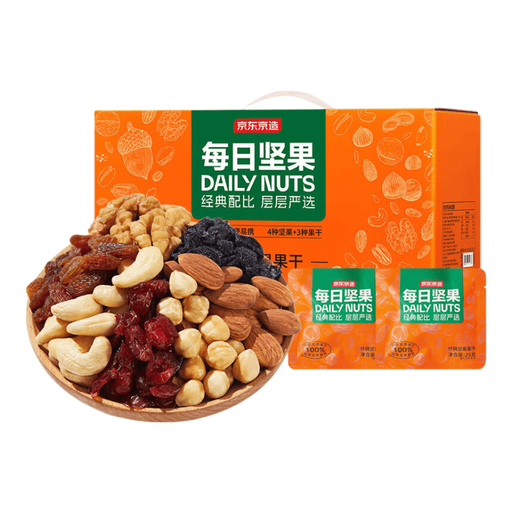 No image available
The sachet format lets you take a portion without dividing the full box before a ride. As this is a nut-and-dried-fruit mix, check the per-sachet nutrition and current allergen declaration rather than applying figures from a plain-nut product.
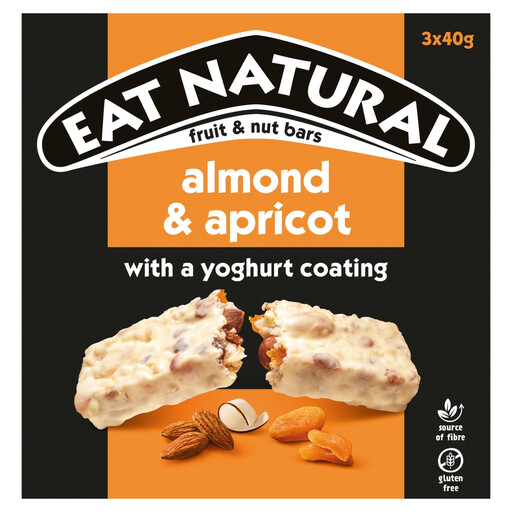 No image available
This almond-and-apricot bar multipack offers an alternative to loose nuts when you want a separately wrapped snack. Read the carbohydrate amount per bar, ingredients and allergen declaration before including it in an on-bike plan.
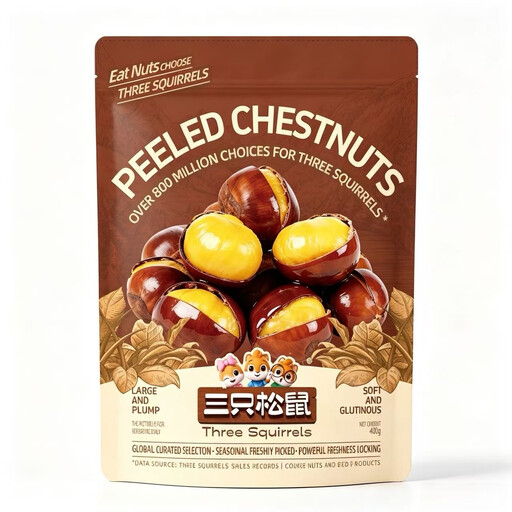 No image available
If you are considering chestnuts instead of a conventional nut mix, check how the 400g product is packed and what amount you would carry. Use the label's carbohydrate figure for the portion you actually plan to eat.
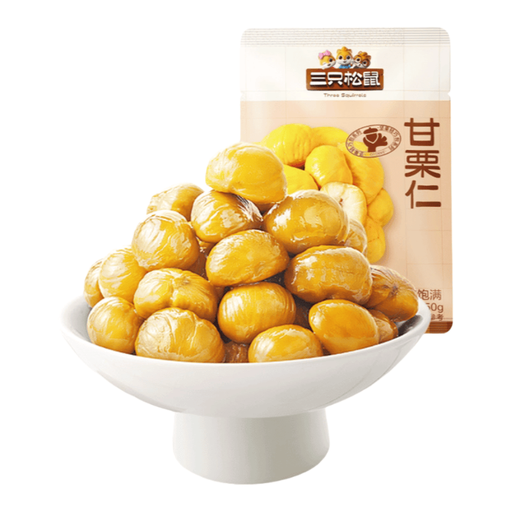 No image available
The named 50g pack gives you a defined amount to carry for a stop or ride. Check its nutrition per pack and current ingredient and allergen information before treating it as part of a carbohydrate plan.
Do not rely on the nut examples here as your main carbohydrate source for that ride. Sainsbury's lists 1.7g carbohydrate per 30g KP peanut pack and Tesco lists 3.5g per 30g Planters serving; a 2015 review published in Nederlands Tijdschrift voor Geneeskunde advises 30–60g carbohydrate per hour for high-intensity exercise lasting 1–2.5 hours. Plan other food and drink accordingly.
A sealed 30g pack can be a convenient measured snack for an easy ride, a stop or after riding. Cycling UK says fuelling choices depend on the distance, preparation, food eaten during the ride and what follows it, so do not treat the pack format alone as a fuelling plan.
Choose by comparing the actual serving label with your preferences and dietary requirements. Sainsbury's lists 0.36g salt in a 30g KP salted peanut pack, while Tesco lists 0.0g in a 30g Planters Protein Nuts Mix serving; neither figure alone determines what food or drink you need on a ride.
Read the current pack's ingredients list and any precautionary statements for allergens relevant to you. GOV.UK guidance says regulated allergens included as ingredients in UK prepacked food must be clearly labelled in the ingredients list; do not assume different nut snacks have the same declaration.
Use the listing to compare candidate products, then check the physical pack before eating. Ingredients and nutrition information can change, and the serving figure on a page may describe only part of a larger bag.