Families at schools that permit nuts
If the school allows nut and peanut products in packed lunches, check the chosen food’s allergen label and pack size before adding it to the lunch routine.


Check the secondary school’s current packed-lunch and allergy policy before buying a nut or peanut snack: if it excludes those foods, choose a different snack. Where they are permitted, a clearly labelled individual pack can make lunch packing simpler, but its ingredients, allergens, portion size, salt and sugars still need checking on the pack you buy.
If the school allows nut and peanut products in packed lunches, check the chosen food’s allergen label and pack size before adding it to the lunch routine.
An individual sachet avoids dividing a larger pack at home. Check its weight: a 30g sachet, 50g bag and 75g bag are different amounts, even when each is sold as a portable snack.
Plain, salted and honey-roasted products need to be compared by their own ingredient lists and nutrition panels. The flavour name alone does not tell you the amount of salt or sugars in the bag.
Start with the school’s policy and the pupil’s allergen needs. If a nut snack is suitable on those grounds, compare the amount in one pack and read its label.
| Priority | What to check | Your needs |
|---|---|---|
| School policy and allergens | Check the current school policy for both nuts and peanuts. Read the full ingredient and allergen statements, including any precautionary wording; a mixed-nut bag has different ingredients from a peanut bag. | I need a snack the school permits and that is suitable for the pupil’s allergen requirements. Department for Education guidance for England says schools may discourage allergens such as nuts from being brought on site; the individual school’s policy determines what to pack. |
| Amount per pack | Look at the weight of the individual sachet or bag, not just the multipack weight. Compare the amount you intend to pack: documented formats include 30g sachets, 50g peanut bags and a 75g mixed-nut bag. | A sealed portion would save me dividing a larger pack, but I still want to choose the amount that goes into this lunch. |
| Flavour and nutrition | Compare energy in kcal, salt and sugars for the amount in the lunchbox; use per-100g figures to compare differently sized products. Check for added ingredients such as sugar, honey or syrup. Traffic-light labelling, where present, shows levels of fat, saturates, sugars and salt. | If I’m choosing between plain and flavoured nuts, I want to know what is in the particular packet. KP Nuts lists 4.2g sugars and 0.23g salt per 30g for its Honey Roast Snack Pack; those figures do not describe other flavours. |
| Current pack details | Read the purchased pack’s ingredients, allergen wording and nutrition panel, particularly if the recipe or pack size has changed. Check the best-before date before packing it. | I want the decision to reflect the food going into the school bag, rather than details remembered from an earlier purchase or retailer listing. |
Even a small sealed bag is unsuitable for a school lunch if the school asks families not to bring nuts or peanut-containing foods.
Check the current packed-lunch policy or ask the school before buying for school use. Keep another snack in mind for trips or changes to the arrangements.
Flavouring can change the ingredient list and nutrition figures. KP Nuts lists sugar, honey, glucose syrup and salt in its Honey Roast Snack Pack, with 4.2g sugars and 0.23g salt per 30g.
Compare the exact products’ ingredients and nutrition figures on the same basis, including the amount you plan to pack.
A 50g individual peanut bag or 75g mixed-nut bag contains more food than a 30g sachet. A portable format does not, by itself, establish the portion you want to pack.
Check the weight of each individual pack rather than relying on the multipack’s total weight.
Ingredients and allergen information can change. For an allergy decision, an earlier listing is no substitute for the label on the purchased product.
Read the physical pack each time you buy a different product or notice a change to its packaging or recipe.
These examples illustrate pack formats and label details to compare; they are not a list of brands available in every shop.
KP Nuts lists a Honey Roast Snack Pack in a 5 x 30g multipack. Tesco also lists individual 50g KP peanut bags in other flavours.
Tesco Groceries lists KP 50g individual peanut bags and a 5 x 30g salted peanut snack-pack format.
M&S Food’s 75g Nut Collection contains almonds, Brazil nuts, cashews and hazelnuts in equal proportions.
These options include packaged chestnuts, a nut-and-fruit mix and nut-containing bars. They differ in format and ingredients, so check the school’s policy and the label on the product you choose; a bar is not the same format as a bag of nuts.
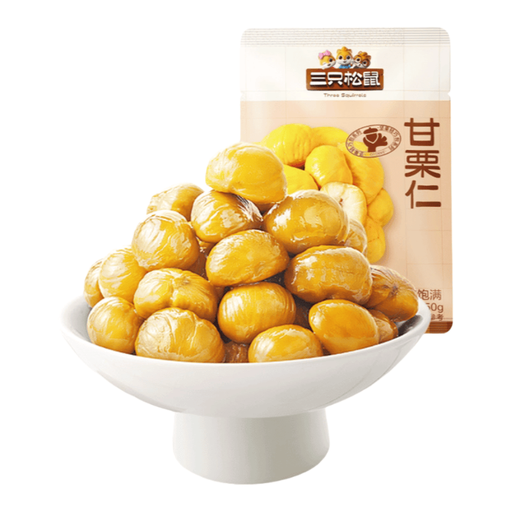 No image available
The 50 g pack is an individual chestnut snack rather than a peanut bag. Check the purchased pack’s ingredients and allergen wording, and confirm that the school permits it before packing it.
 No image available
Four 35g bars provide individually packed portions, but these are bars rather than grab bags of loose nuts. The supplied product information identifies peanuts and hazelnuts; check the full allergen statement and school policy before packing one.
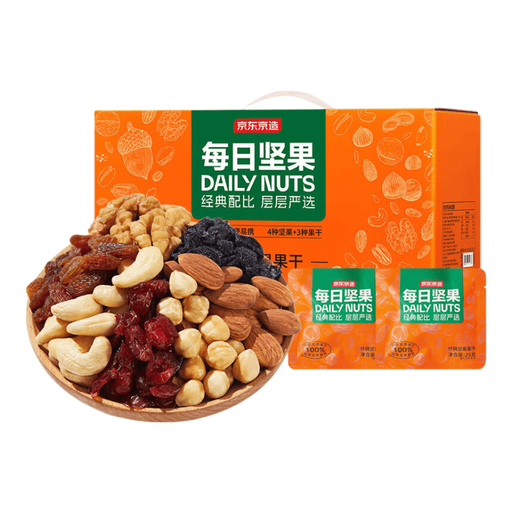 No image available
Thirty sachets provide individually packed portions of a nut-and-dried-fruit mix. Check the weight of a sachet and the current ingredient and allergen list before choosing it for a school lunch; the supplied product information identifies walnuts, almonds, cashews and hazelnuts.
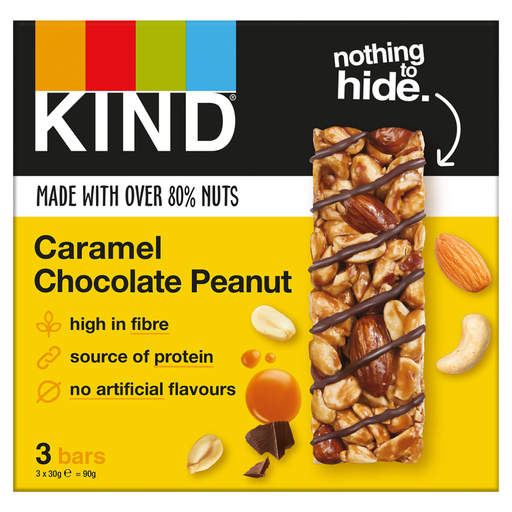 No image available
This pack contains three 30g nut-containing bars, not bags of loose peanuts. The supplied product information identifies peanuts, almonds, cashews and soya; read the purchased pack for its full allergen statement and ingredients, and check the school’s policy.
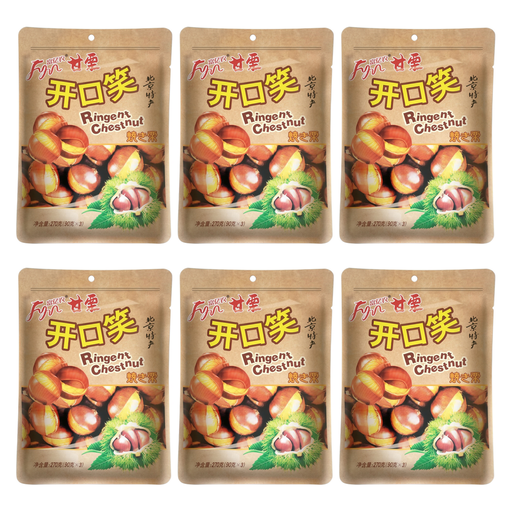 No image available
These are packaged chestnuts rather than a mixed-nut snack. The named format has three packs per 270g box and six boxes; check the individual pack size before treating one pack as the amount for a lunch, along with its label and the school’s policy.
Check the individual school’s current policy rather than assuming the same rule applies everywhere. Department for Education guidance for England says schools may discourage allergens such as nuts from being brought on site. If your school excludes nuts or peanuts, choose a different snack for school.
Read the school’s wording: a policy may address peanuts, tree nuts or both. The Food Standards Agency distinguishes peanuts, which are legumes, from tree nuts, but that distinction does not establish what a particular school permits. Check the product label as well.
A sealed 30g sachet gives you a stated amount without dividing a larger pack. Tesco Groceries also lists 50g individual peanut bags, while M&S Food lists a 75g mixed-nut bag. Choose the pack size deliberately rather than treating these as equivalent portions.
Compare the exact packs’ ingredients, kcal, sugars and salt, using figures for the amount you would pack. Where traffic-light labelling appears, GOV.UK explains that it indicates levels of fat, saturates, sugars and salt. KP Nuts lists 4.2g sugars and 0.23g salt per 30g for its Honey Roast Snack Pack; do not apply those figures to another flavour.
Do not assume a mixed-nut bag is suitable because peanuts and tree nuts are different ingredients. M&S Food states that its 75g Nut Collection is not suitable for people with a nut, peanut or sesame allergy. Check the exact product’s current allergen statement and follow the individual’s established allergy advice.