Hosts cooking several oven dishes
If the nut loaf, vegetables and dessert overlap, you need to work out whether they can share one cooking temperature or need separately controlled cavities.


A built-in single fan oven is a sensible choice when the nut loaf is the main oven dish and sides can share a cooking temperature or be made in stages. Choose a double oven if dishes regularly need separate temperatures at the same time; steam assistance, self-cleaning and access features are conveniences rather than requirements for the nut loaf. Whichever format you choose, check the usable space, cabinet fit and electrical requirements of the exact model.
If the nut loaf, vegetables and dessert overlap, you need to work out whether they can share one cooking temperature or need separately controlled cavities.
A single oven may cover the meal, but the replacement still has to fit the cabinet and suit the kitchen’s electrical arrangement.
If roasting and baking leave you with a lengthy wipe-down, compare cleaning systems and access to the cavity alongside cooking functions.
Choose it when: The nut loaf is the main oven dish and other food can share compatible settings or be cooked in stages.
Trade-off: One cavity cannot hold two independently controlled temperatures, even if the model offers multi-level cooking.
Choose it when: Your usual menu has dishes that must cook concurrently at different temperatures.
Trade-off: It needs suitable housing space and offers little practical advantage if you seldom use both cavities.
| Concern | What to check | Who this matters to |
|---|---|---|
| Cooking several dishes | Decide whether you need independently controlled cavities or suitable shelf positions in one fan oven. | If my vegetables or dessert need a different temperature while the nut loaf cooks, I need a way to keep the meal on schedule; around 37% of consumers put coordinating dishes first. |
| Roasting and timing | Compare the stated fan mode, usable cavity space and timer controls for the exact model. | I mainly want enough room for my loaf tin and straightforward control over cooking time; roughly 27% of consumers prioritise the main dish. |
| Cleaning | Identify the cleaning system and which surfaces or steps it covers; check its instructions. | After serving the meal, I would rather spend less time dealing with cooking residue; around 18% of consumers place clean-up first. |
| Installation and energy information | Match the installation drawing and connection requirements to your kitchen, then compare exact-model energy documents. | Before choosing cooking extras, I need confidence that the oven will fit and that I can compare its running information; approximately 18% of consumers make these checks their primary concern. |
A double oven helps when dishes need different temperatures simultaneously, but one fan oven may be enough for menus you can cook in stages.
Write down a typical dinner-party schedule before deciding whether the temperature conflict recurs often enough to matter.
External appliance dimensions do not tell you everything about the required cabinet opening, ventilation or electrical connection.
Compare your housing and electrical arrangement with the installation instructions for the exact model before ordering.
AEG and Bosch present the cited steam features chiefly as baking features; that does not establish a need for steam when roasting a nut loaf.
Consider steam assistance if its other baking uses matter to you. For this meal, settle the oven format, space and cooking controls first.
A headline class alone does not resolve differences in oven format or tell you whether a model meets your cooking and installation needs.
Compare the energy label and product information sheet for each exact model alongside its cavity arrangement and fitting instructions.
Bosch has single- and double-oven models relevant to fitted kitchens and cooking across several levels.
The AEG GA5PB501AB is a single-oven example for cooks who also value baking and cleaning features.
The Neff B64CS71G0B is relevant if access to the cavity and cleaning functions influence your single-oven choice.
The Candy FCI9D405X illustrates the separate-cavity format for a menu with competing oven temperatures.
These built-in single and double ovens offer options for a nut-loaf meal, whether one cavity fits your schedule or accompanying dishes need separate oven space. Check each model’s installation instructions before choosing.
 No image available
Consider the two-cavity format if other dishes need oven time alongside the nut loaf.
Check the required housing and electrical arrangement. Its main-oven catalytic liners should not be taken to eliminate all cleaning.
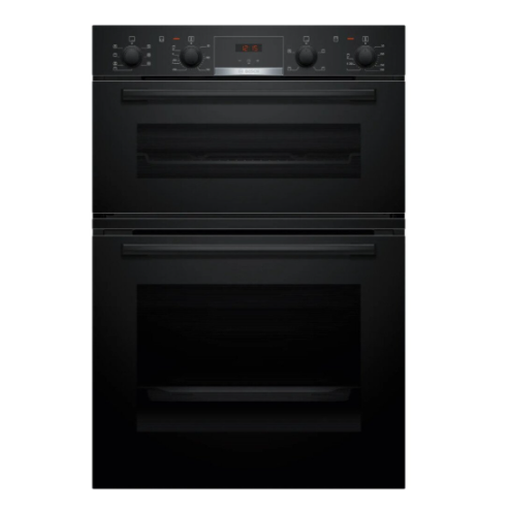 No image available
Consider this double oven if your menu regularly calls for two cooking cavities.
It is intended for eye-level installation rather than under a worktop; check the housing instructions and electrical provision.
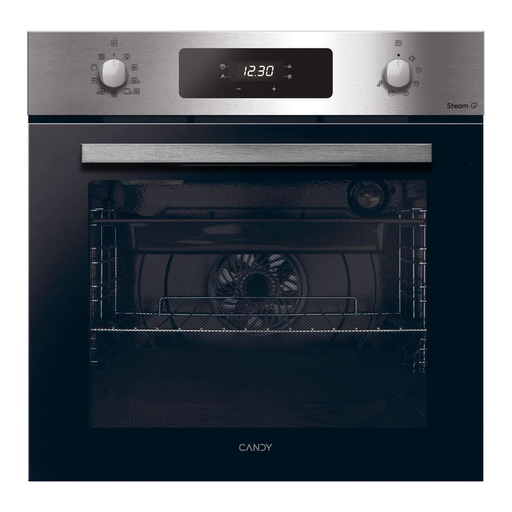 No image available
Consider a single cavity if the nut loaf and sides can share oven time or be cooked in stages.
Pyrolytic cleaning is listed for this model; follow its preparation and ventilation instructions and allow for wiping away residue afterwards. Confirm cabinet fit and electrical requirements.
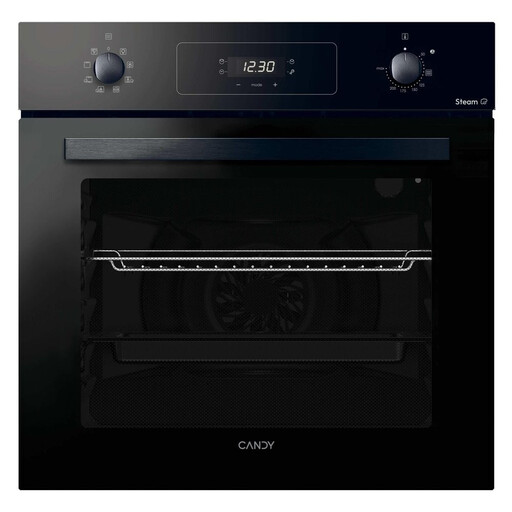 No image available
The single-cavity format is worth considering when the nut loaf is the main oven dish.
The stated capacity is 65 L; check your roasting tin against the usable space. Confirm the exact electrical connection arrangement and cabinet requirements before ordering.
 No image available
Consider this single oven when one cavity suits your dinner-party cooking schedule.
Check the cooking and timer controls you need, as well as the cabinet instructions and hardwired electrical installation requirements.
No. A single fan oven can suit the meal if accompanying dishes share compatible cooking conditions or can be made in stages. Choose a double oven when separate temperatures are a recurring need.
Steam assistance is not a requirement established for this dish. Bosch and AEG present the cited steam features primarily for baking, so consider them for other cooking you expect to do rather than assuming they improve the nut loaf.
Check the installation instructions for the exact oven and your kitchen’s connection. The cited Bosch and Neff models specify no plug and electrical connection by an electrician, but that model-specific requirement should not be assumed for every oven.
Compare the energy label and product information sheet for each exact model, not just its headline class. GOV.UK’s energy-information guidance says an energy label must be displayed at the point of sale, including on a website, for products within its scope.
No. AEG explains that its pyrolytic system leaves ash to wipe away. Check the instructions for the oven you choose, including any preparation needed before a cleaning cycle.