Hosts serving a small group
A five-pack gives you five defined portions to offer individually or put out gradually. Check the pack count against the number of guests; five packs do not necessarily mean five people will each want one.


Choose individually wrapped nut packs if you want to put out a few portions at a time rather than open one communal bag. The compared KP peanut multipacks each contain five 30 g packs: salted has a short ingredient list, dry-roasted offers a seasoned option, and honey-roast contains sugar and honey. Compare the nutrition and ingredients for the exact flavour, then check the pack’s allergen information before serving it to guests.
Separate packs are most useful when the number of servings and the information on each product matter more than having a single bowl to share.
A five-pack gives you five defined portions to offer individually or put out gradually. Check the pack count against the number of guests; five packs do not necessarily mean five people will each want one.
Salted, dry-roasted and honey-roast peanuts offer different ingredients and nutrition values. Compare the labels per 30 g pack, rather than assuming that equal pack weights mean equal salt or sugars.
Check the current pack’s ingredients and precautionary allergen statements before offering it. The Food Standards Agency distinguishes peanuts, which are legumes, from tree nuts such as cashews, almonds and hazelnuts; a product’s exact label matters more than its flavour name.
Start with the number and type of servings you need, then compare flavours using the same per-pack measure. For food shared with others, check allergen information on the pack you will serve.
| Priority | What to check | Your needs |
|---|---|---|
| Separate portions | Count the inner packs and check their weight. Tesco lists the compared KP salted and dry-roasted peanuts as 5 × 30 g; check whether that gives you enough servings. | I’d like to put out only the packs needed for this tea break and keep the rest sealed. |
| Flavour and ingredients | Compare salt, sugars and ingredients per pack. Tesco lists 0.36 g salt for KP salted and 0.48 g for KP dry-roasted per 30 g; Asda lists 4.2 g sugars and 0.23 g salt for KP honey-roast per 30 g. | A sweeter option might suit this group, but I want to see what the honey-roast recipe contains before choosing it. |
| Per-pack nutrition | Use the inner-pack serving size, not just the outer-pack total. Tesco lists 9 g protein and 2.6 g fibre in a 30 g KP salted pack, and 9 g protein and 2.7 g fibre in a 30 g KP dry-roasted pack. | If I’m comparing protein or fibre, I want figures for the portion someone will actually receive. |
| Allergen information | Read the ingredients and any precautionary statements on the current pack. The Food Standards Agency says prepacked foods carry an ingredients list with allergens present in the product emphasised. | Before I offer nuts to guests, I need to check the exact product against the allergies they have told me about. |
Equal portion weights do not mean equal recipes. Tesco lists 0.48 g salt per 30 g KP dry-roasted pack and 0.36 g for its salted pack, while Asda lists 4.2 g sugars in a 30 g KP honey-roast pack.
Choose the flavour you want, then compare its per-pack salt, sugars and ingredients with the other flavours you are considering.
The Food Standards Agency identifies peanuts as legumes and distinguishes them from tree nuts. The name of a peanut product alone does not tell you everything about its ingredients or precautionary statements.
Read both parts of the current pack’s allergen information and do not offer it where that information conflicts with a guest’s allergy requirements.
Five individually wrapped 30 g packs give you separate servings, not one open mix for everyone to take from. That distinction matters if you intend to serve the snack gradually.
Choose inner packs when separate portions suit the occasion; if you want a communal serving, check the format and guests’ allergen needs before deciding.
Product ingredients and allergen information can change, so the listing used to compare flavours may not describe the pack you have in hand.
Before serving, check that pack’s ingredients, allergen statements, best-before date and storage guidance.
These references help distinguish the compared products and label information; they are not a list of products available in the Joybuy selection below.
The compared KP peanut products include salted, dry-roasted and honey-roast flavours in five-pack, 30 g-per-pack formats.
Tesco’s listings provide a like-for-like 30 g serving basis for comparing KP salted and dry-roasted peanut snack packs.
Sainsbury’s lists KP Salted Peanuts Multipack x5 with nutrition and ingredients for a 30 g pack.
Asda lists the KP Honey Roast Peanuts Multipack as five 30 g packs.
M&S provides mixed-nut and nut-and-seed products to consider if a peanut-only multipack is not the format you want.
These options cover separate peanut servings, a peanut-and-fruit bar, a nut-and-fruit mix, pumpkin seeds and chestnuts. Check the format and pack count before treating any of them as a substitute for a five-pack of roasted peanuts.
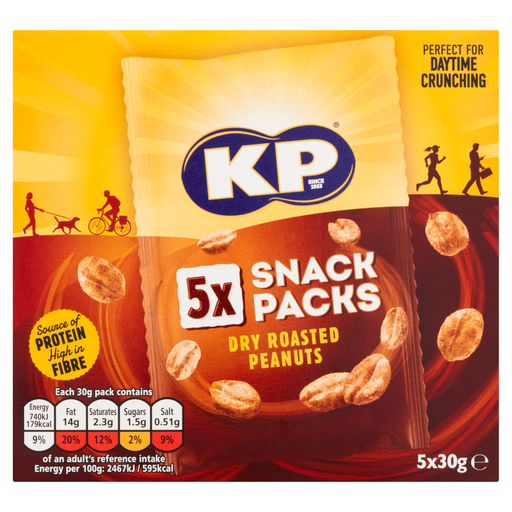 No image available
The five-pack format suits a tea break where you want to offer separate dry-roasted peanut portions.
Check the current pack’s salt value, ingredients and allergen statements before serving; the flavour alone does not establish those details.
 No image available
This is an option for offering separate bars rather than loose roasted nuts.
The pack contains four 35 g bars. Its fruit-and-nut format differs from the compared peanut snack packs, so check its ingredients and allergen statements for your guests.
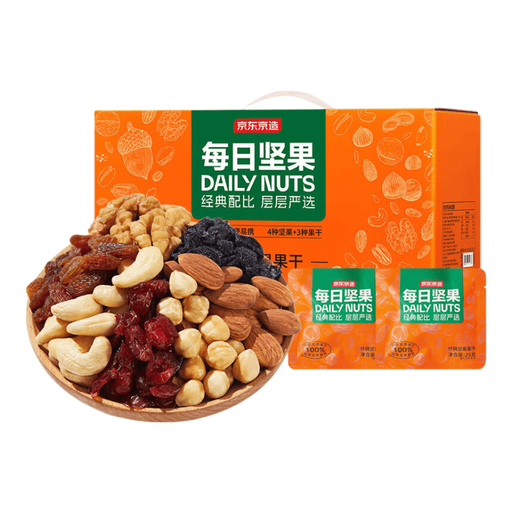 No image available
The 30-sachet format is worth considering when you need separate servings across more than one tea break.
This is a nut-and-dried-fruit mix rather than one peanut flavour. Check the exact nuts, other ingredients and allergen statements before offering it to guests.
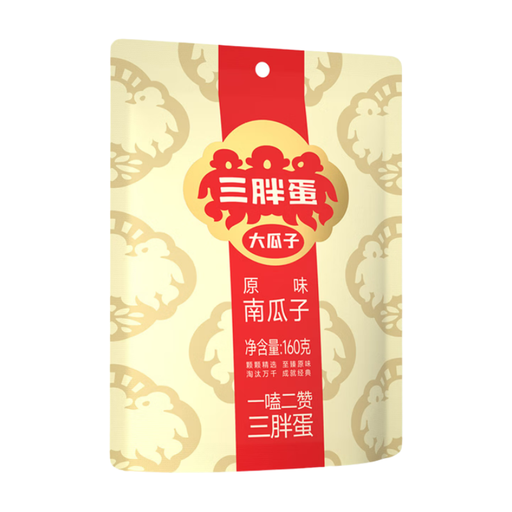 No image available
These are separate seed snacks for a group that wants a format other than nuts.
The multipack contains eight 20 g packs, 160 g in total. Pumpkin seeds are a different product from the peanut flavours compared above; read the physical pack’s full allergen information before serving.
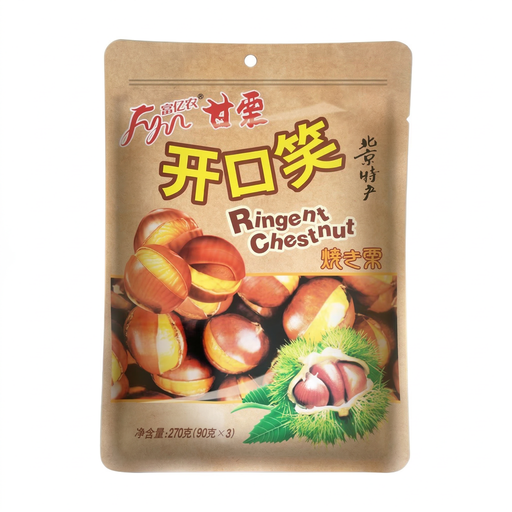 No image available
Three separate packs let you put out chestnuts at different points during a tea break.
The total pack weight is 270 g. Chestnuts are a different choice from roasted peanut snack packs; check the physical packaging for ingredients and precautionary allergen statements before serving.
It contains five separate 30 g packs. Tesco lists that format for both KP salted and KP dry-roasted peanuts; decide how many to open according to the number of people you are serving.
They are different recipes despite having the same 30 g portion size. Sainsbury’s lists peanuts, sunflower oil and salt for KP salted; Tesco lists 0.36 g salt per salted pack and 0.48 g per dry-roasted pack. Asda lists sugar and honey among the honey-roast ingredients, with 4.2 g sugars and 0.23 g salt per pack. Check the current label for the exact flavour you choose.
Read the ingredients and any precautionary allergen statements on the pack you have. The Food Standards Agency says prepacked food carries an ingredients list with allergens present in the product emphasised; check that information against your guests’ requirements rather than relying on the product name.
No. The Food Standards Agency identifies peanuts as legumes and gives cashews, almonds and hazelnuts as examples of tree nuts. That distinction does not establish whether a particular snack is suitable for someone with an allergy: check its exact ingredients, precautionary statements and the guest’s individual requirements.