Runners packing snacks for training
Separate packs are easy to put in a bag before leaving. If you plan to eat one around a run, compare its carbohydrate content with what you intended to carry and try the timing during training.


Choose individually packed nuts when you want stated portions to carry or hand out; a sharing bag makes more sense when you can divide it at home. Check carbohydrate per portion before relying on either during a long run: Sainsbury’s lists just 1.7g in a 30g pack of KP salted peanuts, while the UK Sports Institute advises runners to try food and timing during training.
Separate packs are easy to put in a bag before leaving. If you plan to eat one around a run, compare its carbohydrate content with what you intended to carry and try the timing during training.
Sealed portions can be handed out without dividing a communal bag. Before offering nuts, check each person’s allergy requirements and the current packet’s ingredients and precautionary statements.
Check salt per inner pack as well as per 100g, particularly when pack sizes differ. A product called a nut mix is not necessarily equivalent to a pack of salted peanuts.
Start with how you will carry or share the snack, then compare the nutrition panel and ingredients for the portion you will actually eat.
| Priority | What to check | Your needs |
|---|---|---|
| Pack format | Count the inner packs and note their stated weights. For a sharing bag, decide how you will divide and carry portions. | I want to put a stated portion in each running bag, or give each person a sealed pack without estimating handfuls. |
| Carbohydrate | Read the carbohydrate figure per pack or serving, not just the energy figure. Sainsbury’s lists 1.7g per 30g KP salted-peanut pack; Tesco lists 11g per 40g serving of KP Fruit and Nut Mix, which is a sharing bag. | If I am planning food for a long run, I need to know what this snack contributes rather than treating all nut products as interchangeable. |
| Salt and serving size | Compare salt per 100g and per inner pack. The NHS explains that nutrition information is given per 100g and may also be shown per portion; Sainsbury’s lists 0.36g salt in a 30g KP salted-peanut pack. | I prefer to compare the amount in the portion I will eat, especially when one product has 25g packs and another has 30g packs. |
| Ingredients and allergens | Read the current ingredients and any may-contain statement for every product. Cambridge University Hospitals advises checking labels on each purchase because recipes can change. | Before I share a pack, I need to know the other person’s allergy requirements rather than relying on the product name or a label I remember. |
| Sharing and storage | Check the bag’s serving information and instructions for keeping it after opening. Plan how to divide a larger bag if portions need to leave the house. | A bag for snacks at home works differently for me from portions that several runners will carry separately. |
A stated portion can contain little carbohydrate even when its energy figure looks substantial. Sainsbury’s lists 185 kcal but 1.7g carbohydrate in one 30g pack of KP salted peanuts.
Check carbohydrate per pack against the food and drink you plan to take, and try your chosen combination and timing during training.
Salt depends on the particular product and portion; the KP salted-peanut listing at Sainsbury’s gives 0.36g per 30g pack.
Use the per-100g panel to compare products, then check the per-pack figure for the amount you intend to eat.
A single bag does not provide the same ready-to-distribute portions as a multipack.
If you choose a larger bag, divide it using clean containers and follow its storage instructions.
Portioning and packing it yourself takes additional preparation.
Nut combinations and precautionary allergen statements differ between products. Cambridge University Hospitals notes that recipes can change.
Read the physical pack’s current ingredients and allergen information each time, and establish a runner’s allergy requirements before offering them any.
These examples illustrate different pack formats; a brand name alone does not tell you the portion size, ingredients or nutrition of another product in its range.
Sainsbury’s lists a five-pack of 30g KP salted-peanut portions. Tesco also lists a KP fruit-and-nut product as a sharing bag rather than a multipack.
Tesco lists Whitworths 1-Ders Nut Mix as five 25g packs containing cashews, almonds and walnuts.
ASDA lists a 200g own-label nut mix containing almonds, walnuts, cashews and hazelnuts in one sharing bag.
These options cover nut-based bars, mixed-nut sachets and a jujube-and-walnut gift box. Compare the stated pack format before choosing something to carry or share; they are not all plain nut multipacks.
 No image available
Four stated 35g bars offer portions to allocate before training or sharing. Check the current ingredients and allergen information before offering a bar to someone else.
 No image available
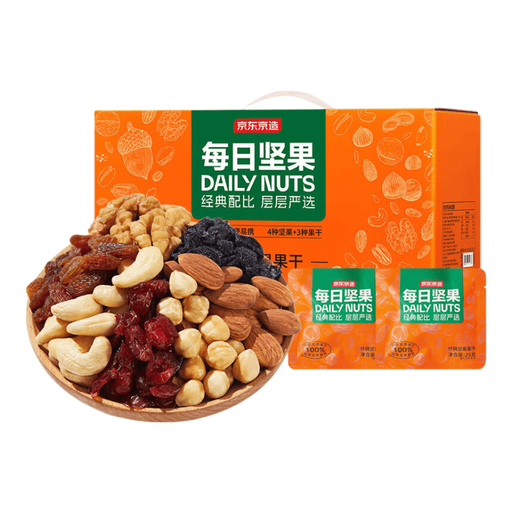
The stated 30-sachet format lets you allocate portions for several training days or people. The product name describes a nuts-and-dried-fruit mix; read its nutrition panel per sachet and check the current allergen label before sharing.
 No image available
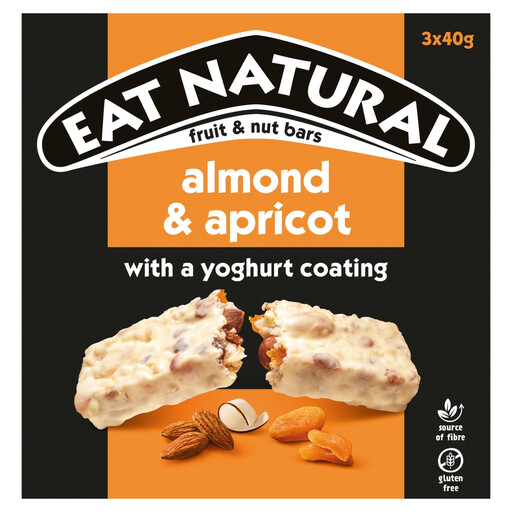
This three-pack is an option when you want a bar rather than a bag of loose nuts. Its name identifies almond and yoghurt ingredients; check the physical pack’s full allergen information before sharing.
 No image available
Four stated 35g bars can be allocated individually. This is a peanut product, so establish allergy requirements and read the current pack before offering it to another runner.
 No image available
This fruit-and-walnut gift box is a different format from bars or 25g sachets. Check how its contents are divided if you need portions for running bags, and read the current allergen information before sharing.
Check its carbohydrate per pack before making that choice: Sainsbury’s lists just 1.7g in a 30g pack of KP salted peanuts. The UK Sports Institute advises runners to try food and timing during training, so practise with the food and drink you plan to carry rather than making a change on the day of a long run.
Choose by the portion and product each person wants, not weight alone. Tesco lists Whitworths mixed nuts in five 25g packs, while Sainsbury’s lists KP salted peanuts in five 30g packs; both formats provide separate portions without dividing a shared bag.
Use the per-100g figures for a like-for-like comparison, then look at salt per inner pack for the amount you would eat. The NHS explains that nutrition information is given per 100g and sometimes per portion; Sainsbury’s lists 0.36g salt per 30g KP salted-peanut pack.
Establish each person’s allergy requirements and read the current packet’s ingredients and any precautionary allergen statement. Cambridge University Hospitals advises checking the label on every purchase because recipes can change.
It can be, if you divide and pack the portions you need before leaving. Unlike a multipack, a single bag does not provide separate sealed portions; follow its instructions for storage after opening.