Who are these packs for?
The useful format depends on when you expect to eat the snack and whether it needs to fit into a wider ride-fuelling plan.
Commuters and short-ride cyclists
An individual pack can go in a pocket or bag without opening a larger bag. British Cycling says additional fuel is generally unnecessary for rides up to about 90 minutes when carbohydrate stores are sufficient, so a nut pack need not be treated as a fuelling requirement for every short ride.
Riders planning longer rides
Nuts or a fruit-and-nut mix can be one snack in a practised plan, but check carbohydrate per serving rather than assuming the pack covers the ride. British Cycling advises eating from the start of rides lasting over 90 minutes.
Post-ride and between-meal snack buyers
If you want a compact protein-containing snack for a kit bag, compare the amount per pack. That is a different buying decision from choosing carbohydrate-containing food to eat during a longer ride.
What should you check?
Decide when and where you will eat the pack, then compare its serving information and packaging with that plan.
| Priority | What to check | Your needs |
|---|
| Carbohydrate for longer rides |
Read carbohydrate per intended serving, not just per 100 g. British Cycling suggests 30–60 g carbohydrate per hour for indoor cycling sessions lasting over 90 minutes; check how a snack fits alongside other food or drink. |
For a longer ride, I want to know what each portion contributes so I can plan what else to carry. A nut pack on its own should not be assumed to cover my fuelling. |
| Portions and carrying |
Compare the number and size of individual packs with a sharing bag’s stated servings. Check whether you will need to divide the bag before leaving. |
One pack per pocket or rider would be convenient; for a group stop, I could portion a sharing bag in advance. |
| Post-ride snack |
Compare protein per pack if that is the reason for choosing it, and check the ingredients. Do not use a protein figure as a substitute for carbohydrate information. |
After riding, I might want a compact snack for my bag. If I plan to eat it during a long ride instead, I also need to check its carbohydrate content. |
| Ingredients and allergens |
Read the current pack for named allergens and any precautionary statement. The Food Standards Agency distinguishes peanuts from tree nuts such as almonds and cashews. |
Before sharing food, I need to know which nuts and other allergens are listed on the pack people will actually eat. |
Brand and retailer examples
These examples show how pack formats and label details can differ; they do not describe every product in a brand’s or retailer’s range.
KP
KP provides examples of both individually packed peanuts and a fruit-and-nut sharing bag.
- The salted peanut snack format contains five 30 g packs, according to the KP product information carried by Joybuy.
- Tesco lists 11 g carbohydrate per 40 g serving for the 120 g KP Fruit & Nut Mix sharing bag.
- Neither format should be assumed to supply all the carbohydrate planned for a ride over 90 minutes. Check the current pack for ingredients and allergens.
M&S
Marks & Spencer lists a 30 g Protein Packed Nut and Seed Mix and a separate 125 g Sweet and Salty Nut Mix.
- The 30 g nut-and-seed pack states 10 g protein per pack.
- The sweet-and-salty mix includes honey-roasted and salted peanuts, cashews and almonds, according to Marks & Spencer’s ingredient listing.
- Compare the specific pack’s serving information and allergen label rather than treating the two mixes as interchangeable.
Tesco
Tesco’s nut listings provide examples of different pack sizes and mixes, including the KP fruit-and-nut sharing bag.
- Its KP Fruit & Nut Mix listing gives both per-100 g and per-40 g carbohydrate figures, making the stated serving easier to compare with a ride plan.
- Tesco advises that foods can be reformulated, so use the physical label for current ingredients and nutrition information.
Joybuy product options
These options include portioned peanut snacks, individually packed nut-and-fruit mixes and multipack bars. Compare their pack format and current nutrition labels according to whether you need a pocket snack, food for a longer ride or something to eat afterwards.
 No image available
Nakd Peanut Delight 4 x 35g
Four separate 35 g bars give you portions to pack individually. Check the current wrapper for carbohydrate per bar and allergen information before using one as part of a ride-fuelling plan.
 No image available
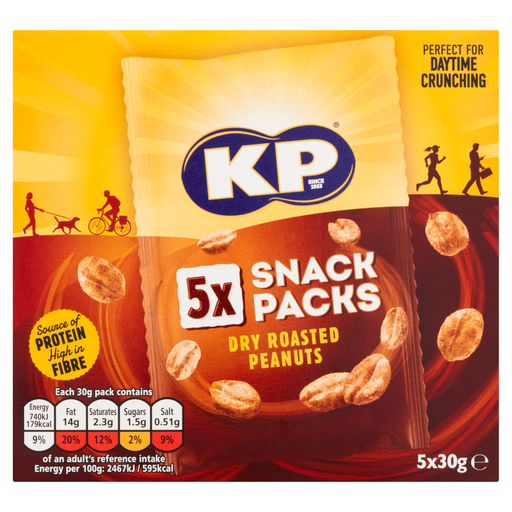
KP Snacks Dry Roasted Peanuts 5 x 30g
The stated five-pack format lets you allocate a peanut snack to individual riders or stops. Check carbohydrate per pack and plan other food or drink if you intend to eat it during a longer ride.
 No image available
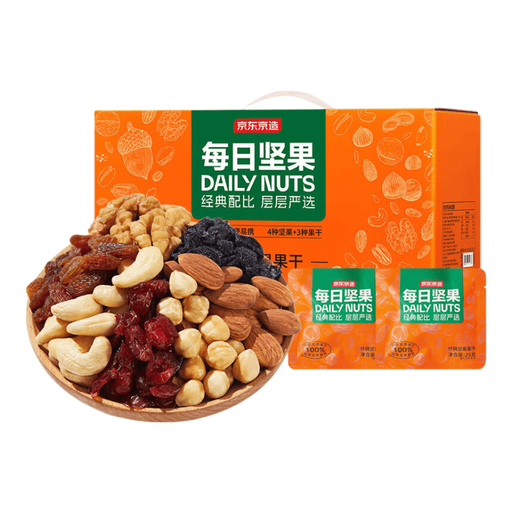
J.ZAO Classic Daily-Nut Mix, 750 g, 30 sachets
Thirty separate sachets offer a way to pack and share this nut mix without dividing a loose bag on the ride. Read a sachet’s nutrition and allergen information when deciding what else to carry.
 No image available
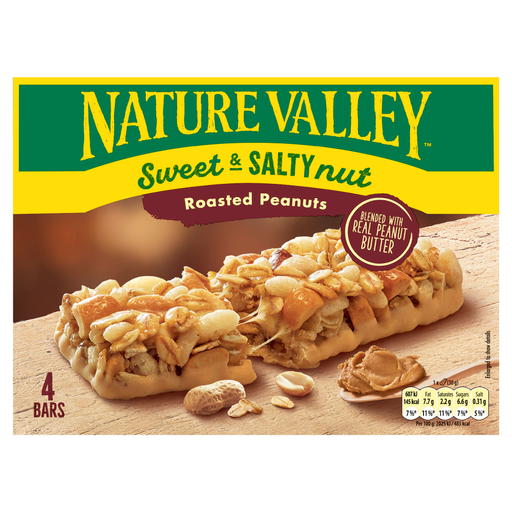
Nature Valley Sweet & Salty Nut Roasted Peanuts 4 x 30g
This four-bar pack provides separate 30 g portions to carry. Compare carbohydrate per bar with the other food or drink you plan for a longer ride, and read the wrapper’s allergen details.
 No image available
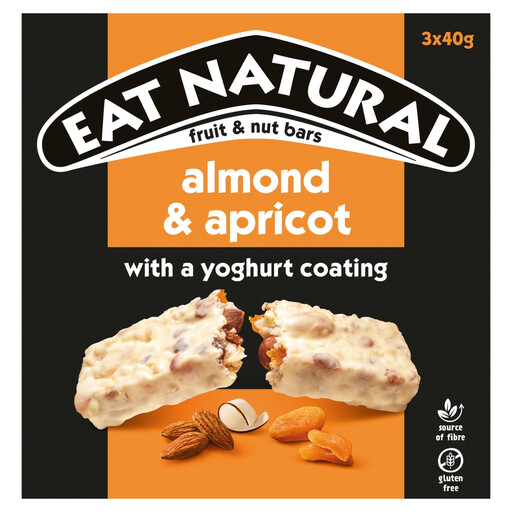
Eat Natural Almond Apricot & Yoghurt, 3 Pack 120g
The three-pack format offers bars to take on separate rides or share at a stop. Check the current wrapper for carbohydrate per bar and ingredients, particularly if you need to manage allergens.
Questions about nuts for cycling
Is a nut multipack enough fuel for a ride over 90 minutes?
Do not assume so. British Cycling advises eating from the start of rides over 90 minutes and suggests 30–60 g carbohydrate per hour for indoor sessions of that length. Check carbohydrate per nut-pack serving and plan other food or drink alongside it.
Should I buy individual packs or a sharing bag?
Choose individual packs if you want portions ready for separate pockets, riders or stops. A sharing bag works when you can divide it beforehand or eat from it at a stop; check its stated serving count rather than treating the whole bag as one portion.
Can fruit-and-nut mix be my only food on a long ride?
Check its carbohydrate per serving before deciding. Tesco lists 11 g per 40 g serving for KP Fruit & Nut Mix, while British Cycling’s guide for indoor sessions over 90 minutes is 30–60 g carbohydrate per hour. That serving alone does not reach the guide’s lower figure.
Are peanuts and tree nuts the same allergen?
No. The Food Standards Agency distinguishes peanuts, which are legumes, from tree nuts such as almonds and cashews. Read the exact pack for named allergens and any precautionary “may contain” statement before sharing or eating it.
Can I use a retailer webpage to check allergens?
Use it for an initial comparison, then check the physical pack. Tesco advises that food products can be reformulated, so the ingredients and allergen information on the pack you receive matter.


