Families packing for day trips
Separate portions can be easier to carry and hand out. If children under five are coming, do not pack whole nuts or peanuts for them: the NHS identifies a choking risk.


Choose a nut multipack when people need separate portions for day trips; choose a larger bag when adults or older children will share snacks in one place. Check the exact pack’s ingredients, allergens and nutrition information before serving it to a group. The NHS advises against giving whole nuts or peanuts to children under five because they can choke.
Separate portions can be easier to carry and hand out. If children under five are coming, do not pack whole nuts or peanuts for them: the NHS identifies a choking risk.
For a picnic or a snack at the accommodation, decide whether everyone will use one communal pack or take a separate portion. Check the group’s allergy needs before opening food to share.
Salt, sugars, ingredients and allergens can differ between plain nuts, flavoured peanuts and mixed snacks. Compare the exact products you are considering, including the figures per 100g and per serving.
Start with where the snacks will be eaten and how they will be shared, then check the label on each candidate pack.
| Priority | What to check | Your needs |
|---|---|---|
| Separate portions | Check the number of packs, their individual weights and whether there is one for each planned snack occasion. KP Snacks describes its 5 x 30g Snack Packs as an option for snacking on the go. | I want to put snacks into different day bags without dividing up one open bag. |
| Group quantity | Compare total pack weights and how much the group plans to serve. A larger bag still needs a serving plan once opened. | We will eat together at a picnic table or at the accommodation, so one pack may be simpler than handing out individual portions. |
| Salt and sugars | Compare the exact products’ salt and sugars per 100g and per serving. Check ingredients when comparing plain nuts with honey-roasted, coated or fruit-containing mixes. | I would rather choose by the figures on the packs than assume two nut snacks have the same nutrition profile. |
| Allergens | Read the ingredients, allergen information and any precautionary wording on every pack. Keep the packaging available when serving a group. | Someone sharing the snacks may have a peanut, tree-nut or other food allergy, so I need to check the exact product before offering it. |
| Young children | Do not give whole nuts or peanuts to children under five, in line with NHS advice. Check the form of any alternative rather than assuming a snack is suitable because it comes in a small pack. | There will be young children in the group, and their snacks need to be planned separately. |
Flavourings, coatings and added fruit can change a product’s ingredients, salt and sugars.
Compare nutrition information per 100g and per serving, alongside the ingredients, on the exact packs you might buy.
A mixed or coated snack may contain ingredients that are not clear from its flavour name. Separate portions do not make a product suitable for someone with an allergy.
Read each pack’s allergen information before serving and keep its packaging available to the group.
The NHS advises that children under five should not be given whole nuts or peanuts because they can choke.
Plan a different, age-appropriate snack for younger children; follow NHS guidance if considering nuts in another form.
A multipack only covers the trip if its individual portions match the people and snack occasions you have planned. Separate packs also mean separate wrappers to manage.
Count the portions you need and compare them with the multipack count and a larger bag’s total weight.
KP Snacks describes 5 x 30g peanut Snack Packs, including a honey-roast variant, for separate portions.
Tesco Groceries lists nut products in both individual-pack and larger-pack formats.
M&S Food describes pocket-sized portions and sharing packs within its mixed-nut range.
These options include portioned fruit-and-nut bars, a larger pack of peanuts and smaller snack mixes. Bars and mixed snacks are not substitutes for checking each person’s allergens or the suitability of the snack for young children.
 Image unavailable
Four bars offer portions to allocate across day bags. Check the fruit-and-nut ingredients and allergen information before offering them to others; do not assume a bar is suitable for a young child.
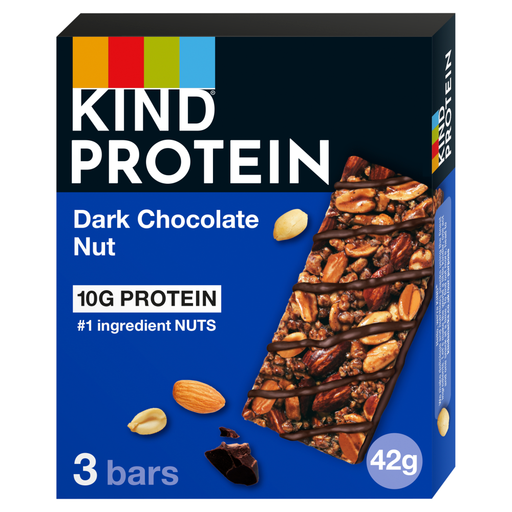 Image unavailable
Three bars provide separate portions for a small group or several snack occasions. Because this is a chocolate-and-nut product, compare its sugars and allergens with other options on the exact pack.
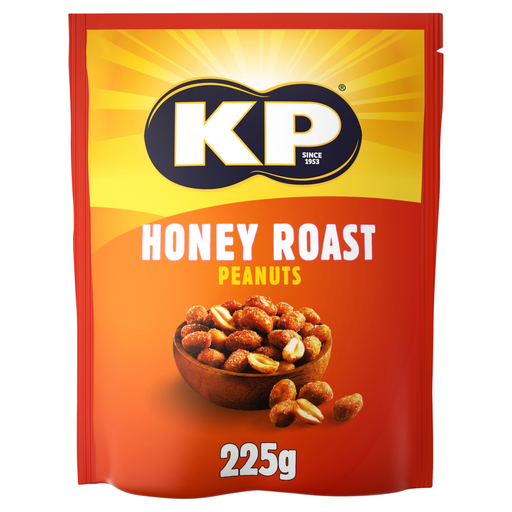 Image unavailable
A single 225g pack can be served where a group is eating together rather than taking separate portions. Check its sugars, salt and allergen information; do not give the whole peanuts to children under five.
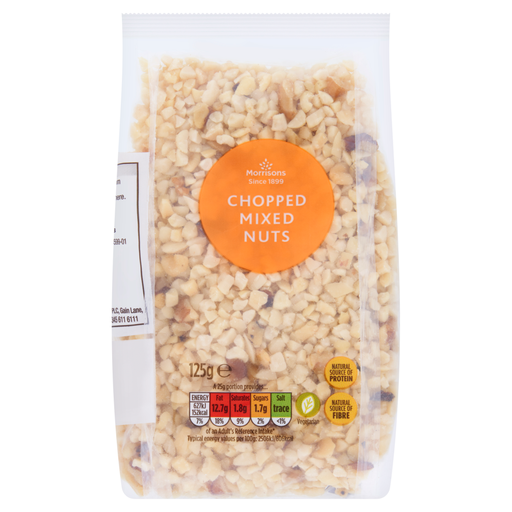 Image unavailable
For group sharing, compare the 125g pack weight with the number of portions you intend to serve. Chopping does not remove the need to check allergy information or consider choking risks for young children.
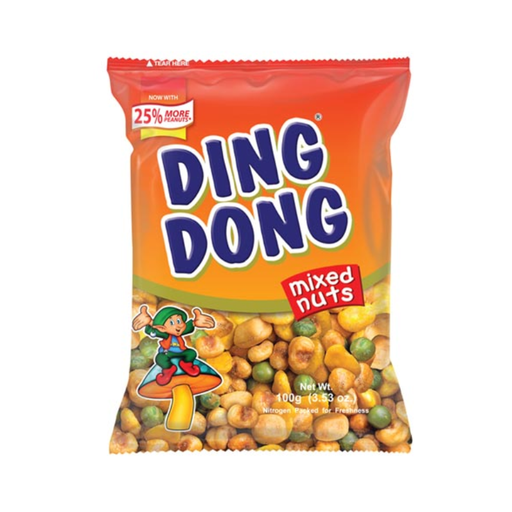 Image unavailable
Check whether a 100g mix provides enough for the people sharing it. Read the ingredients, salt information and any child-safety warnings on the pack before serving.
Take individual packs if people need to carry or receive their snacks separately; consider one larger bag if the group will eat together in one place. Check how many portions you need, as well as the exact pack’s ingredients and allergens.
No. The NHS says children under five should not be given whole nuts because they can choke. Its guidance discusses nuts crushed or ground in food and nut butter spread onto food for younger children; follow the age-specific guidance rather than offering a whole-nut snack.
Check the ingredients, allergen information and any precautionary wording on the exact pack before offering it. Keep the packaging available so the person can assess that product; neither a familiar flavour nor an individual wrapper establishes that it is suitable for them.
Do not treat them as interchangeable. Compare the exact packs’ ingredients, salt and sugars per 100g and per serving, particularly for honey-roasted, coated or fruit-containing mixes.