Organisers allocating one snack per attendee
A pack with a stated serving makes the issued amount straightforward to plan. If nuts are served from a larger pack, measure each serving rather than relying on an open bowl.


For a lower-calorie conference snack allocation, choose the amount of nuts issued to each attendee rather than treating nuts themselves as low-calorie. Plain nuts are worth considering when declared salt matters; a snack pack makes the issued amount easier to define, but its calories and salt still need checking. For either format, plan how attendees will receive allergen information before service.
A pack with a stated serving makes the issued amount straightforward to plan. If nuts are served from a larger pack, measure each serving rather than relying on an open bowl.
Compare salt for the amount you intend to serve. Tesco lists less than 0.01 g salt per 25 g of its Roasted Monkey Nuts; KP lists 0.39 g per 30 g Original Salted Snack Pack. The serving sizes differ, so read both figures alongside the planned portion.
Keep the exact product labels available when planning what to tell attendees. UK Food Standards Agency guidance lists peanuts and tree nuts separately and says food businesses must provide allergen information for both prepacked and non-prepacked food.
Set the portion and service format first, then compare nutrition information for that amount and check how allergen information will reach attendees.
| Priority | What to check | Your needs |
|---|---|---|
| Portion energy | Check kcal for the amount actually issued. Compare equal weights where pack serving sizes differ, and measure servings taken from larger packs. | I need to know the snack allocation per attendee, rather than leave the amount taken from a bowl open-ended. |
| Salt | Read salt per planned serving, not just kcal. Tesco lists less than 0.01 g per 25 g of Roasted Monkey Nuts, while KP lists 0.39 g per 30 g Original Salted Snack Pack. | If lower declared salt is a catering priority, I want to compare it for the portion I will serve. |
| Allergen information | Use the exact pack’s ingredients and allergen statements. Identify peanut and relevant tree-nut ingredients, including any additional may-contain statements. | Attendees need clear information whether I hand out packs or serve nuts from bowls. UK Food Standards Agency guidance requires food businesses to provide allergen information for both prepacked and non-prepacked food. |
| Break-time service | Check pack size and whether portions need measuring. For in-shell nuts, plan where shells will go. | A short or formal break calls for a serving plan that staff and attendees can use without leaving portions or waste unmanaged. |
The energy issued per attendee remains unknown if people take different amounts, even when the nuts are plain.
Choose a serving weight before ordering. Use measured portions or individual packs, and compare products for that amount.
Similar portion-energy figures do not mean similar salt figures. KP lists 0.39 g salt per 30 g Original Salted Snack Pack; Tesco lists less than 0.01 g per 25 g of Roasted Monkey Nuts.
Check both kcal and salt for the amount you plan to issue.
UK Food Standards Agency guidance identifies peanuts and tree nuts separately. Product labels may also carry statements about other allergens.
Build attendee information from the exact pack being served, and keep products identified separately during service.
Tesco Roasted Monkey Nuts are in shell, so attendees need somewhere to put the shells during the break.
Use them where shell disposal suits the setting; otherwise consider a shelled format and check its portion and allergen details afresh.
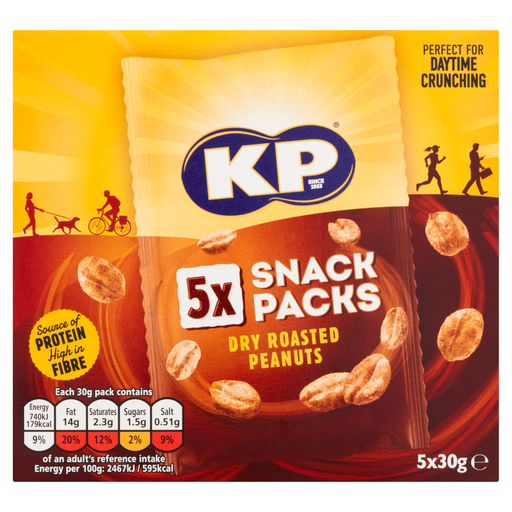
KP’s Original Salted Snack Pack illustrates the trade-off between a defined pack portion and declared salt.
Tesco Roasted Monkey Nuts offer a plain-peanut example for a measured conference serving.
M&S Cashew Nuts provide a plain cashew example for comparing a measured serving.
These chestnut, cashew, peanut and mixed-nut listings offer different pack sizes for a conference snack plan. Their names and pack sizes alone do not establish comparable calories, salt levels or allergen statements, so check those details for the exact product and portion before ordering.
 No image available
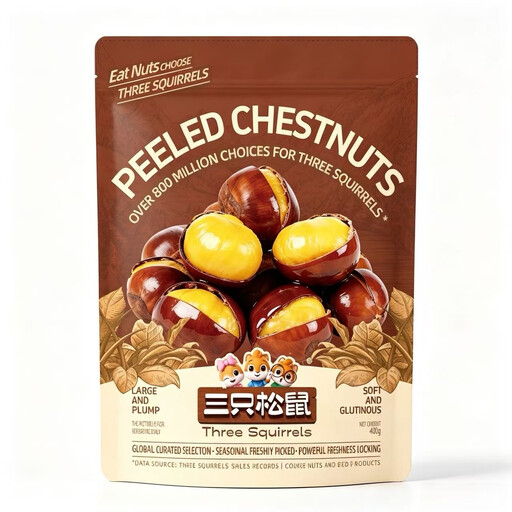
For a measured conference snack, decide how much to serve from the 400 g pack. Check kcal for that amount and the full allergen information on the pack.
 No image available
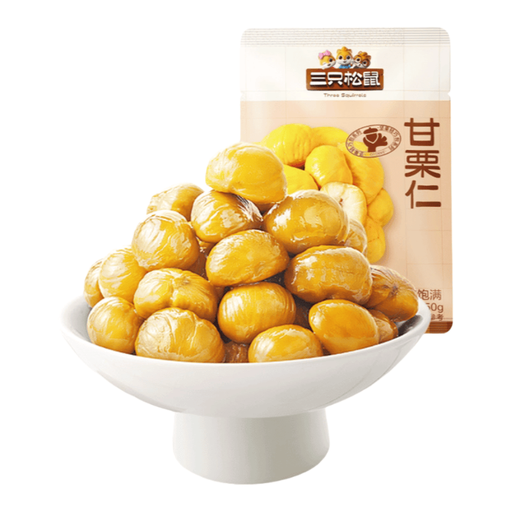
The stated 50 g pack size can be compared with the amount planned for each attendee. Check kcal for the pack and its full allergen information before choosing it as an issued snack.
 No image available
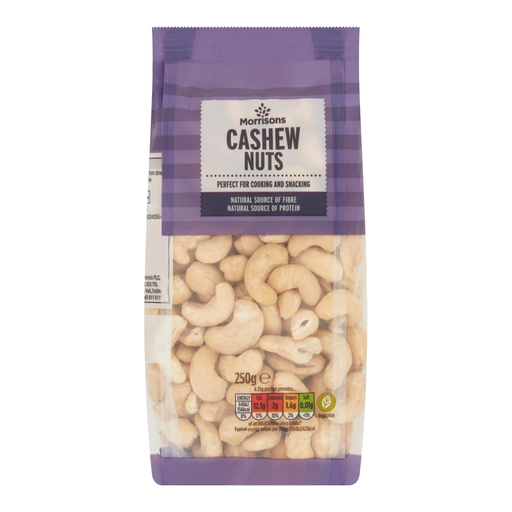
A 250 g cashew pack needs a serving measure if portions are to be allocated per attendee. Check the exact pack’s nutrition and allergen information rather than applying figures from another cashew product.
 No image available
Use the stated 530 g product size to plan how many measured servings are needed. Check this dry-roasted product’s own pack format, kcal, salt and allergen statement; figures for KP Original Salted Snack Packs do not describe it.
 No image available
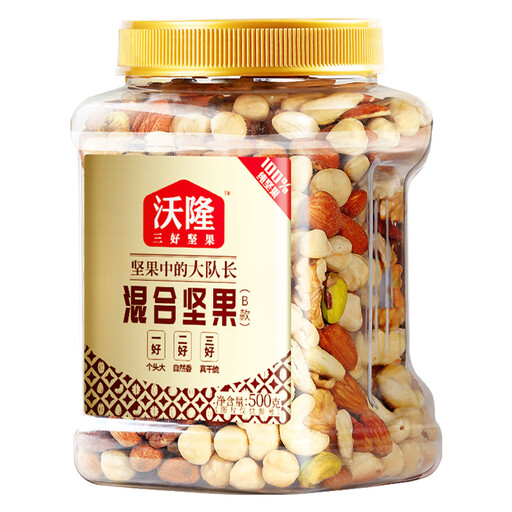
If serving from this 500 g tin, measure the amount issued to each attendee. Identify the nuts in the exact mix from its pack label, then check nutrition information for the planned serving.
Do not describe nuts as low-calorie simply because you plan to serve a small amount. For the cited products, M&S lists 601 kcal per 100 g of Cashew Nuts and 640 kcal per 100 g of Natural Nut Medley, while KP lists 614 kcal per 100 g of Original Salted Peanuts. Set a measured serving and use that serving’s kcal when planning the allocation.
Yes, where the caterer is a food business operator. UK Food Standards Agency guidance says retail and catering food businesses must provide allergen information for prepacked and non-prepacked food and drink. Peanuts and tree nuts are listed separately, so use the exact products served when preparing attendee information.
No. Identify its actual ingredients instead, and check the current pack for additional allergen statements. For example, Tesco says its Roasted Monkey Nuts may contain other nuts, while KP’s Original Salted Snack Pack carries may-contain statements for other nuts, milk, soya and gluten.
The cited plain options have lower declared salt figures than KP Original Salted Snack Packs, although their stated serving sizes differ. Tesco lists less than 0.01 g per 25 g of Roasted Monkey Nuts; M&S lists 0.05 g per 100 g of Cashew Nuts; and KP lists 0.39 g per 30 g Original Salted Snack Pack. Compare the amount you will actually serve and check its allergen information too.