Students taking snacks to study spaces
Individual sachets let you take a stated portion to a desk or library without decanting from a larger bag. Tesco lists a KP peanut multipack containing five separate 30 g packs.


Choose individually wrapped nut packs if you want a portion to carry to each revision session without measuring it out: Tesco lists a KP salted peanut five-pack with five 30 g servings, each containing 185 kcal. A larger bag suits a shared cupboard if you are willing to portion it yourself. Whichever format you choose, compare the nutrition information for the amount you will eat and check the exact pack’s ingredients and allergen statement before sharing.
Individual sachets let you take a stated portion to a desk or library without decanting from a larger bag. Tesco lists a KP peanut multipack containing five separate 30 g packs.
A larger bag can be portioned out for different people or days at home. If separate packs are easier to distribute, compare their total weight and serving count with the larger bag.
Salted, unsalted and mixed-nut products have different ingredient lists. Check nutrition for the portion you intend to eat, and read the selected pack’s allergen information before eating or sharing it.
Choose when: you want to carry one portion to each study session or distribute sealed packs rather than serve from an open bowl.
Trade-off: the pack’s stated serving size may not match the amount you want, so check its weight and nutrition information.
Choose when: you are keeping snacks at home and can decant portions for separate revision sessions.
Trade-off: you must decide how much to serve each time and bring a container if you take some elsewhere.
| Priority | What to check | Your needs |
|---|---|---|
| Portable portions | Check whether the food is divided into sachets and how many grams each contains. Tesco lists the KP salted peanut pack as five 30 g servings. | I want to put one portion in my bag without measuring nuts before every study session. |
| Pack quantity | Compare total net weight as well as pack count: five 30 g packs contain 150 g altogether. For a loose bag, decide how you will portion it. | Will this cover several people or sessions, or would one larger bag be more practical for our cupboard? |
| Nutrition and ingredients | Read values per 100 g and for the portion you will eat. Tesco lists 0.36 g salt per 30 g pack for its KP salted peanut multipack; check the exact label when considering an unsalted product. | If I am having nuts across several sessions, I want to compare the actual portions and know whether salt or other ingredients have been added. |
| Allergens and sharing | Check ingredients, highlighted allergens and precautionary statements on the chosen pack. Tesco says its KP salted peanut packs contain peanuts and may also contain other nuts, milk, soya and gluten. | Before I offer a pack to someone else, I need them to check whether that specific product is suitable for them. |
Several small sachets may contain less food in total than one large bag. Tesco’s KP five-pack, for example, contains 150 g altogether.
Compare the total weight and the grams in each serving with the number of study sessions or people you are planning for.
An individual pack states its portion, while a loose bag leaves you to decide how much to take at each session.
Check energy and serving size for a sachet; for a loose bag, put the amount you intend to eat into a bowl or container before studying.
Salted peanuts, natural nuts and mixed-nut products are not interchangeable. Tesco lists 0.36 g salt per pack for its KP salted peanuts and identifies several possible allergens beyond peanuts.
Read the ingredients, salt figure and allergen statement for the exact product and flavour you choose.
The pack in someone’s hand is the one they will eat, so its current ingredient and precautionary information matters when allergies or intolerances are involved.
Have each person check the physical pack before eating or accepting a shared snack.
KP’s salted peanut snack packs illustrate the individually portioned route: Tesco lists five 30 g packs.
Tesco’s listings show both KP portion packs and own-label larger peanut bags, offering two ways to organise snacks for revision.
Sainsbury’s listings include unsalted mixed nuts and raisins as well as KP salted peanut portion packs.
M&S lists natural nut medleys in several larger bag sizes and describes its natural nuts as having nothing added.
These options span portioned peanut snacks, a mixed-nut and dried-fruit sachet pack, a nut-based bar multipack and larger loose bags that you can portion at home.
 No image available
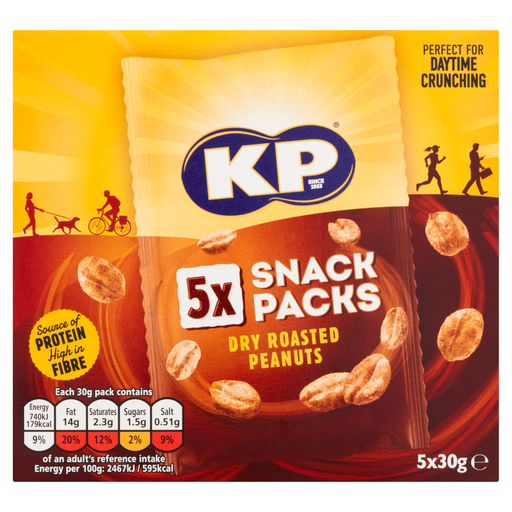
The five individual 30 g packs can be divided between revision sessions without decanting from a larger bag. Check this dry-roasted product’s own nutrition and allergen label rather than using figures for KP’s salted peanut packs.
 No image available
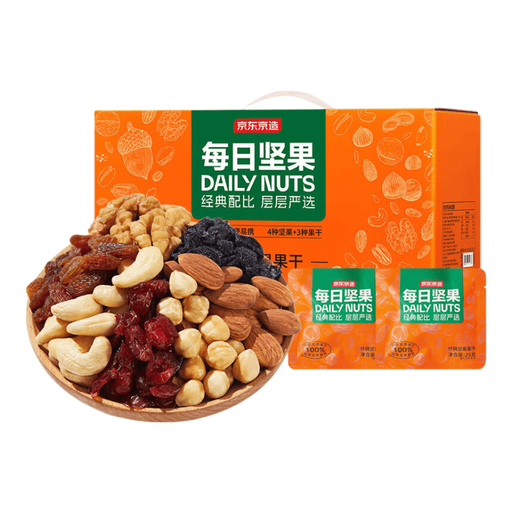
The 30 sachets divide the nut and dried-fruit mix into separate packs for different sessions. This is not a peanut-only snack; read its ingredient and allergen information for the exact mix before sharing.
 No image available
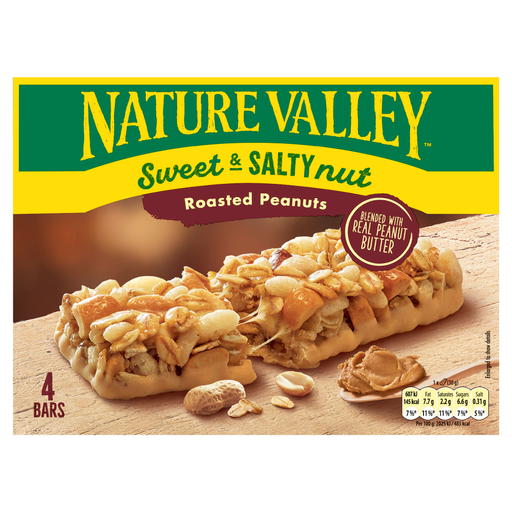
The four 30 g portions offer a wrapped snack for separate sessions. This is a cereal bar rather than a plain pack of nuts, so check its full ingredients and allergen statement if that distinction matters to you or anyone sharing it.
 No image available
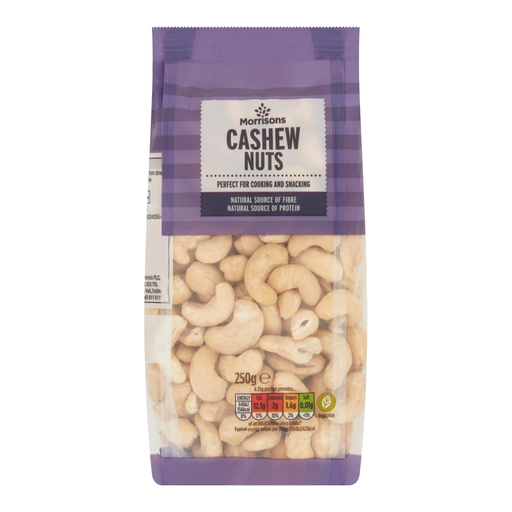
The 250 g bag suits a revision cupboard if you are happy to portion out cashews yourself. Check the selected pack’s ingredients and allergen statement before offering it to others.
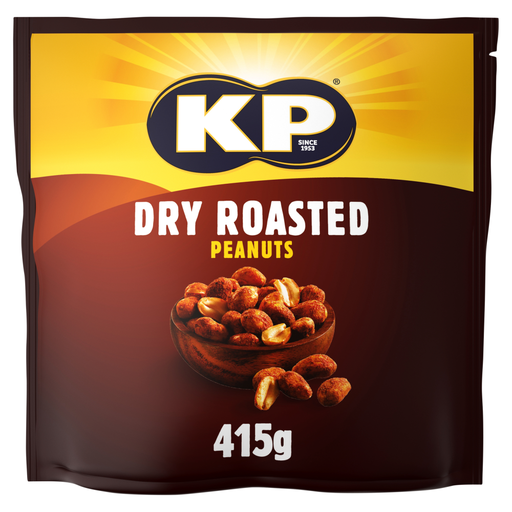 No image available
This 415 g loose bag can be divided into portions for separate sessions at home. It is not an individually wrapped multipack; read its own ingredient and allergen label before eating or sharing.
Individual packs suit sessions away from home when you want a stated portion without measuring it; Tesco lists KP salted peanuts in five separate 30 g packs. A larger bag suits snacks kept at home if you are willing to divide it into portions yourself.
Check the ingredients and salt figures for the amount you plan to eat, using per-100 g information to compare differently sized packs. Tesco lists 0.36 g salt per 30 g pack for KP salted peanuts; check the exact label of an unsalted alternative rather than assuming other ingredients are identical.
Check that each person can eat the exact product before offering it. Tesco’s KP salted peanut packs list peanuts and say they may also contain other nuts, milk, soya and gluten; another flavour or mix may have a different statement.
Read the ingredients, highlighted allergens and any precautionary statement on the physical pack before eating or sharing it. Do not rely solely on an online description when checking whether a particular snack is suitable for someone with an allergy or intolerance.