Travellers avoiding milk, wheat, gluten or soya
If you can eat peanuts, the exact recipe still matters. Seasonings can contain other allergens, and a short ingredient list does not rule out a precautionary warning.


Choose a nut or peanut snack only if its current pack is suitable for every allergen you need to avoid: check both the ingredients and any precautionary warning. A gluten-free or milk-free claim does not mean nut-free, so choose a separately checked alternative if the snack contains an allergen you avoid. For airport travel, plan what to carry and check the operating airline’s allergy policy rather than relying on an allergen-free outlet or flight.
If you can eat peanuts, the exact recipe still matters. Seasonings can contain other allergens, and a short ingredient list does not rule out a precautionary warning.
Peanuts and tree nuts are distinct allergens, as the Food Standards Agency explains. Check which one you need to avoid; a snack labelled free from another allergen may still contain peanuts or tree nuts.
Food prepared or served in an open environment needs a different check from a sealed retail pack. Sainsbury’s describes cross-contact risks in in-store preparation, while British Airways says it cannot guarantee a completely allergen-free environment on its flights.
Start with the specific allergen, then read the exact variant’s ingredients and precautionary wording. Make a separate plan for carrying food and for anything you might buy or eat during the journey.
| Priority | What to check | Your needs |
|---|---|---|
| Named allergens | Read the full ingredient list and allergen declaration for peanuts, tree nuts and any other allergen you avoid. Check the exact flavour and variant: Tesco Groceries lists wheat and milk in the seasoning of its Dry Roasted Peanuts, while its Salted Roasted Peanuts list peanuts, rapeseed oil and salt. | I need the pack to distinguish the allergen I avoid from other free-from claims. Tesco Free From Fruit & Nut Granola, for example, is described as gluten-free and milk-free but contains almond. |
| Precautionary wording | Check any ‘may contain’ or ‘not suitable for’ statement against your allergy plan. The Food Standards Agency explains that precautionary allergen labelling communicates possible unintended allergen presence; KP Nuts lists other nuts, milk, soya and gluten in the warning for its Original Salted Peanuts. | Even when the listed recipe looks suitable, I need to consider the pack’s cross-contact warning before choosing it. |
| Current pack | Read the physical pack rather than relying only on a previous purchase or online listing. ASDA Groceries advises that product ingredients and allergy information can change. | I want to make the decision using the label on the snack I will actually carry and eat. |
| Travel plan | Keep a suitable packaged snack accessible for screening. GOV.UK says food in hand luggage can obstruct X-ray images and may require a manual bag check. Ask the operating airline about its allergy policy before travel, as Anaphylaxis UK advises. | I would rather know what I can carry than depend on finding a suitable snack after security or receiving one on board. |
A free-from claim can refer to a different allergen. Tesco’s Free From Fruit & Nut Granola is described as gluten-free and milk-free, yet contains almond.
Identify the allergen you avoid, then check the complete ingredients and precautionary wording on the exact pack.
Tesco Groceries lists wheat and milk in its Dry Roasted Peanuts seasoning; its Salted Roasted Peanuts list peanuts, rapeseed oil and salt, with a warning that they may contain other nuts.
Compare variants individually, including both their recipes and their advisory statements.
Sainsbury’s describes possible cross-contact in open in-store preparation, and British Airways says it cannot guarantee a completely allergen-free environment.
Ask an outlet for current allergen information, check the operating airline’s policy and arrange a suitable snack before travelling if you need one.
ASDA Groceries advises that ingredients and allergy information can change, so a saved listing may not describe the pack in your hand.
Check the physical packaging before purchase and again before eating; choose something else if the information is unclear or conflicts with your allergy plan.
These examples illustrate why allergen decisions belong to individual products and current packs, not to a brand name alone.
KP’s peanut snacks include salted and dry-roasted formats.
Sainsbury’s sells own-brand food as well as food prepared in store; the two need different allergen checks.
Tesco Groceries’ product listings show how recipes and free-from claims differ by variant.
Asda’s online grocery information can help identify a product before checking its pack.
M&S provides product-specific suitability wording and separate guidance about food prepared in its stores.
PLANTERS’ own site describes its peanut snacks in a US market context.
These peanut snacks and fruit-and-nut bars are options to assess if you can eat their ingredients. None should be treated as nut-free on the strength of another free-from claim; check each current pack against your own avoidance needs.
 No image available
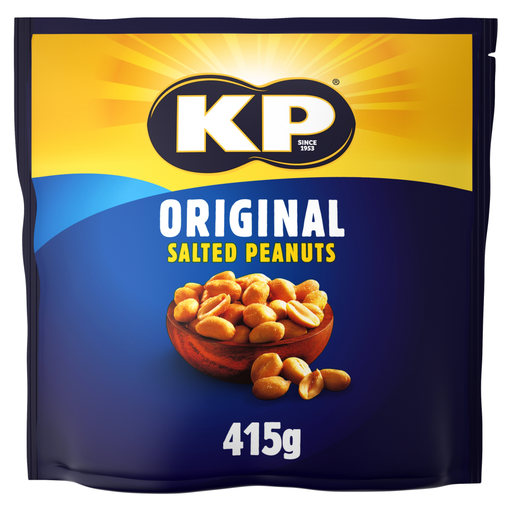
A peanut snack to assess if you can eat peanuts but avoid another allergen. KP Nuts lists peanuts, sunflower oil and salt as ingredients, alongside a ‘may contain’ warning for other nuts, milk, soya and gluten; check the current 415g pack.
 No image available
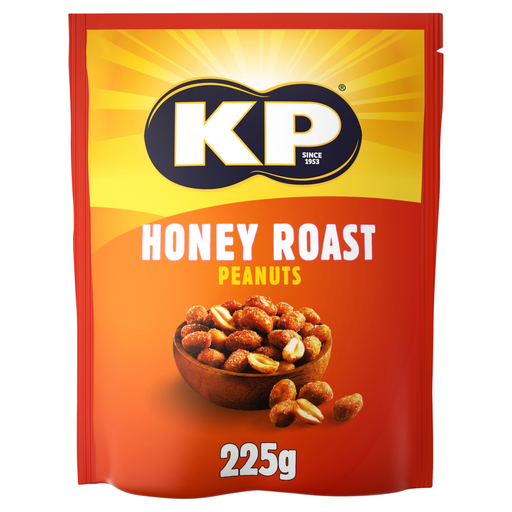
A honey-roast peanut option if peanuts fit your needs. Before packing it for travel, check this 225g variant’s current ingredients and precautionary allergen wording rather than relying on information for another KP flavour.
 No image available
Four 35g fruit-and-nut bars offer a different format from loose peanuts. If you avoid particular nuts or other allergens, read the exact bars’ ingredient list and precautionary statement before choosing them for the journey.
 No image available
A four-bar peanut option for travellers who can eat peanuts. Check the current pack for its full ingredients and any warnings covering other allergens you avoid.
 No image available
A peanut-and-chocolate bar format for travellers considering a packaged snack. The product name identifies peanuts, but the complete ingredient list and precautionary wording on the current pack determine whether it meets any other allergen need.
No. Check which allergen the claim names and read the full ingredients and precautionary statement. Tesco Groceries describes its Free From Fruit & Nut Granola as gluten-free and milk-free, but its listing includes almond.
Plan for the packet to be screened with your hand luggage. GOV.UK says food can obstruct X-ray images, so a bag may need a further manual check. Keep the snack accessible and check the rules for your journey before travelling.
No. Ask the outlet for current allergen information about the food you intend to buy. M&S Food says its in-store preparation areas handle major allergens, and British Airways says it cannot guarantee a completely allergen-free environment on its flights.
Contact the airline operating your flight before travel and ask about its arrangements for passengers with food allergies, as Anaphylaxis UK advises. Check what food you can bring rather than assuming a suitable onboard meal or allergen-free cabin will be available.