What should you check before choosing?
Start with the portion you intend to serve, then compare labels on the same weight and check whether the nut format is appropriate for the person eating it.
| Priority | What to check | Your needs |
|---|
| Calories and portions |
Check kcal per stated serving and per 100g; use the same weight when comparing packs. Decide whether the pack is already portioned or needs dividing. |
I want to set out a snack portion rather than eat from a sharing bag. ASDA Groceries’ labels for four compared peanut products work out to approximately 174–185kcal per 30g; their stated serving sizes are not all the same. |
| Salt and sugars |
Read the values per serving and the ingredients list. Where traffic-light labelling appears, GOV.UK explains that its colours describe levels of fat, saturates, sugars and salt. |
If salt or added sweetening matters to me, I want to see what the flavouring changes. ASDA Groceries lists less than 0.01g salt per 100g for its plain peanuts; its listing for KP Honey Roast Peanuts gives 4.2g sugars and 0.23g salt per 30g. |
| Age-appropriate format |
Check whether the snack contains whole nuts or peanuts before serving it to a young child. |
I need a format suitable for the child eating it. NHS guidance says not to give whole nuts or peanuts to children under five because they can choke. |
| Allergen information |
Check the current ingredients and highlighted allergens, plus any precautionary “may contain” statement; do not rely on the nut named on the front. |
When sharing snacks with someone who has a relevant allergy, I need to check the particular pack. The Food Standards Agency describes precautionary allergen labelling as information about allergens that could be unintentionally present. |
Nut snacks on Joybuy
These options include chestnuts, unsalted peanuts and almonds in different pack sizes. For a half-term snack, compare the current nutrition labels at the portion you plan to serve rather than assuming that a nut type or pack size settles the calorie question.
 No image available
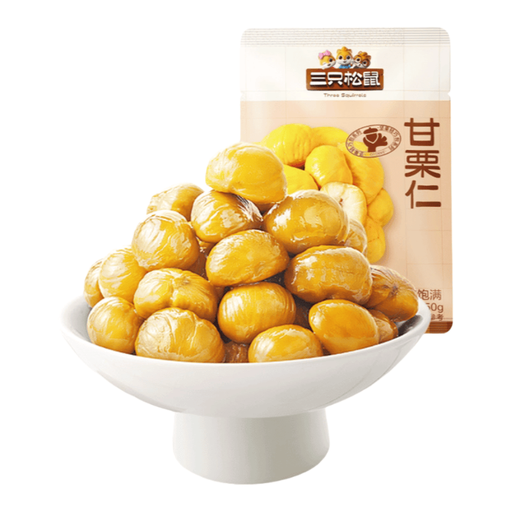
Three Squirrels Light Pack Sweet Chestnut Kernels 50 g
The 50 g pack gives you a defined amount to set out for a snack. Check its current nutrition and allergen label before deciding on a serving.
 No image available
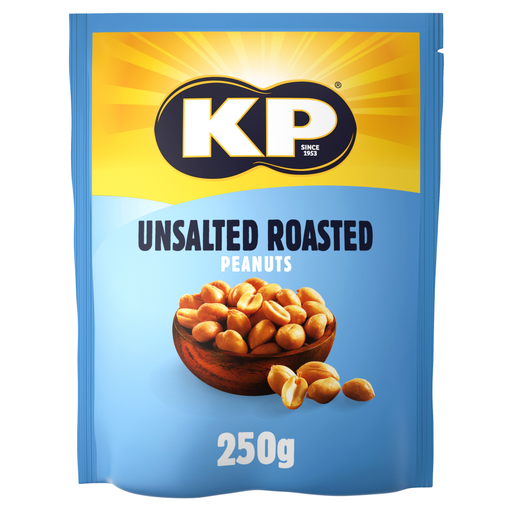
KP Snacks Unsalted Roasted Peanuts 250g
This unsalted roasted-peanut option comes in a 250g pack, so divide out the intended snack portion. Check its own calorie figure rather than applying values from another KP peanut product.
 No image available
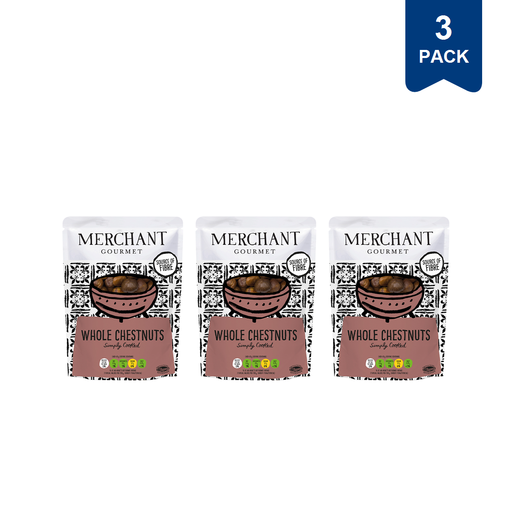
Merchant Gourmet Whole Chestnuts 180g, 3 packs
This is the three-pack listing for 180g whole chestnuts, distinct from the single-pack listing below. Set a serving size and check the current label; do not serve whole nuts to children under five.
 No image available
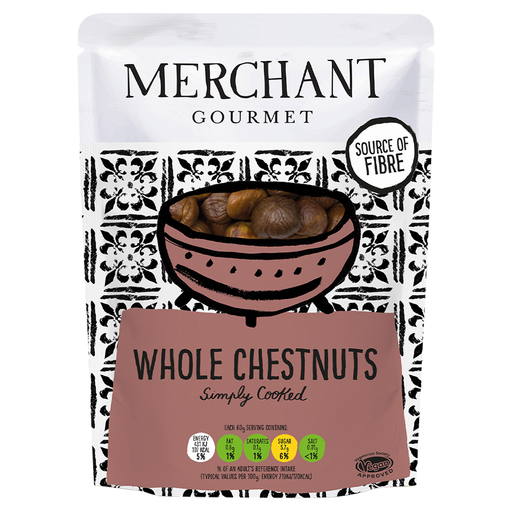
Merchant Gourmet Whole Chestnuts 180g
This 180g whole-chestnut listing is separate from the three-pack version. Decide how much to set out, compare its current nutrition label with other snacks and keep whole nuts away from children under five.
 No image available
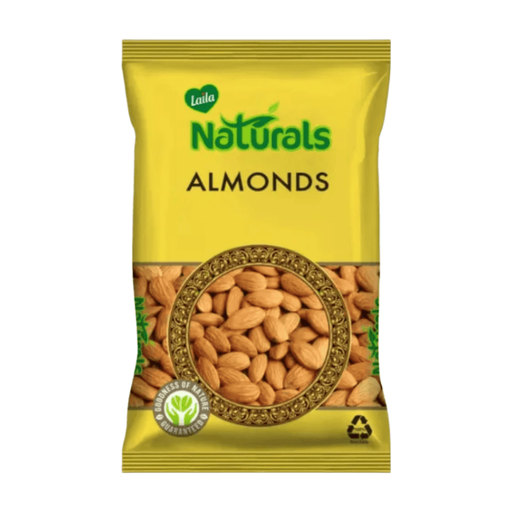
Laila Almonds 500g
The 500g almond pack needs dividing into snack portions at home. Check its current calories per serving and allergen information; whole nuts should not be given to children under five.
Common questions
Can a child under five have whole nuts as a half-term snack?
No. NHS guidance says not to give whole nuts or peanuts to children under five because they can choke. Choose an age-appropriate format instead.
Are dry-roasted peanuts automatically lower in calories?
No. ASDA Groceries lists 587kcal per 100g for its dry-roasted peanuts, or about 176kcal per 30g; its plain peanuts list 580kcal per 100g, or 174kcal per 30g. Compare the same weight and check the particular product’s serving size.
What is the quickest way to compare nut snack labels?
Check the serving size first, then compare calories, salt, sugars and ingredients on a consistent basis. GOV.UK explains that traffic-light labels, where present, indicate levels of fat, saturates, sugars and salt; check the numerical values for the portion you intend to eat.
Is the nut named on the front enough to judge allergen suitability?
No. Read the current pack’s ingredients, allergen declarations and any “may contain” statement. The Food Standards Agency explains that precautionary wording communicates possible unintended allergen presence, which matters when choosing a snack for someone with a relevant allergy.


