Parents looking for a portable adult snack
A small pack can make the portion clear. Compare its protein per pack with protein, salt and energy per 100g before deciding whether it suits your usual snacking.


Choose a nut-and-seed mix if a clearly stated protein amount in a small pack matters most: M&S Food lists 10g per 30g pack for its Protein Packed mix. If you prefer a simpler ingredient list and less salt, compare plain peanuts instead; Sainsbury's lists peanuts as the sole ingredient and less than 0.01g salt per 100g for its Fairtrade Peanuts. Whichever adult snack you choose, check its allergens and keep whole nuts out of a young child’s reach.
A small pack can make the portion clear. Compare its protein per pack with protein, salt and energy per 100g before deciding whether it suits your usual snacking.
Northern Ireland’s nidirect guidance says you may feel hungrier and thirstier while breastfeeding, but it does not prescribe a special nut or high-protein snack. Choose foods according to your preferences, allergies and any advice you have been given.
An adult’s whole-nut snack is not a baby snack. NHS guidance says nuts and peanuts offered from around six months should be crushed or ground, with foods that can trigger allergies introduced one at a time in very small amounts.
Start with the amount you would eat, then compare labels on the same per-100g basis. In a household with a baby, storage and serving form are separate checks from the adult snack’s nutrition label.
| Priority | What to check | Your needs |
|---|---|---|
| Protein and portion | Compare protein per pack or serving, pack size and protein per 100g. M&S Food lists 10g per 30g pack and 34.4g per 100g for its Protein Packed Nut and Seed Mix. | I want to know how much protein is in the portion I will actually eat, not just in 100g of the product. |
| Salt and energy | Read both values per 100g. Sainsbury's lists less than 0.01g salt per 100g for its Fairtrade Peanuts; KP Nuts lists 1.3g per 100g for Original Salted Peanuts. Also compare the stated kcal for the portion. | A plain peanut snack may suit me better if I want less salt; seasoning and the amount I eat matter alongside protein. |
| Ingredients and allergens | Check the ingredient list and any separate “may contain” statement on the current pack. M&S Food lists soybeans and almonds in its Protein Packed mix; KP Nuts lists possible presence of other nuts, milk, soya and gluten for Original Salted Peanuts. | If someone in the household has an allergy, I need the information for this particular product, not an assumption based on its name. |
| Child access | Keep adult whole-nut packs inaccessible to young children. For a baby beginning solid foods from around six months, the NHS specifies crushed or ground nuts and peanuts, introduced one allergenic food at a time in very small amounts. | I need an adult snack I can store safely without mistaking whole nuts for an appropriate food to offer my baby. |
A large per-100g figure does not tell you how much protein is in the portion you eat. A 30g pack and a larger bag also invite different portion choices.
Check protein per serving and per 100g, and compare the stated serving size with the amount you intend to eat.
Salt varies between named products: Sainsbury's lists less than 0.01g per 100g for Fairtrade Peanuts, while KP Nuts lists 1.3g per 100g for Original Salted Peanuts.
Compare salt per 100g on the packs you are considering rather than assuming plain and seasoned peanuts have similar values.
Whole nuts can choke young children. The form suitable for an adult to snack on is not the form the NHS describes for introducing nuts to a baby.
Store packs out of reach. For a baby beginning solid foods from around six months, follow NHS advice to offer nuts or peanuts crushed or ground, one allergenic food at a time and in very small amounts.
A nut snack can contain other ingredients or carry a precautionary allergen statement. The Food Standards Agency explains that “may contain” labelling concerns possible unintended allergen presence, separate from the ingredient list.
Read both parts of the current label and follow any allergy advice given for the person who will eat it.
These examples illustrate differences between named products; a brand name alone does not establish the ingredients or nutrition of another pack.
M&S Food lists both a 30g Protein Packed Nut and Seed Mix and Roasted Peanuts, giving shoppers two distinct ingredient and salt profiles to compare.
KP Nuts lists Original Salted Peanuts as a seasoned peanut snack rather than a plain, unsalted option.
Sainsbury's Fairtrade Peanuts list peanuts as their ingredient, making them a relevant plain-peanut example.
Tesco Salted Roasted Peanuts are a 200g seasoned-peanut option.
Asda Dry Roasted Peanuts come in a 500g pack for shoppers comparing larger packs of seasoned peanuts.
These options include plain and flavoured peanut snacks, cashews and a seed snack. Compare each pack’s current protein, salt, ingredients and allergen information against the type of snack you want.
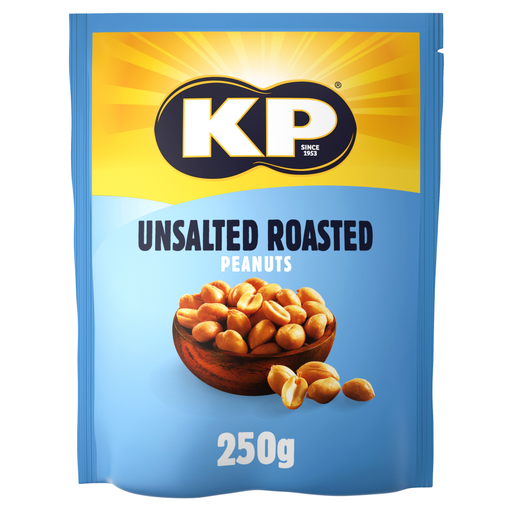 No image available
Consider these if you want an unsalted peanut snack. Check the current pack for protein, allergens and storage directions before choosing it for a household with a young child.
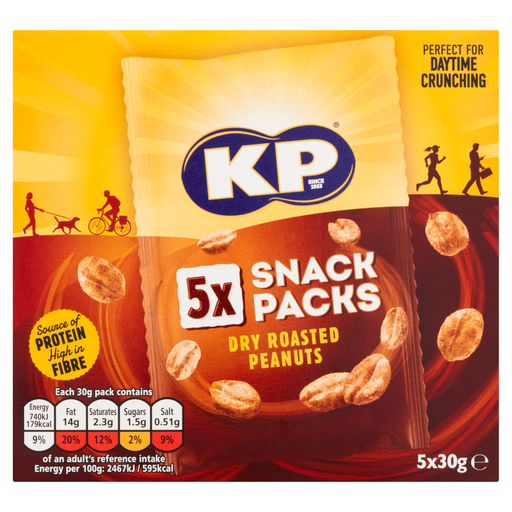 No image available
The product name describes five 30g packs, a format to consider if separate portions matter to you. Compare the current label’s salt and ingredients with plain-peanut options.
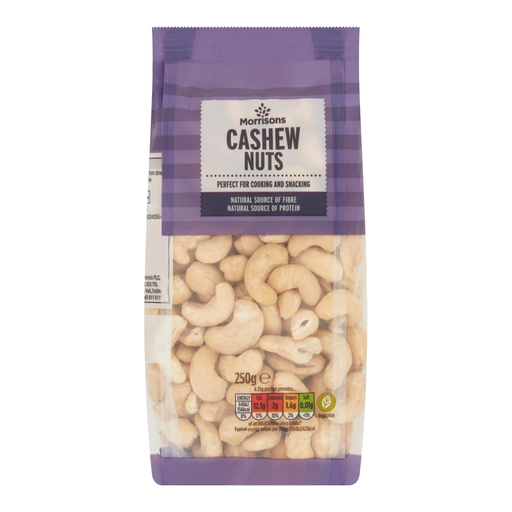 No image available
Choose the cashew option if you prefer cashews to peanuts, then compare protein and salt on the current pack. Keep whole nuts inaccessible to young children.
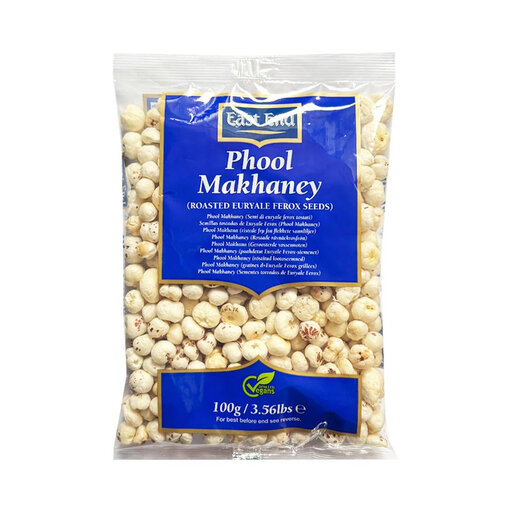 No image available
This is a seed-snack option rather than a conventional peanut pack. If protein is your main reason for shopping, compare its labelled amount per serving with the nut snacks.
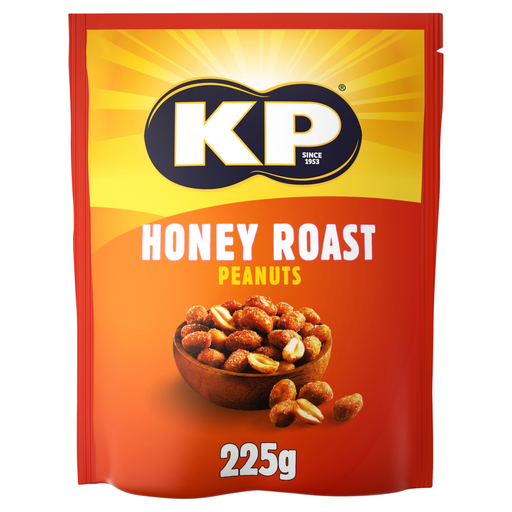 No image available
Consider these when honey-roast flavour matters more than choosing plain peanuts. Check the current pack’s ingredients, protein, sugar and salt if you are comparing snack labels.
No: also check protein in the pack or portion you expect to eat, plus salt, energy and ingredients. M&S Food, for example, lists 10g protein in a 30g pack of its Protein Packed Nut and Seed Mix; a per-100g figure alone would not tell you that portion amount.
Northern Ireland’s nidirect guidance says peanuts can be part of your diet while breastfeeding unless you are allergic or have been advised otherwise. It does not identify a special need to eat nuts for breastfeeding.
No. NHS guidance says that when a baby starts solid foods from around six months, nuts and peanuts should be crushed or ground, with foods that can trigger allergies introduced one at a time in very small amounts. Speak to a GP or health visitor before introducing them if your baby has circumstances that raise allergy concerns.
It warns that an allergen could be unintentionally present; it is not the same as listing that allergen as an ingredient. The Food Standards Agency describes this as precautionary allergen labelling. Read the current pack and follow any allergy advice given for the person who will eat it.
Follow the pack’s storage directions and keep it inaccessible to the child. Sainsbury's and Asda both warn on their peanut product information that small children can choke on nuts; a larger bag still needs secure storage between adult servings.