Office workers comparing protein figures
If you pack a snack with lunch, check both protein per 100g and protein in the pack or serving you intend to take. A front-of-pack description alone does not tell you the portion amount.


For an office packed lunch, compare protein in the portion you will carry: M&S lists 10g in its 30g nut-and-seed mix pack, while Tesco lists 6.3g in its 25g almond pack. A pre-portioned pack makes that amount clear; if you choose a larger bag, portion it before work and check the current salt and allergen information and any workplace rules.
If you pack a snack with lunch, check both protein per 100g and protein in the pack or serving you intend to take. A front-of-pack description alone does not tell you the portion amount.
A labelled 25g or 30g pack gives you a clear amount to carry. With a larger bag, portioning some into a separate container before work serves the same practical purpose.
Check the current allergen statement and any workplace rules before bringing peanuts or tree nuts into a shared space. A product may also carry precautionary allergen wording.
Start with the amount you will pack, then compare protein, salt and ingredients on the relevant labels.
| Priority | What to check | Your needs |
|---|---|---|
| Protein per portion | Compare the stated portion as well as the per-100g figure. M&S lists 10g protein in its 30g mix pack; Tesco lists 6.3g in a 25g almond pack. KP states 30g per 100g for Original Salted Peanuts. | I want to know how much protein is in the amount I actually bring to work, rather than comparing differently sized packs as though they were equal. |
| Pack size | Check whether the pack contains one portion or several. Tesco sells a 25g almond pack, M&S lists a 30g mix pack, and KP offers a 5 x 30g Original Salted Peanuts multipack. | A single pack is convenient for my lunch; if I buy a larger bag, I can portion it before leaving home. |
| Salt and ingredients | Read the salt figure on the same basis when comparing labels, then check the portion you plan to eat. KP states 1.3g salt per 100g for Original Salted Peanuts; the M&S option is a nut-and-seed mix, not nuts alone. | I might prefer plain nuts or a mix, but I want to know what is in the product and how much salt my chosen portion contains. |
| Allergens at work | Read the current allergen and precautionary statements, and check workplace rules. The Food Standards Agency distinguishes peanuts, which are legumes, from tree nuts. | Before packing a snack for a shared office, I need to know whether peanuts, tree nuts or other labelled allergens could be an issue there. |
A mix and a plain nut product can have different ingredients, even when both are sold as protein-focused snacks.
Read the ingredient list alongside the protein figure if the type of snack matters to you.
KP states 1.3g salt per 100g for Original Salted Peanuts. That per-100g figure is not the amount in every packed-lunch portion.
Compare salt on the same per-100g basis, then look at the amount you intend to pack.
Peanuts and tree nuts are distinct allergens, and precautionary statements can identify other potential allergens. Those distinctions matter when choosing food for a shared space.
Check the current pack label and any workplace rules before bringing the product to work.
A bag with several servings does not show at a glance how much protein or salt will be in the amount you take.
Choose an individual pack or portion some from the larger bag into a container before work.
These references concern the named products and pack formats, rather than every snack sold by each brand or retailer.
Protein Packed Nut and Seed Mix is sold as a 30g pack.
Original Salted Peanuts are offered in several formats, including a 5 x 30g multipack.
Tesco Almonds come in a 25g pack that can be put straight into a packed lunch.
Sainsbury's Pistachio Nuts come in a 100g pack with a stated 30g serving.
These options include portioned peanuts, larger peanut packs and a larger pistachio pack. Choose by the format you will carry, then check each product’s current nutrition and allergen label.
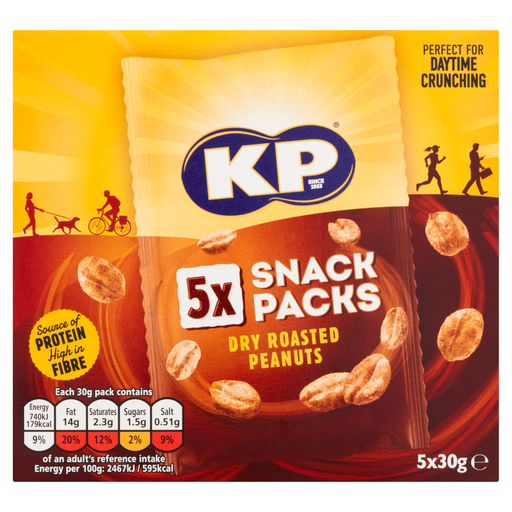 No image available
The five individual 30g packs give you a defined amount to put in an office lunch. Check the current salt and allergen information before packing them for a shared workplace.
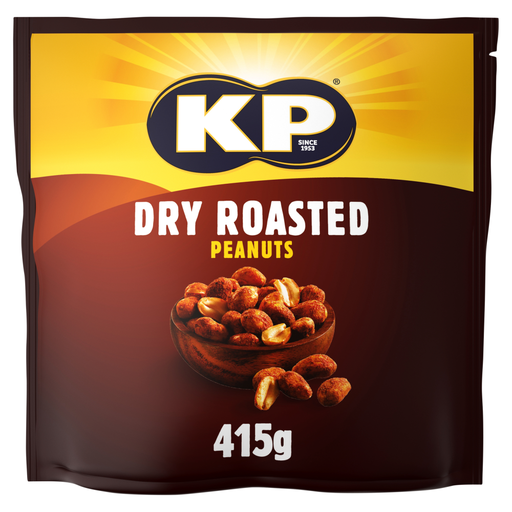 No image available
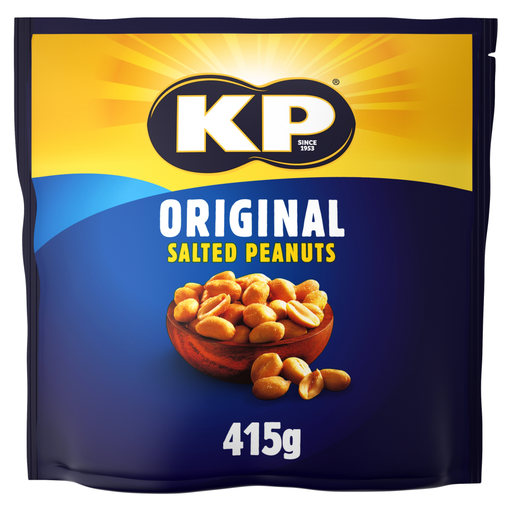
Portion some from the 415g bag before work if you want a defined amount in your lunch. Check the current salt, ingredients and allergen statements.
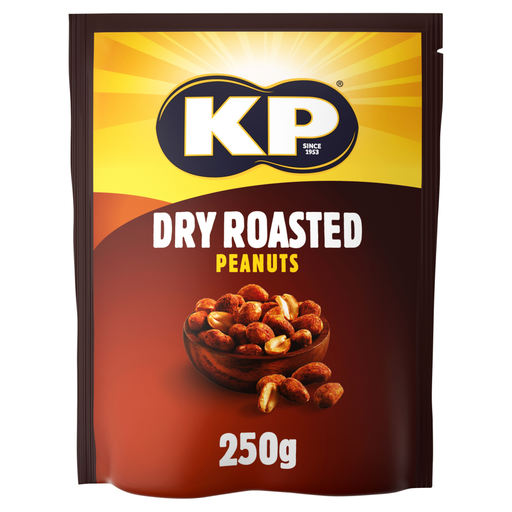 No image available
The 250g reclose pack is a larger format, so portion what you intend to take for lunch. Read the current salt and allergen information on the pack.
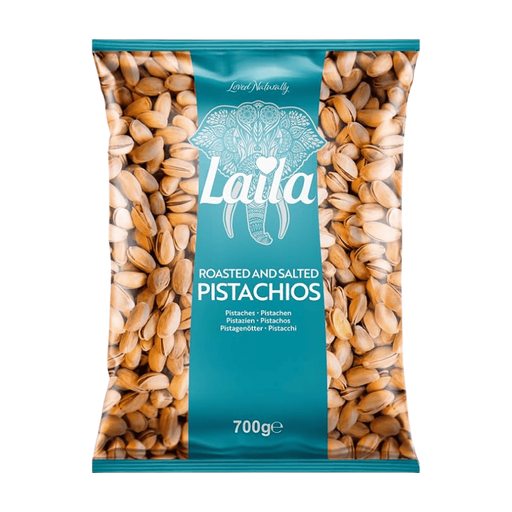 No image available
This salted pistachio option comes in a 700g bag; portion what you plan to carry rather than taking the whole bag as one lunch snack. Check the current nutrition and allergen label.
 No image available
The 415g bag needs portioning if you want a defined amount for work. KP’s Original Salted range is a peanut product; check this pack’s current protein, salt and allergen information when deciding what to take.
No. The Food Standards Agency distinguishes peanuts, which are legumes, from tree nuts. Check the product’s current allergen statement and any workplace rules before bringing either into a shared office.
Marks & Spencer states 10g protein in its 30g Protein Packed Nut and Seed Mix pack; Tesco states 6.3g in its 25g almond pack, and Sainsbury's states 7.4g per 30g serving of Pistachio Nuts. The portions are different sizes, and the M&S product is a mix rather than plain nuts, so check what you would actually pack.
An individual pack makes the amount you carry clear without measuring it that morning. Tesco offers 25g almonds, M&S lists a 30g mix pack, and KP offers a 5 x 30g Original Salted Peanuts multipack; a larger bag also works if you portion it before work.
No. Protein is one figure on the label: also check the amount you intend to eat, salt, ingredients and allergen statements. For example, KP states 1.3g salt per 100g for Original Salted Peanuts, while a nut-and-seed mix differs in composition from plain nuts.