What should you check first?
Screen the exact pack against the allergy plan, then decide whether its ingredients, size and storage instructions suit the household.
| Priority |
What to check |
Your needs |
| Named allergens |
Read every ingredient, including each nut in a mix. Match peanuts and named tree nuts against the individual avoidance plan; do not treat them as interchangeable. |
If someone in my household must avoid a particular nut or peanut, I need to exclude packs containing it before comparing sizes. |
| Precautionary wording |
Check the current pack for statements such as ‘may contain’ and for the specific allergens they name. The Food Standards Agency distinguishes possible unintended presence through cross-contamination from deliberately added ingredients. |
A short ingredient list alone is not enough for me: I also need to know whether the precautionary wording fits the person’s plan. |
| Pack format |
Compare a mixed-nut pack with a peanut pack by its actual ingredients, not just its weight. Check added salt, oil or flavourings where those distinctions matter. |
For a shared cupboard, I want to know exactly which product is being stored and who can eat it. |
| Usable quantity |
Read the after-opening and storage instructions on the chosen pack. Tesco says its 500g mixed nuts should be kept airtight and consumed within four weeks of opening; other products need their own label checked. |
I would rather choose a quantity we can store and use as directed than buy a larger bag that sits open too long. |
Brand and retailer references
These examples show why the exact product label matters; a brand name alone does not establish allergy suitability.
Tesco
Tesco lists a 500g mixed-nut pack for shoppers considering a larger assorted bag.
- Its listing names hazelnuts, almonds, cashew nuts and walnuts, and gives an after-opening instruction.
- It also says the product may contain peanuts and other nuts. Check the physical pack against the individual avoidance plan.
KP
KP lists Original Salted peanuts in several pack sizes, including 415g and 1kg.
- KP names peanuts, sunflower oil and salt as ingredients in Original Salted.
- KP says Original Salted may contain other nuts, milk, soya and gluten. Its shorter ingredient list does not replace checking that warning.
M&S
M&S lists both peanut products and a 750g Natural Nut Medley, with different ingredient and allergen information.
- The medley lists cashews, almonds, Brazil nuts, pecans and pistachios individually.
- M&S marks that medley as unsuitable for nut, peanut and sesame allergy sufferers. Check each M&S product separately rather than applying one pack’s wording to another.
Asda
Asda’s listing for KP Original Salted Peanuts Tin 375g provides product-specific allergy advice.
- The listing identifies peanuts as present and names potential allergens in its precautionary information.
- The 375g tin’s listing is not a substitute for reading the received pack, nor should its wording be assumed to cover a different size or variant.
Nut packs on Joybuy
These are peanut packs in different sizes and formats, including raw peanuts for cooking. Check each current pack against the individual allergy plan before deciding whether its size suits your household.
 No image available
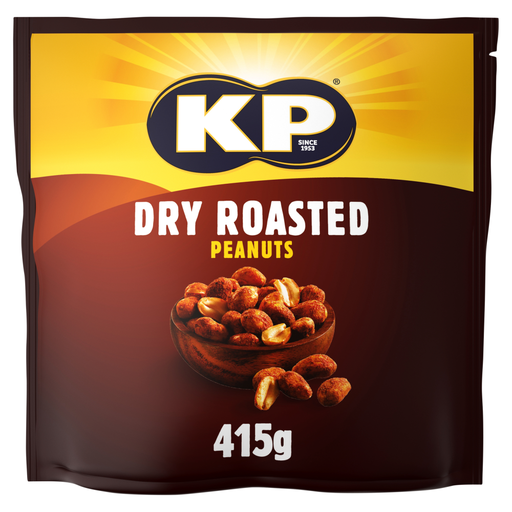
KP Snacks Dry Roasted Peanuts 415g
A 415g dry-roasted peanut pack for a household considering a larger snack quantity. It contains peanuts; check the received pack for its full ingredients, other allergen warnings and storage directions before use.
View on Joybuy
 No image available
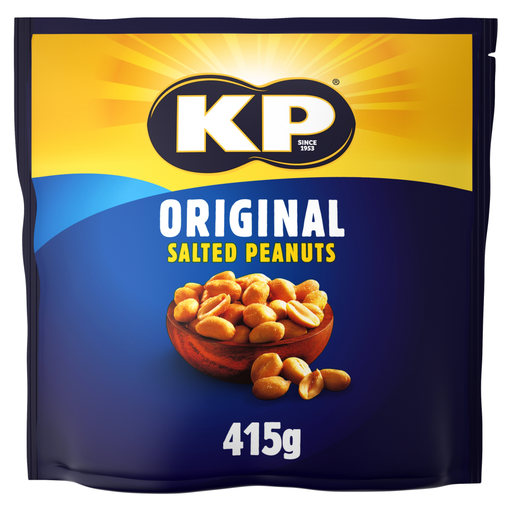
KP Snacks Original Salted Peanuts 415g
A 415g salted-peanut option rather than a mixed-nut bag. KP lists peanuts, sunflower oil and salt for Original Salted, alongside a ‘may contain’ warning for other nuts, milk, soya and gluten. Check the wording on this pack before use.
View on Joybuy
 No image available
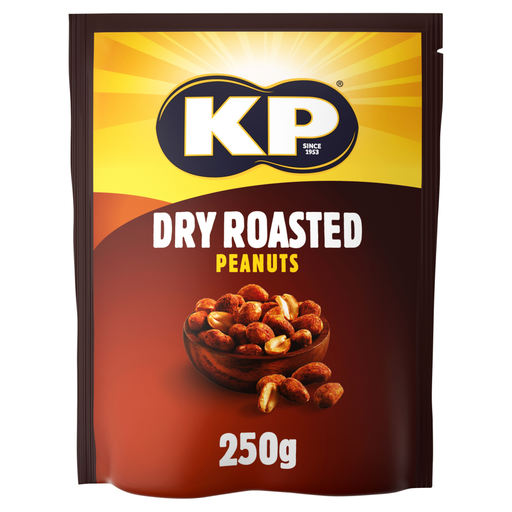
KP Dry Roasted Peanuts Reclose Pack 250g
A 250g reclose pack to consider if a smaller peanut quantity fits the household’s plans. It contains peanuts; check the current allergen wording and after-opening directions rather than relying on the closure alone.
View on Joybuy
 No image available
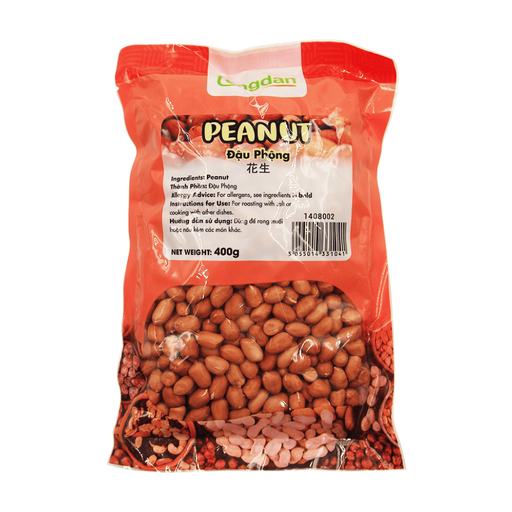
Longdan Peanut 400g
A 400g peanut pack for shoppers comparing quantities after allergy screening. Because it contains peanuts, it cannot suit a plan that excludes them; read the pack for any additional allergen and storage information.
View on Joybuy
 No image available
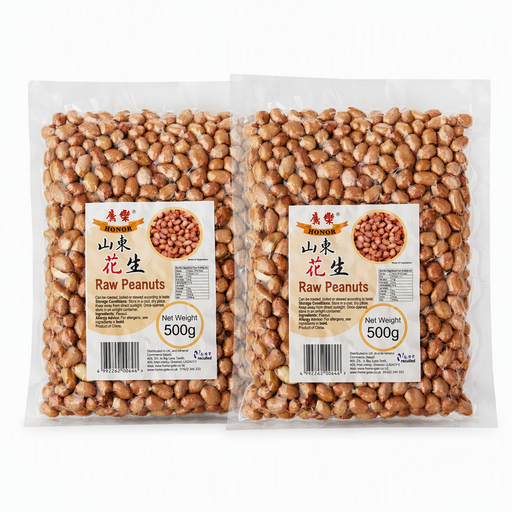
Honor Shandong Raw Peanuts 500g × 2
Two 500g packs of raw peanuts for cooking, not a ready-to-eat snack. Follow the pack’s preparation and storage directions, and check its allergen information before bringing it into a shared household.
View on Joybuy
Questions about nut packs and allergies
Can someone with a peanut or tree-nut allergy buy a nut value pack?
Only consider a pack if every relevant ingredient and precautionary statement fits that person’s individual avoidance plan; a mixed bag is not a safe default. Cambridge University Hospitals advises that permitted nuts depend on individual clinical guidance and that labels should be read at every purchase.
Is ‘may contain’ the same as listing an ingredient?
No. Ingredients identify what was deliberately added, while the Food Standards Agency explains that precautionary wording communicates possible unintended allergen presence through cross-contamination. Check the named allergen against the individual plan rather than ignoring the statement because it appears outside the ingredients list.
Should I reread the label if I have bought the same nuts before?
Yes. Cambridge University Hospitals advises reading labels every time because recipes can change. Check the physical pack received, including its ingredients and precautionary wording, even if an earlier pack or online listing looked suitable.
What must a UK prepacked-for-direct-sale food label show?
For prepacked-for-direct-sale food in the UK, the Food Standards Agency and Food Standards Scotland state that, since 1 October 2021, the label must show the food’s name and a full ingredients list with the 14 regulated allergens emphasised within it. Check the current label for the particular food you are buying.
How do I choose between pack sizes once the allergy checks are done?
Compare the net weight, actual ingredients and storage directions of packs that fit the individual avoidance plan. Consider how much the household will use after opening; a peanut pack and a mixed-tree-nut bag do not have the same ingredient profile simply because their weights are similar.


