A large bag of plain nuts can work for snacks around cycling, but do not assume it will cover the carbohydrate needed on a longer, hard ride. A 2015 sports-nutrition article indexed by PubMed advises 30–60 g of carbohydrate per hour for exercise lasting 1–2.5 hours; a fruit-and-nut mix contributes more carbohydrate than the plain-nut examples here, but its portion size, ingredients and storage instructions still matter.
Who is this for?
Riders planning longer, harder rides
If you are considering nuts as your main on-bike food, check the carbohydrate in the portion you would actually carry. A 2015 sports-nutrition article indexed by PubMed advises 30–60 g of carbohydrate per hour for exercise lasting 1–2.5 hours.
Cyclists stocking snacks at home
A larger bag or tin may suit snacks around training if you can use it within the pack’s instructions after opening. Compare the recipe, pack size and storage directions before choosing a bulk format.
Riders packing a portable snack
Smaller packs or sachets make it easier to take a measured amount than carrying a bulk bag. For a fruit-and-nut mix, check carbohydrate per portion as well as the ingredients and allergen declaration.
What to check before buying
Decide whether the pack is for home snacking or for carrying on a ride, then compare portions and labels within the type of mix you want.
| Priority | What to check | Your needs |
|---|
| Ride carbohydrate |
Compare carbohydrate per 100 g and per portion. Tesco Mixed Nuts list 8.4 g per 100 g; Asda lists 43.6 g per 100 g for Natco Luxury Fruit & Nut Mix. A 2015 article indexed by PubMed advises 30–60 g per hour for exercise lasting 1–2.5 hours. |
For a longer, hard ride, I need to know how much carbohydrate my whole food-and-drink plan provides, rather than treating a nut pack as the entire plan. |
| Pack format |
Check total weight, whether the contents are individually packed, and how much you would carry at once. |
A bulk tin could stay at home; if I want a snack in my pocket, I would rather pack a portion or choose sachets. |
| Storage after opening |
Read the current pack’s instructions. Marks & Spencer says to reseal its 750 g Natural Nut Medley and eat it within one week of opening. |
Will I use a large pack within its stated period after opening, or would a smaller format fit my routine? |
| Recipe and labelling |
Compare ingredients and nutrition per 100 g across similar recipes. The NHS explains that food labels can help shoppers compare fat, salt and added sugars. |
I may want plain nuts, seasoned peanuts or dried fruit alongside nuts; those are different snacks, even when the pack weights look similar. |
| Allergens |
Check the ingredients and precautionary statements on the pack you buy. Leeds Teaching Hospitals NHS Trust explains that allergens in an ingredients list must be emphasised. |
If I am buying for someone with a food allergy, I need the current pack’s declaration rather than relying on its name. |
Mistakes to avoid
-
Using any nut pack as the whole long-ride fuel plan
Carbohydrate varies substantially by recipe: Tesco Mixed Nuts list 8.4 g per 100 g, while Asda lists 43.6 g per 100 g for Natco Luxury Fruit & Nut Mix. Neither figure tells you what a planned portion contributes to the rest of your ride food and drink.
Check carbohydrate per portion and plan other food or drink if you are riding under conditions where a higher carbohydrate intake applies.
-
Comparing unit prices without comparing recipes
A plain-nut bag and a fruit-and-nut mix contain different ingredients, so their price per kilogram does not answer the same buying question.
Compare unit prices among packs with similar ingredients and seasoning, then check the nutrition label for the portion you expect to eat.
-
Choosing the largest bag without a storage plan
Marks & Spencer instructs shoppers to reseal its 750 g Natural Nut Medley and eat it within one week of opening. A larger pack is less practical if that period does not fit your use.
Read the current pack’s storage directions before deciding whether its size suits your household.
-
Assuming similar-looking mixes have the same ingredients
Plain nuts, seasoned peanuts and fruit-and-nut mixes call for different ingredient and allergen checks, particularly when buying for someone else.
Read the declaration on each current pack, including any precautionary statements, rather than relying on a previous purchase.
Brand and product references
KP
KP Original Salted Peanuts provide a peanut-snack example with several pack formats.
- KP lists sizes from 50 g to 1 kg, plus a 5 × 30 g multipack.
- Check the nutrition and ingredients on the format you choose; a salted-peanut pack should not be assumed to cover a long ride’s carbohydrate plan.
Tesco
Tesco Mixed Nuts 500g provide a plain mixed-nut example for comparing home snack packs.
- Tesco lists 22.2 g protein and 0.02 g salt per 100 g for this product.
- It lists 8.4 g carbohydrate per 100 g; check the amount in your portion if considering it for a ride.
Natco
Natco Luxury Fruit & Nut Mix 750g is a fruit-and-nut example listed by Asda.
- Asda lists 43.6 g carbohydrate per 100 g for this mix, compared with 8.4 g per 100 g for Tesco Mixed Nuts.
- Asda also lists 31.5 g sugars per 100 g. Check the portion and ingredients rather than treating it as interchangeable with plain nuts.
M&S
M&S Natural Nut Medley 750g is a larger mixed-nut example for home use.
- The 750 g format allows shoppers to assess a larger pack against their usual snack portions.
- Marks & Spencer instructs shoppers to reseal it and eat it within one week of opening.
Joybuy nut packs for cycling snacks
These options include bulk nuts, flavoured peanuts and portioned nut or fruit-and-nut mixes. Choose between them by where you will eat the snack, then check the current pack’s nutrition, ingredients and storage directions for your intended portion.
 No image available
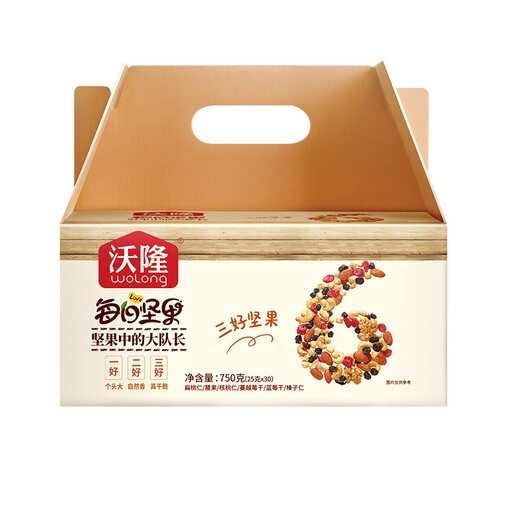
Wolong Daily Nuts Series A, Adult Version, 750 g
This 750 g pack is an option for stocking snacks at home. Check its ingredients, portion information and storage directions if you intend to take some on a ride.
View on Joybuy
 No image available
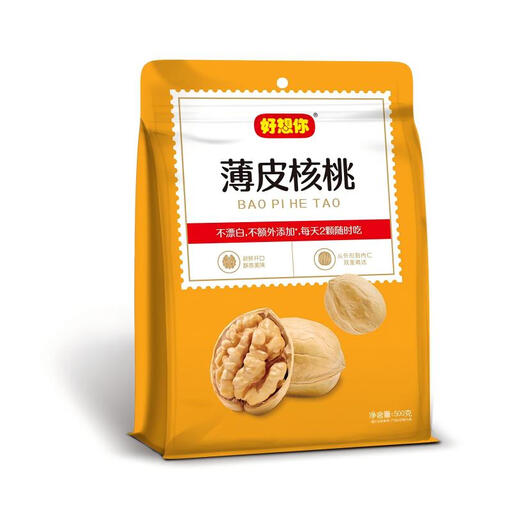
Haoxiangni Thin-shelled Walnuts, 500 g, eight packs
The eight-pack format offers smaller packs to take from a 500 g purchase. Check the carbohydrate per pack and storage instructions before using them as ride snacks.
View on Joybuy
 No image available
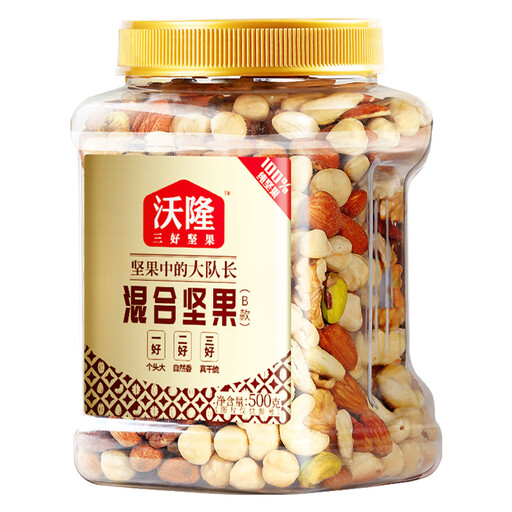
Wo Long Assorted Pure Nuts, 500 g tin
The 500 g tin suits keeping nuts at home and packing your own portions. Read the current nutrition label if you need to account for carbohydrate during a ride.
View on Joybuy
 No image available
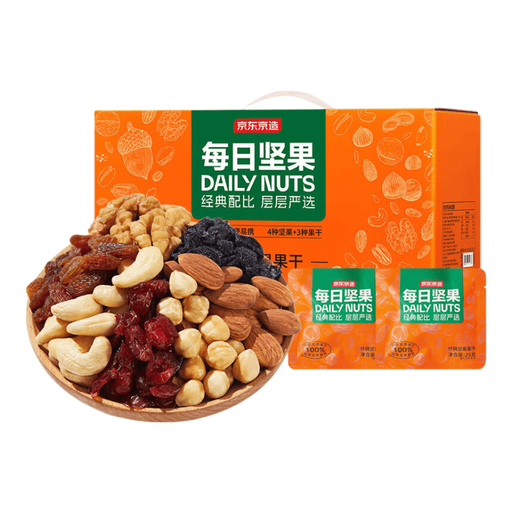
J.ZAO Classic Daily-Nut Mix, 750 g, 30 sachets
The nut-and-dried-fruit mix comes in 30 sachets, a format to consider when packing individual snacks. Check carbohydrate per sachet, ingredients and allergens against your ride plan.
View on Joybuy
 No image available
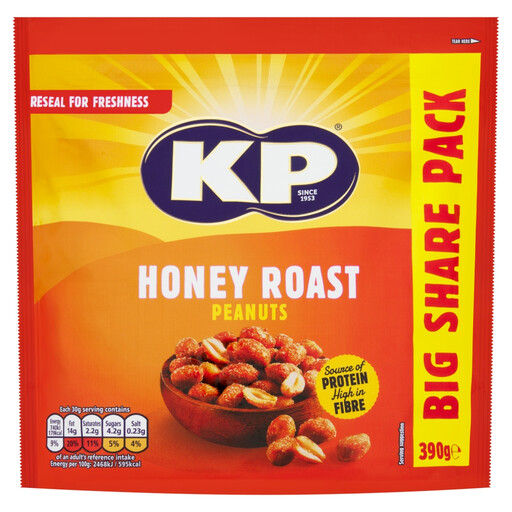
KP Snacks Honey Roast Peanuts, 390 g
This 390 g pack is a flavoured-peanut option for snacking. Check its ingredients and nutrition label rather than assuming it has the same composition as plain or salted peanuts.
View on Joybuy
Common questions
Can nuts be my main fuel for a long, hard ride?
Do not rely on a nut pack alone without checking its carbohydrate per portion against your whole ride plan. A 2015 sports-nutrition article indexed by PubMed advises 30–60 g of carbohydrate per hour for exercise lasting 1–2.5 hours; Tesco Mixed Nuts list 8.4 g per 100 g, so a portion contributes much less than that amount.
When might a fruit-and-nut mix suit a ride?
Consider one when you want dried fruit alongside nuts and can account for the carbohydrate in the portion you carry. Asda lists 43.6 g carbohydrate per 100 g for Natco Luxury Fruit & Nut Mix, compared with Tesco’s 8.4 g per 100 g for Mixed Nuts; check the actual portion and any other ride food rather than assuming the mix covers the whole ride.
How do I judge whether a large bag is practical value?
Compare unit prices among similar recipes, then check whether you can use the pack within its storage instructions after opening. Marks & Spencer says to reseal its 750 g Natural Nut Medley and eat it within one week of opening, making your expected rate of use part of the pack-size decision.
What should I check when buying nuts for someone with an allergy?
Read the ingredients and any precautionary allergen statements on the current pack, not just the product name. Leeds Teaching Hospitals NHS Trust explains that allergens in an ingredients list must be emphasised, which helps you identify them on the specific product you are buying.


