Regular nut snack buyers
If you use nuts for snacks or meals, a larger pack is worth considering when you can portion and store it as directed. Diabetes UK advises paying attention to portion size rather than relying on a ‘diabetic’ label.


A larger nut pack makes sense if you can portion and store it according to its instructions; a product labelled ‘diabetic’ is not automatically a better choice, as Diabetes UK cautions. Choose the nut type you want, then check the exact pack’s carbohydrate, salt, ingredients and allergen information against your own requirements.
If you use nuts for snacks or meals, a larger pack is worth considering when you can portion and store it as directed. Diabetes UK advises paying attention to portion size rather than relying on a ‘diabetic’ label.
A 500g almond pack gives you a consistent nut type to compare. Check the exact ingredients, nutrition information and storage instructions before choosing a quantity.
If you need to avoid peanuts or particular tree nuts, read the ingredients and precautionary allergen statement on the exact pack. Plain products can carry ‘may contain’ warnings for other allergens.
Start with the nut type and ingredients, then use the pack label to assess portions, nutrition, allergens and storage.
| Priority | What to check | Your needs |
|---|---|---|
| Product description | Read the ingredients rather than relying on a ‘diabetic’ claim. Check whether a plain, seasoned or coated product matches what you intended to buy. | I want to know what is in the pack without assuming a diabetes-related label gives it a special benefit. Diabetes UK advises against that assumption. |
| Carbohydrate and salt | Check both figures on the exact nutrition label and note the stated serving size before comparing packs. | Carbohydrate and salt matter to my own eating plan, so I need figures for the amount I expect to serve. |
| Pack size and storage | Check the quantity and the instructions for storage and use after opening. Consider how you will divide a larger pack into portions. | A larger bag suits me only if I can use it and store it as the pack directs. |
| Allergens | Identify the nuts or peanuts in the ingredients and read any ‘may contain’ statement on the exact pack. | I need to check both the named ingredients and possible cross-contact allergens, even when the nuts appear plain. |
Plain and seasoned nuts need not have the same ingredients or salt content. For example, Marks & Spencer lists salt as an ingredient in its roasted and salted mixed nuts.
Read the ingredient list and nutrition panel for the particular pack you are considering.
They are different allergens, and a plain product can also carry a precautionary statement about other ingredients.
Check the exact pack’s ingredients, allergen declaration and ‘may contain’ wording before buying for someone with an allergy.
Storage and after-opening instructions differ between products, so pack size alone does not tell you whether the quantity is practical.
Check those instructions before choosing a larger format, and plan how you will portion and store it.
These examples show different nut types and pack formats; check the individual product label rather than treating a brand name as a nutrition or allergen specification.
Tesco lists a 500g mixed-nut pack containing almonds, hazelnuts, cashews and walnuts, alongside 500g plain-almond products.
KP Unsalted Peanuts offer a 250g peanut option rather than a 500g tree-nut pack.
The M&S natural-nuts range includes 750g almond, cashew and nut-medley formats.
Asda’s checked Natco Almonds listing is a 500g plain-almond example.
Sainsbury’s lists KP Unsalted Peanuts in a 250g pack.
Planters describes an unsalted dry-roasted peanut product on its US website.
These Joybuy options cover a 500g almond pack, a 500g assorted-nut tin and a 500g walnut pack. Compare each exact product’s label for your requirements.
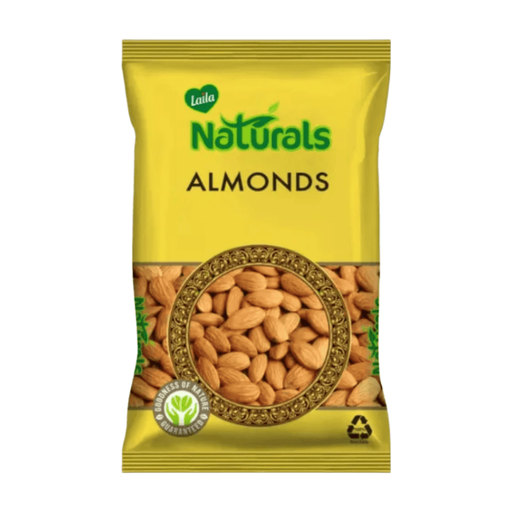 No image available
This 500g almond pack is an option if you want one nut type to portion at home. Check the exact pack’s nutrition, allergen and storage information before choosing it.
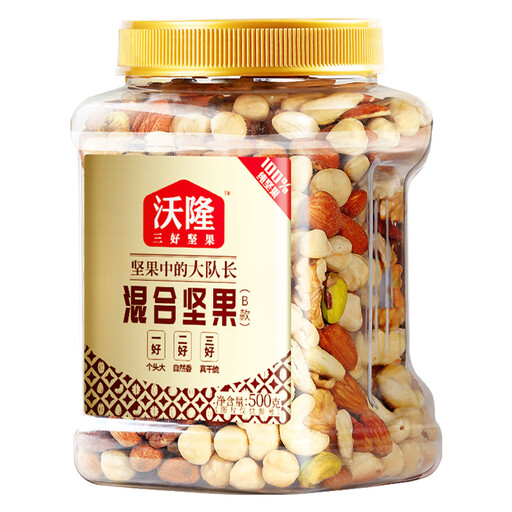 No image available
This 500g tin is an option if you want assorted nuts rather than a single-nut pack. Read its ingredient and allergen statements to identify every nut in the mix.
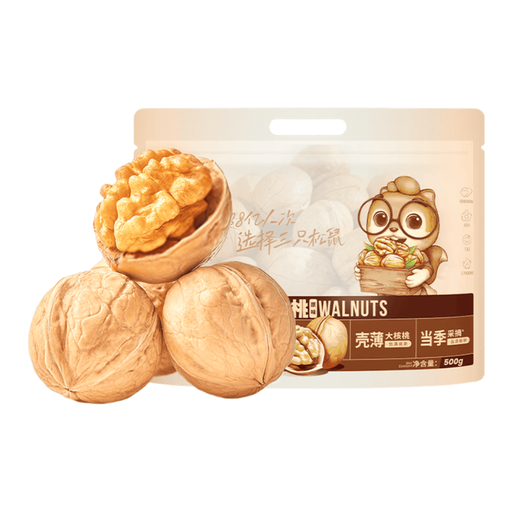 No image available
This 500g walnut pack is an option if you prefer walnuts to almonds or a mixed pack. Check its nutrition label and after-opening storage instructions for the quantity you intend to use.
No. Diabetes UK says foods labelled ‘diabetic’ have no demonstrated special benefit over eating well. Check the ingredients, nutrition label and portion you plan to serve instead of relying on that wording.
Read the ingredients, serving size, carbohydrate and salt figures, allergen statements and storage instructions on the exact pack. These details can differ between nut types and products.
Kent Community Health NHS Foundation Trust describes a small handful of nuts as 30g in its snack guidance. For the pack you choose, use its stated serving size when interpreting the nutrition panel.
Yes. Checked plain-nut listings include precautionary statements about other allergens. Read both the ingredients and any ‘may contain’ wording on the exact pack, particularly if you need to avoid peanuts or specific tree nuts.
Follow that pack’s storage and after-opening instructions. Products can specify different handling, so check those directions before deciding whether a larger quantity suits how often you use nuts.