Shoppers planning measured snacks
A larger bag is worth considering if you can set out portions rather than repeatedly eat from the open pack. Check the fat and energy for the amount you will actually serve.


A large pack of nuts makes sense on a low-fat diet only if measured portions fit your eating plan and you can use the pack as intended. Pack size and plain ingredients do not make nuts low in fat: Tesco lists 14.5g fat per 25g of its Mixed Nuts, while Sainsbury's lists 9.9g per 20g of its 100% Smooth Peanut Butter. Choose whole nuts when visible portions help you measure them, or a large peanut-butter jar when you specifically need a spread or recipe ingredient and will measure each spoonful.
The useful pack size depends on how you plan to serve the nuts, not just how much the pack contains.
A larger bag is worth considering if you can set out portions rather than repeatedly eat from the open pack. Check the fat and energy for the amount you will actually serve.
A large bag or jar may suit breakfasts, salads, baking or cooking when you can measure each addition and follow the pack's storage instructions.
If you want to avoid salt, sweeteners or flavour coatings, compare ingredient lists before choosing a mix. Plain nuts still need a separate fat-per-portion check.
Start with the portion you expect to eat, then check whether the pack size, ingredients and storage instructions work for that plan.
| Priority | What to check | Your needs |
|---|---|---|
| Fat and energy | Read both figures for the labelled serving and compare that weight with your intended portion. Tesco lists 14.5g fat and 165kcal per 25g of Mixed Nuts; the NHS notes that fat supplies 9kcal per gram. | I want to know what my usual serving adds to my planned intake, rather than rely on a plain or no-added-sugar label. |
| Pack size and storage | Check the pack weight, planned number of portions and instructions after opening. Tesco says to keep its Mixed Nuts in an airtight container after opening and consume them within four weeks. | A large pack works for me only if the household can portion and use it within the stated period. |
| Product form | Decide whether you need whole nuts for visible handfuls or peanut butter for spooned servings. Sainsbury's lists 9.9g fat per 20g serving of its 100% Smooth Peanut Butter. | If I need a spread or recipe ingredient, I can measure a spoonful; if I find that difficult, a smaller bag of whole nuts may be easier to portion. |
| Ingredients | Read the ingredient list for added salt, sugar, oils and coatings. Check fat separately: Tesco lists both plain nuts and smaller plain almond packs with substantial fat per labelled serving. | I prefer a straightforward ingredient list, but I do not want to mistake plain or unsweetened for low fat. |
| Allergens | Check the current pack for the exact nuts present and any 'may contain' warning. The Food Standards Agency distinguishes peanuts from tree nuts; Tesco's Almonds listing also warns of possible sesame, peanut and other-nut cross-contact. | Before sharing a bulk pack, I need to check its ingredients and warnings against the allergies in my household. |
A large open bag is less useful if you eat more than planned or cannot finish it within the product's storage period.
Work out how many measured portions you expect to use, and consider a smaller pack if that better matches your routine.
Those descriptions concern ingredients, not total fat. Sainsbury's lists 49.6g fat per 100g of its 100% Smooth Peanut Butter; Tesco lists 44g per 100g of Whole Earth Smooth Peanut Butter, which is labelled no added sugar.
Compare fat and energy for the serving you will measure, as well as per 100g.
M&S lists natural nut products alongside flavoured and chocolate-coated choices. An appealing pack size does not tell you whether a mix matches your ingredient preferences.
Check the specific pack for salt, sweeteners and coatings, then assess its fat per portion separately.
Peanuts and tree nuts are distinct allergens, as the Food Standards Agency explains. Product warnings may also identify possible cross-contact with sesame or other nuts.
Read the current physical pack's ingredients and allergy statement, including when changing pack size or variety.
These named products illustrate different pack formats and label checks; a brand name alone does not establish whether a product fits your portions.
Tesco's listed Mixed Nuts 500g and Almonds 200g provide whole-nut examples with different pack and serving sizes.
Its 1kg 100% Smooth Peanut Butter is a large spread or recipe-ingredient format rather than a bag of whole nuts.
Its nuts and seeds range lists several 750g formats, including Natural Almonds, Natural Cashews and Natural Nut Medley.
Tesco lists its Smooth Peanut Butter in a 1kg jar labelled no added sugar.
Sainsbury's lists its Crunchy Peanut Butter 1kg as made with 100% roasted peanuts.
These 1kg peanut-butter jars are options for shoppers who want a spread or recipe ingredient and plan to measure each serving. Compare their current labels, storage directions and unit prices before deciding whether a large jar suits your low-fat eating plan.
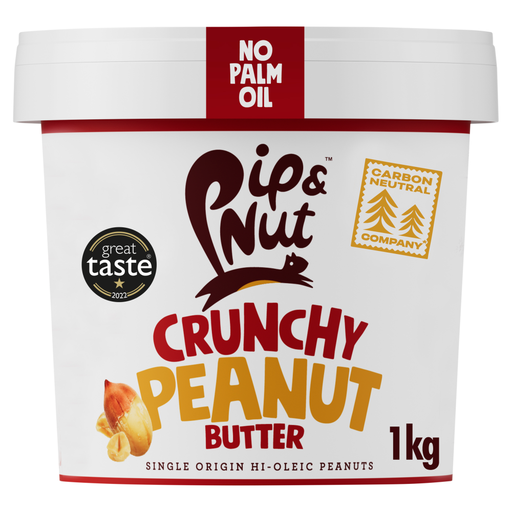 No image available
A 1kg crunchy peanut butter for measured spoonfuls in recipes or as a spread. Check the current label's fat per serving and after-opening storage directions before choosing this size; peanut butter should not be treated as low fat.
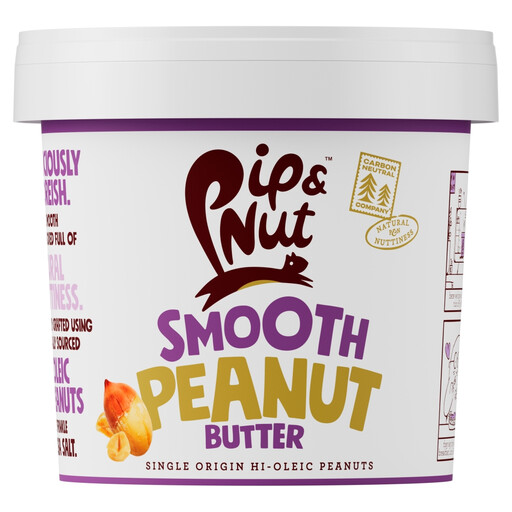 No image available
This 1kg smooth peanut butter is a spread format for measured servings. Compare the fat and energy on its current label with the spoonful you intend to use, and check whether you can finish the jar within its stated storage period.
 No image available
A 1kg smooth peanut butter to consider when you need measured amounts for spreading or cooking. Read the current pack's fat-per-serving figure, allergen statement and storage instructions; a large jar is not a low-fat choice simply because it contains peanuts.
They may fit if a measured serving stays within your planned intake; do not assume they are low in fat. Tesco lists 14.5g fat per 25g of its Mixed Nuts, and the NHS notes that all types of fat are high in energy. Check your intended portion before committing to a large pack.
Use the amount that fits your own eating plan and compare it with the product's labelled serving. HEART UK describes a small handful of unsalted, unsweetened nuts as about 28–30g; that is a reference for measuring, not evidence that the portion is low in fat.
No. Tesco lists 44g fat per 100g of Whole Earth Smooth Peanut Butter, which is labelled no added sugar; Sainsbury's lists 49.6g per 100g of its 100% Smooth Peanut Butter. Check the fat figure against the spoonful you will use.
Follow the instructions for the specific product. Tesco says to keep its Mixed Nuts in a cool, dry place, transfer them to an airtight container after opening and consume them within four weeks. Check that the pack size suits how quickly your household will use it.
Yes. The Food Standards Agency distinguishes peanuts from tree nuts such as almonds and cashews. Read the current pack's ingredients and 'may contain' statement for every relevant allergen, including possible sesame or other-nut cross-contact.